

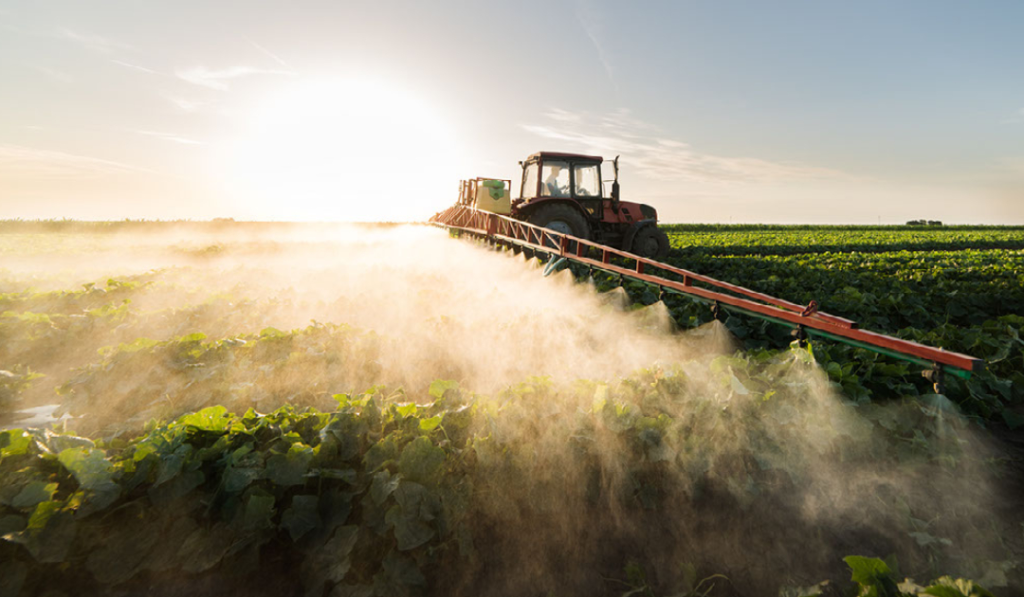
As Ethiopia approaches its new year on September 11, the government has announced what could be one of the most consequential industrial deals in its recent history: a $2.5 billion fertilizer plant in eastern Ethiopia. The project, developed in partnership with Nigeria’s Dangote Group, is being hailed as a potential game-changer for food sovereignty and economic resilience.
The planned facility in Gode will have the capacity to produce up to three million metric tons of urea annually. For a country that currently spends over $1 billion a year on fertilizer imports, the deal promises not only savings but also greater control over a sector critical to its survival.
Fertilizer and the Struggle for Food Security
Fertilizer has long been a pressure point for Ethiopia’s farmers. With over 70% of the population engaged in agriculture, the sector remains the backbone of the economy, from coffee generating $2.6 billion in export earnings last fiscal year to wheat, which is central to Ethiopia’s food security strategy.
But reliance on imports has left Ethiopia vulnerable. The global fertilizer shock triggered by the Russia–Ukraine war pushed prices to record highs, leaving many farmers unable to sustain yields. Shortages and rising costs undercut food security just as the country was battling inflation and political unrest.
Local production could cushion these shocks. By ensuring a stable supply of fertilizer, the new plant could raise productivity, boost export revenues, and provide a measure of insurance against global volatility.
Why Dangote, Why Now?
The choice of Dangote Group is not accidental. Africa’s largest cement producer, owned by billionaire Aliko Dangote, already has major investments across the continent, including in Ethiopia. The fertilizer complex will tap into nearby natural gas fields, making it one of the most ambitious industrial projects in East Africa.
If successful, Ethiopia could not only slash import costs but also emerge as a regional supplier, exporting fertilizer to food-insecure neighbors. That would place Ethiopia at the heart of Africa’s battle for agricultural resilience.
Yet history counsels caution. Ethiopia has seen ambitious projects stall before, often due to power shortages, financing gaps, or political instability. Delivering on this promise will require not only technical execution but also a stable political environment something Ethiopia has struggled to maintain.
A Broader Economic Strategy
The fertilizer plant is not an isolated project. It fits into a broader national push for self-reliance. Ethiopia’s Grand Renaissance Dam (GERD) is nearing full capacity, exports recently surpassed $7 billion, and new gold production from Benishangul-Gumuz is expected next year. Ethiopian Airlines continues to expand as a continental hub, while Addis Ababa deepens its participation in the African Continental Free Trade Area (AfCFTA).
In this context, fertilizer is not just another commodity it is a cornerstone of Ethiopia’s long-term economic strategy. Reliable access to agricultural inputs strengthens food security, underpins export growth, and supports government initiatives like the Green Legacy program.
The Shadow of Instability
Still, the promise of industrial transformation comes with a stark reminder. Conflict has already drained Ethiopia of an estimated $30 billion over the past five years, with projections suggesting losses could exceed $125 billion by 2030. That is a generation’s worth of development erased.
Current tensions with Eritrea, disputes with Somalia, pressure from Egypt over the Nile, and global rivalries in the Horn of Africa all cast a shadow over economic ambitions. Without stability, even the most ambitious projects risk becoming stranded assets.
Outlook
Ethiopia’s fertilizer deal with Dangote is about more than urea production. It represents an attempt to rewrite the country’s development trajectory: from dependence to resilience, from vulnerability to control.
The vision is clear energy from GERD, fertilizer from Gode, gold from Benishangul, and expanded trade under AfCFTA. But the outcome hinges on a single variable: peace. Without it, Ethiopia’s industrial dreams may remain just that dreams.