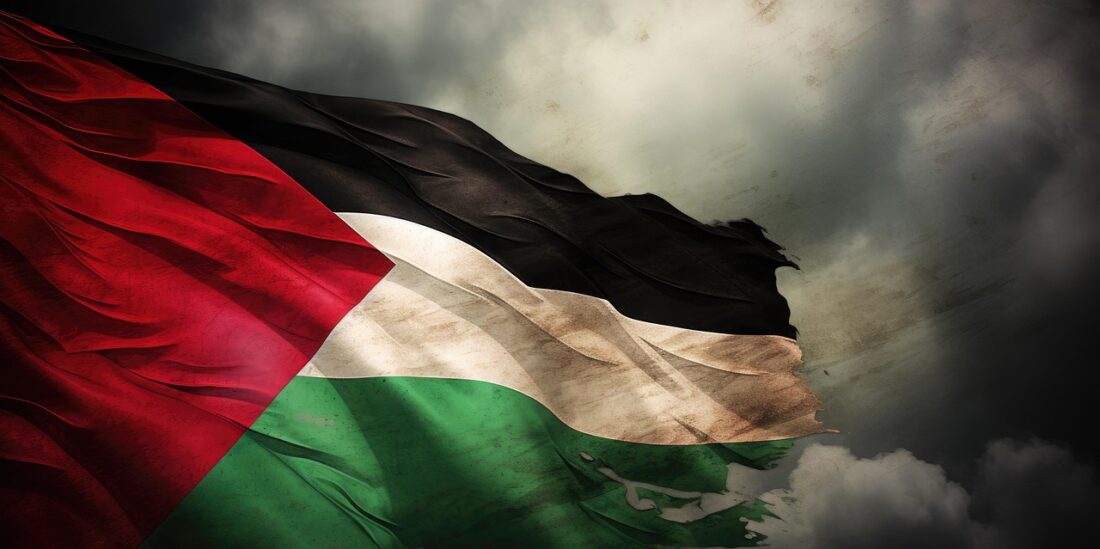
When French President Emmanuel Macron stood before the United Nations General Assembly in New York and declared, “Now is the time for peace. The endless destructive war must be stopped,” he wasn’t just speaking about Gaza. He was making history. France, a permanent member of the UN Security Council, officially recognized the state of Palestine.
It was a move that instantly raised hopes among Palestinians and sent ripples of concern through Israel and Washington. But the question remains: will recognition change anything on the ground, or is it just another diplomatic gesture in a conflict that has seen too many broken promises?
A Humanitarian Crisis Driving Politics
The backdrop to France’s decision is the catastrophe unfolding in Gaza. Since Israel’s offensive began, more than 65,000 Palestinians have been killed, according to local reports. Entire neighborhoods have been reduced to rubble. Millions face hunger, with aid deliveries blocked and infrastructure shattered.
UN Secretary-General António Guterres called the situation “morally, legally and politically unacceptable.” Macron echoed that urgency: peace, he said, must take precedence over raw power.
For many observers, the scale of Gaza’s suffering explains why recognition of Palestine is once again at the forefront of global diplomacy. Symbolism aside, it is being framed as a moral test for the international community.
Who Recognizes Palestine?
Recognition isn’t new. Over 140 countries from Africa, Asia, and Latin America have long recognized Palestine as a sovereign state. But what makes France’s move significant is who is now joining the list.
France is a core EU power, historically close to Israel but also tied to the Arab world. Its recognition breaks with decades of European caution, where leaders insisted that recognition should only follow negotiations.
Other European nations are preparing to follow. Belgium, Luxembourg, Malta, Andorra, and San Marino are expected to recognize Palestine soon. Even the UK, Canada, and Australia—traditionally staunch allies of Israel—have formally recognized Palestine.
This marks a shift: recognition is no longer a fringe position or a Global South initiative. It’s becoming part of mainstream Western diplomacy.
Why Now?
The answer lies in politics, morality, and public pressure.
1 Humanitarian urgency: The devastation in Gaza has made waiting for peace talks seem not just unrealistic, but complicit. Recognition is being reframed as an act of solidarity with a people facing annihilation.
2 Political recalibration: By recognizing Palestine, France and others send a message to Israel: settlement expansion, perpetual war, and humanitarian blockades are no longer tolerated as “business as usual.”
3 Global South alignment: Recognition brings Europe closer to the majority of the world, particularly Africa, Asia, and the Middle East, where Palestine’s statehood is already acknowledged.
Israel’s Response
Unsurprisingly, Israel has condemned the move. Officials in Tel Aviv argue that recognizing Palestine rewards Hamas and emboldens militants. They warn it undermines Israel’s security and takes away incentives for Palestinians to negotiate directly.
For Israel, recognition also risks greater diplomatic isolation. Already facing criticism over its conduct in Gaza, a growing list of Western countries recognizing Palestine chips away at its strongest diplomatic shield: unwavering Western unity.
Palestinians Divided but Hopeful
Palestinian leadership is divided but broadly supportive. President Mahmoud Abbas, prevented by the U.S. from attending the UN in person, gave a video address. He condemned Hamas’ attacks but also called for a ceasefire and a unified Palestinian state. He urged Hamas to hand over its weapons and allow the Palestinian Authority to govern Gaza.
“Our future and yours must be filled with peace,” Abbas said, addressing Israelis directly. “Let war and destruction end.”
For ordinary Palestinians, recognition offers little immediate relief from the bombs, but it does provide a rare sign of international validation. It suggests that the world is not only watching—but beginning to act.
Regional and Global Implications
France’s recognition is part of a broader realignment.
Arab world: Saudi Arabia’s foreign minister reiterated that a two-state solution is the only path to lasting peace. Qatar backed the recognition. Arab states are closing ranks on Palestine, using international forums to demand accountability.
Europe: Recognition exposes divisions within the EU. Germany and Italy, among others, refused to join talks hosted by France and Saudi Arabia, siding more closely with the U.S. line.
United States: Washington continues to reject unilateral recognition, maintaining that Palestine’s statehood should come through negotiations. But with allies like France moving forward, America risks being increasingly isolated on this issue.
Global South: Many African and Asian countries have long recognized Palestine. For them, France’s move validates their own stance and adds weight to demands for a rebalanced global order.
Symbol or Substance?
Critics argue that recognition without enforcement is hollow. It doesn’t stop airstrikes, unblock aid, or dismantle settlements. In fact, recognition could even harden positions if Israel doubles down in defiance.
But supporters say recognition changes the terms of the debate. It grants Palestinians legitimacy in international law, strengthens their voice at the UN, and pressures Israel to negotiate as an equal rather than as an occupier facing a “territory.”
Most importantly, it shifts the moral narrative. Recognition signals that the world is no longer content with endless promises of peace talks while people die by the tens of thousands.
A Turning Point?
France’s move may not end the war, but it may mark the beginning of a diplomatic tipping point. Recognition is spreading beyond traditional allies, carried by the urgency of Gaza’s suffering and the failure of past negotiations.
The stakes are high: either recognition gathers momentum and pushes Israel and the U.S. toward a new political reality or it fizzles out, becoming just another symbolic gesture in a region already scarred by broken promises.
For Palestinians, recognition is more than politics. It’s about survival, dignity, and the hope that one day, the words “State of Palestine” will mean more than just a name on paper.