Eritrea’s regional influence rests on a paradox. A small state with limited economic resources has repeatedly sought leverage beyond its borders by cultivating armed partners, exploiting rivalries, and turning insecurity into bargaining power. As tensions with Ethiopia rise and Sudan’s war reshapes the region, that approach carries renewed risks.
Eritrea’s foreign policy cannot be understood through its coastline or military alone. It is shaped by the ruling system’s suspicion of external pressure and its tendency to treat neighbouring conflicts as instruments of security. This can create short-term leverage. Over time, however, it destabilises the region and leaves Eritrea surrounded by threats it has helped sustain. The question is whether this method still protects Eritrea, or increasingly exposes it to retaliation, diplomatic isolation, and a wider conflict it cannot control alone.
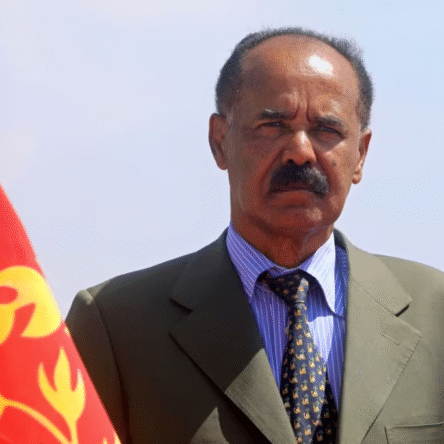
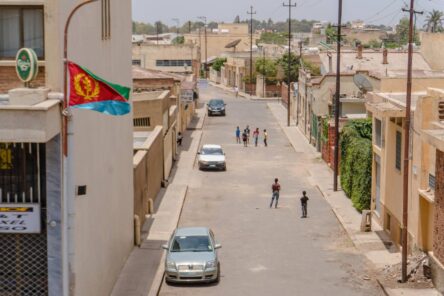
Since its secession in 1993, Eritrea has remained highly militarised and politically closed, without national elections. Indefinite national service and a sense of encirclement have become central features of the state. The government presents these arrangements as necessary for survival, but they also constrain political and economic development.
In such a system, external danger serves a domestic purpose. It justifies mobilisation, reinforces the leadership’s control, and makes political opening appear risky. Regional instability can become more than a problem to manage. It can help preserve the security model on which the government depends.
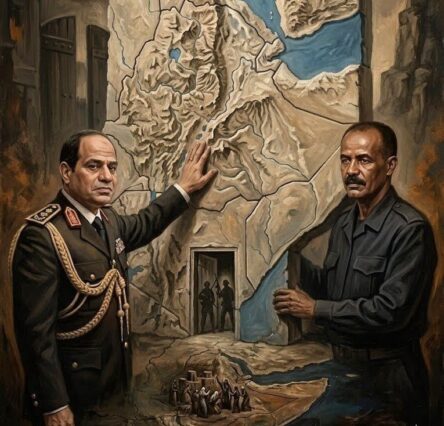
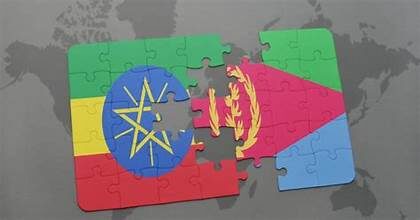
Ethiopia remains the most consequential arena for this approach. The two liberation movements once fought a common enemy, but their partnership collapsed after secession and culminated in the 1998–2000 border war. Relations have since shifted between confrontation and tactical cooperation.
When direct military pressure cannot secure Eritrea’s objectives, ties with Ethiopian opposition groups offer another means of influence. Such relationships can impose security costs on Addis Ababa and complicate its internal calculations. Yet support for armed actors is dangerous. It can deepen Ethiopia’s conflicts, invite reciprocal interference, and make future settlements harder to sustain.
Ethiopia’s pursuit of reliable maritime access has added another layer to the rivalry. Addis Ababa presents sea access as an economic and strategic necessity. Asmara views a stronger Ethiopia through the lens of its own security. Without credible diplomacy, a dispute over access and sovereignty could become entangled with internal conflicts and trigger a wider confrontation.
Sudan shows how neighbouring conflicts can become instruments of influence. Eritrea and Sudan have a history of backing each other’s opponents, particularly after relations deteriorated in the 1990s. Armed movements hosted across the border became both military assets and bargaining chips.
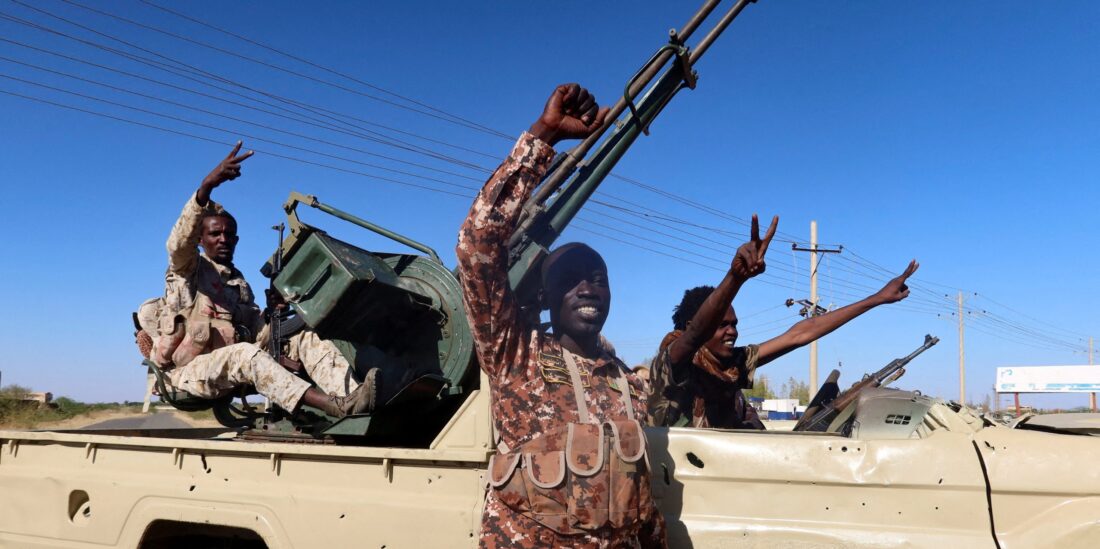
The current Sudanese war has renewed the importance of eastern Sudan and the borderlands. Eritrea’s engagement with Sudanese armed and political actors may give Asmara influence over its neighbour. But training networks and armed groups also risk drawing Eritrea deeper into a conflict marked by displacement, fragmented authority, and weapons spreading across borders Leverage gained through these relationships may be difficult to control. Armed partners pursue their own interests, which can diverge from those of the state supporting them.
Somalia has also been a stage for regional competition, especially where Ethiopian influence is concerned. Eritrea’s earlier relationships with Somali opposition movements contributed to mistrust, although claims of continuing support for particular extremist groups must be distinguished from documented historical involvement. The broader pattern is the use of neighbouring political arenas to limit a rival’s freedom of action.
The Red Sea offers another source of leverage. Eritrea’s coastline and Assab have attracted outside powers seeking access to the Yemen theatre. The United Arab Emirates’ use of Assab during the Yemen war showed how geography could generate diplomatic and material returns. But external interest can be temporary. When a partner’s priorities change, a base may lose value, leaving Asmara with fewer gains than expected.
Crisis-driven strategy invites countermeasures. Ethiopia can deepen its security partnerships; Sudanese factions can attract additional sponsors; and neighbouring governments can support Eritrean opponents. Each move may appear rational alone, but together they create reciprocal destabilisation.
This also weakens maritime security and economic cooperation across the Horn. Governments that view one another as adversaries have less incentive to share intelligence, manage borders, or coordinate against trafficking and armed networks. Crises overlap, and local disputes become vulnerable to outside manipulation.
Eritrea’s leaders may see strategic ambiguity and proxy relationships as ways to offset limited resources and protect their freedom of action. But leverage built on instability is rarely durable. It can isolate the state, intensify border insecurity, and increase the risk of direct conflict with Ethiopia.
A more stable Horn requires governments to reject cross-border sponsorship of armed groups and create channels for managing disputes before they escalate. Eritrea’s geography could make it a partner in Red Sea security and regional trade. Realising that potential requires a shift from exporting insecurity to addressing its sources.