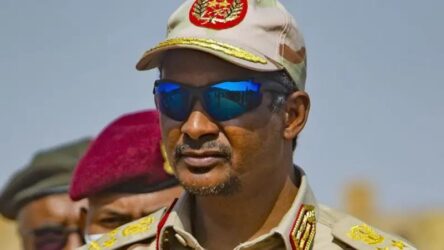
Sudan is grappling with one of the most devastating internal conflicts of the 21st century. What began in April 2023 as a power struggle between the Sudanese Armed Forces (SAF), led by General Abdel Fattah al-Burhan, and the Rapid Support Forces (RSF), commanded by Mohamed Hamdan Dagalo, quickly spiraled into a full-scale civil war. The result is a nation sliding deeper into chaos, with millions displaced, cities reduced to rubble, and a civilian population trapped between two rival militaries that show little regard for human life.
Khartoum, once a bustling capital, has become a battlefield. Entire neighborhoods have been abandoned or destroyed. Ethnic violence has surged in Darfur, echoing the atrocities of the early 2000s but with even less international attention. Reports of mass killings, sexual violence, and scorched-earth campaigns continue to emerge, particularly from West Darfur. The RSF and its allied militias stand accused of targeting civilians along ethnic lines, particularly those from the Masalit community, with the intent of cleansing entire regions.
Meanwhile, Sudan’s economy is in free fall. Banks barely function, inflation is rampant, and access to basic goods is almost nonexistent in many parts of the country. The healthcare system has collapsed in war-affected areas. Schools are closed. Electricity and water services are sporadic, if they exist at all. Aid organizations face impossible conditions, with many withdrawing after repeated attacks on their staff and warehouses.
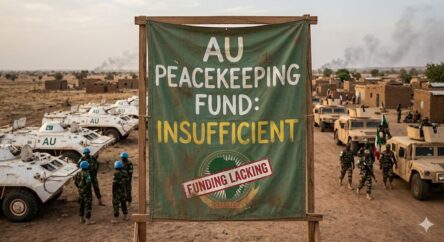
Regional and international actors have largely failed to broker a ceasefire. Mediation efforts led by Saudi Arabia and the United States have stalled. Egypt, the UAE, and other neighboring countries have taken sides, often fueling the conflict through arms shipments or political backing. The African Union and IGAD have issued statements, but on the ground, their influence is limited. In the absence of sustained diplomatic pressure, both SAF and RSF operate with impunity.
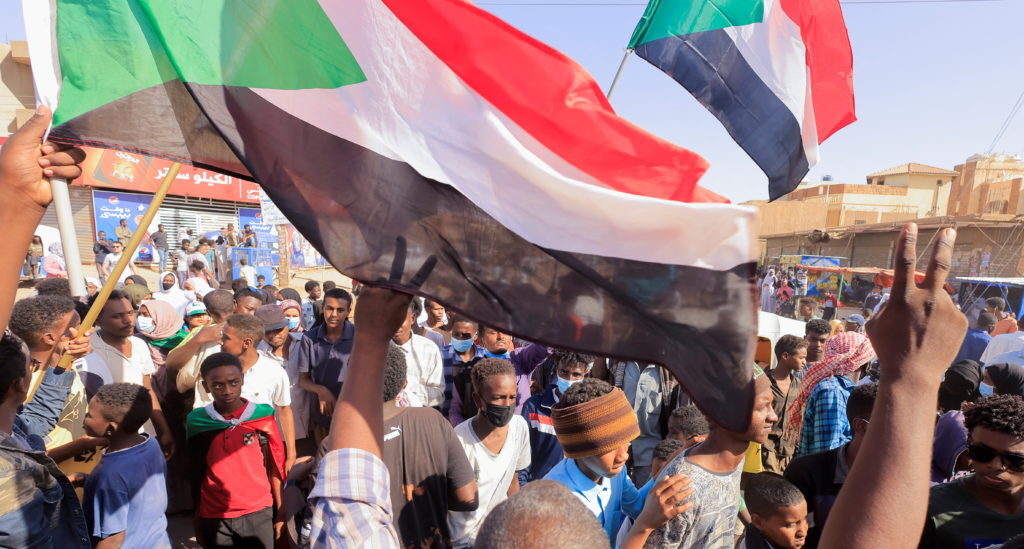
The war in Sudan is not only a humanitarian catastrophe but a political dead end. Civilian voices, once hopeful after the 2019 ousting of Omar al-Bashir, are now silenced or exiled. The dream of democratic transition has been crushed under the weight of military ambition and international indifference. For many Sudanese, the future holds little promise beyond survival.
As the world’s attention shifts elsewhere, Sudan risks becoming a forgotten war. Yet its collapse sends ripples far beyond its borders. It fuels regional instability, drives massive refugee flows, and strengthens transnational criminal networks. If left unaddressed, the consequences will not be contained within Sudan’s fragile borders.