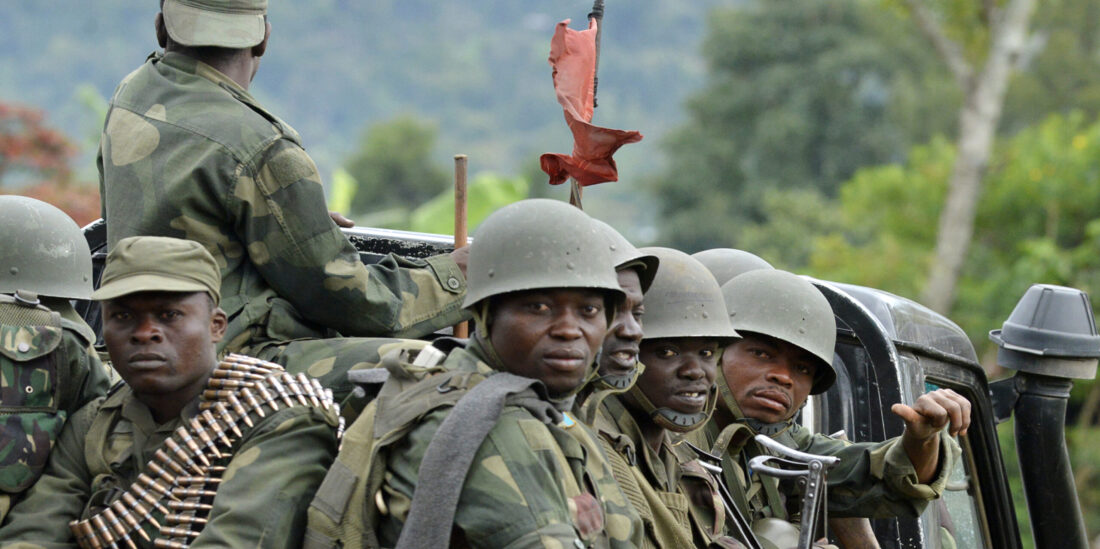
The Democratic Republic of the Congo’s eastern region, long plagued by violence and instability, is once again in the international spotlight following a brutal attack on a Catholic church in Komanda. On the night of July 27, armed fighters stormed Saint Anuarite parish where nearly a hundred worshippers had gathered. At least 43 people were killed, including nine children, and several more were kidnapped. This massacre, for which the Allied Democratic Forces claimed responsibility, underscores the renewed threat posed by ISIL-affiliated groups in Central and East Africa.
The ADF, now often identified by some experts and agencies as ISIS-Central Africa, began as a Ugandan Islamist rebel group in 1994. Driven into the DRC in the early 2000s, the group evolved into one of the most lethal non-state actors in the region. In 2019, under the leadership of Musa Seka Baluku, the group declared allegiance to ISIL. This shift transformed the group from a localized insurgency into a more ideologically charged force within a broader transnational extremist network. While ISIL’s caliphate collapsed in the Middle East, the group’s affiliates have flourished in Africa. The United Nations has documented financial and logistical ties between ISIL’s core leadership and ADF, with support ranging from cash transfers to training and operational guidance.
The timing of the recent attacks is significant. In July, the DRC government signed a peace roadmap with Rwanda and the M23 rebel group, brokered with support from the United States and Qatar. The deal, which led to a temporary ceasefire, offered a brief respite from months of brutal warfare in North and South Kivu. As regional and international attention turned to consolidating that fragile peace, the ADF launched a series of deadly offensives. Experts suggest that the ADF is seeking to reassert its presence and take advantage of the security vacuum created by the redeployment of military resources toward the M23 frontlines.
These attacks also reflect a broader strategy. The ADF has repeatedly targeted rural communities,
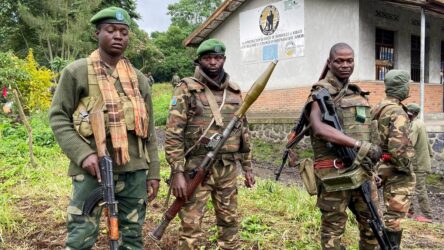
churches, schools, and marketplaces,places where civilians are most vulnerable. This pattern is designed not only to sow fear and instability but to secure control over local populations and territory. The group is reportedly operating camps complete with clinics, prisons, and indoctrination schools, enabling it to function with a level of organization that rivals state structures in the area. With between 1,000 to 1,500 fighters armed with small arms, RPGs, and IEDs, the ADF is more than capable of waging asymmetric warfare and avoiding conventional military confrontations.
Uganda plays a complex role in this conflict. The ADF originated in Uganda, and Kampala has since committed thousands of troops to eastern DRC under Operation Shujaa. This joint operation with Congolese forces aims to neutralize the group’s presence. Two key ADF commanders have been captured since 2021. Yet Uganda’s involvement is met with suspicion. Accusations persist that Kampala, alongside Kigali, has supported or tolerated M23 rebels in the past. The UN has reported cases of Ugandan facilitation of rebel movement and indirect complicity in mineral exploitation, a sensitive issue in a country whose sovereignty has historically been compromised by foreign intervention.
Uganda’s military justification centers on protecting its commercial interests. Eastern Congo is a vital market for Ugandan exports, and the instability caused by groups like the ADF threatens not only human lives but also regional economic activity. While that logic holds strategic weight, it also blurs the line between counterterrorism and economic militarization, prompting concerns in Kinshasa and among observers about Uganda’s long-term objectives.
The situation remains dangerously fluid. Although M23 has pulled back from some offensives, and diplomatic channels are now active, the rise in ADF attacks reveals a darker reality. Even during periods of relative peace, violent non-state actors can escalate brutality to regain relevance and leverage. The presence of more than a hundred armed groups in eastern DRC compounds the crisis. Each group has its own motivations, backers, and objectives, making unified peace efforts almost impossible.
Data from the Armed Conflict and Location Event Data Project indicates that the combined toll
from M23 and ADF attacks in early 2025 was the highest in over two decades. That figure speaks not just to the scale of violence, but also to the inability of current peacekeeping, military, and political efforts to contain the crisis. The ADF’s resurgence, particularly after the Komanda church massacre, should be understood not as an isolated tragedy but as part of a larger regional pattern where fragile ceasefires are exploited by extremist factions to destabilize communities and entrench their influence.
The need for a multifaceted approach is urgent. Military pressure alone will not eliminate the ADF or prevent future atrocities. Long-term stability in eastern DRC will require improved governance, regional cooperation built on trust rather than rivalry, and a deeper investment in local communities. For now, the bloodshed continues, and groups like the ADF are once again proving that in the absence of sustained political will and regional unity, violence will always find a way to return.