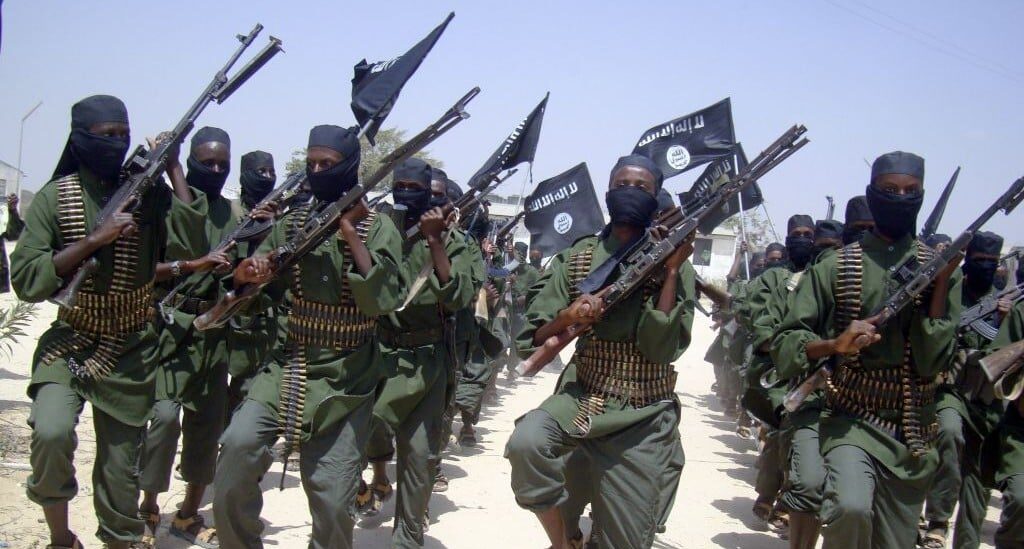
Al-Shabaab’s recent seizure of the Somali town of Mahaas is not just another battlefield headline. It exposes a deeper failure that decades of foreign intervention have not resolved. Despite billions in aid, targeted drone strikes, and military support from some of the world’s most powerful nations, Somalia continues to lose ground. The fall of Mahaas, located in the Hiiran region, raises a critical question. Why does Al-Shabaab still thrive in the face of overwhelming international force?
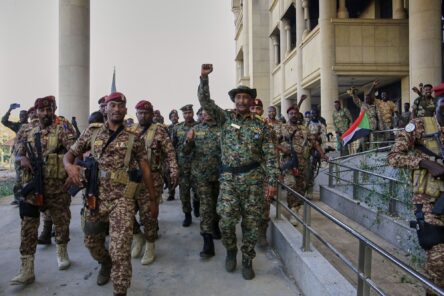
Somalia’s instability traces back to 1991 when the central government collapsed and a power vacuum emerged. Rival clans, warlords, and extremist groups competed for control, and Al-Shabaab, with ties to Al-Qaeda, rose from this chaos. It now holds vast rural areas and regularly strikes major cities. Efforts by the African Union, through its peacekeeping mission ATMIS, have sought to stabilize the country, but these attempts have repeatedly failed. When Ethiopian forces withdrew from Mahaas last year as part of a planned transition, the expectation was that Somali troops could hold the line. That proved unrealistic. Local forces, fractured and underprepared, were quickly overrun.
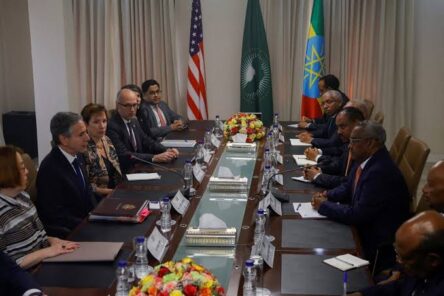
The international presence in Somalia is extensive. The United States has operated there since the early 1990s and has intensified its drone campaign, conducting more than 50 strikes this year alone. Turkey, which runs its largest overseas military base in Mogadishu, plays a major role in training Somali forces and overseeing key coastal zones. Egypt has also entered the picture, motivated largely by its rivalry with Ethiopia over Nile water politics. These foreign actors are not working together. Their overlapping ambitions often interfere with each other, undermining the very stability they claim to support.
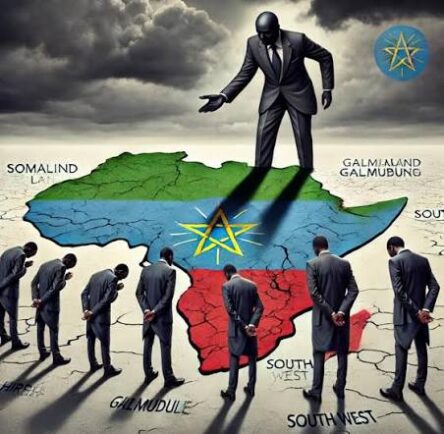
Somalia’s internal divisions are equally to blame. The country suffers from severe political fragmentation. Clans, federal states, and political elites often work at cross-purposes. This disunity creates space for Al-Shabaab to regroup and expand. Puntland has called for a more unified national response, warning that division serves only the militants. Without a national strategy built on consensus and coordination, military operations will keep failing.
External powers must also change course. Their support should reinforce Somali unity and institutional development, not mirror their own rivalries. Egypt’s increasing presence in Somalia, for instance, has little to do with Somalia itself and more to do with its standoff with Ethiopia. This kind of foreign involvement only deepens Somalia’s crisis.
The capture of Mahaas is a wake-up call. Somalia’s problem is not a lack of foreign assistance or firepower. It is a political crisis that allows militant groups to flourish. If Somali leaders cannot come together and if external partners cannot agree on a shared vision for peace, then more towns like Mahaas will fall. The consequences will not stop at Somalia’s borders. Instability in the Horn of Africa affects trade, security, and humanitarian efforts across the region. Solving this problem requires more than force. It demands unity, both at home and abroad.