No single headline says it, but the pattern does: Ethiopia is tightening alliances and modernizing kit while arguing loudly that Red Sea security cannot exclude a country of 120+ million whose trade depends on those waters. In public, it is diplomacy first, but in the background, it is insurance. This month alone, Ethiopia hosted the new AFRICOM commander and announced deeper U.S. security cooperation; a French land-forces delegation signaled expanded military ties in Addis; Morocco and Ethiopia signed a police MoU in Marrakech; and Singapore said it will open an embassy in Addis, its third in Africa. None of that proves war is coming. But all of it says Ethiopia is raising its diplomatic and security ceiling as Red Sea politics harden.
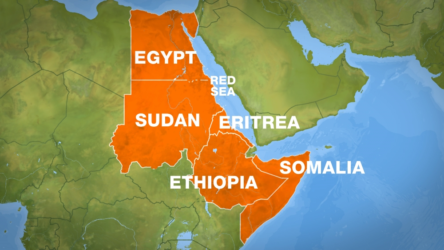
Addis Ababa’s case is straightforward: Red Sea stability affects Ethiopia’s economy, food security, and crisis response; therefore, Ethiopia should be inside, not outside regional mechanisms that set rules and manage risk. That claim met open resistance from Eritrea and Cairo.
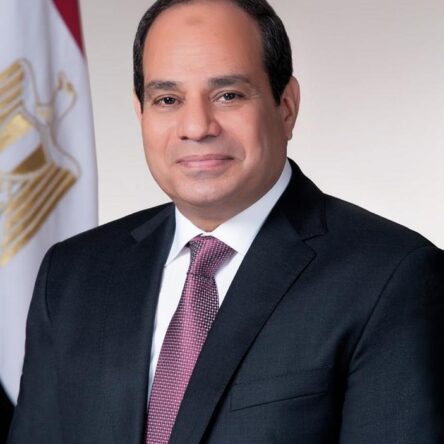
In late October, Egypt’s foreign minister said Red Sea governance belongs only to littoral states and explicitly argued that a landlocked Ethiopia has “no role.” A position Eritrea shares. Ethiopia, by contrast, has kept pressing its inclusion narrative in official channels and media briefings, tying sea access to regional stability, national security, economic needs, and historical rights.
Behind the talking points is a brisk schedule of relationship-building.
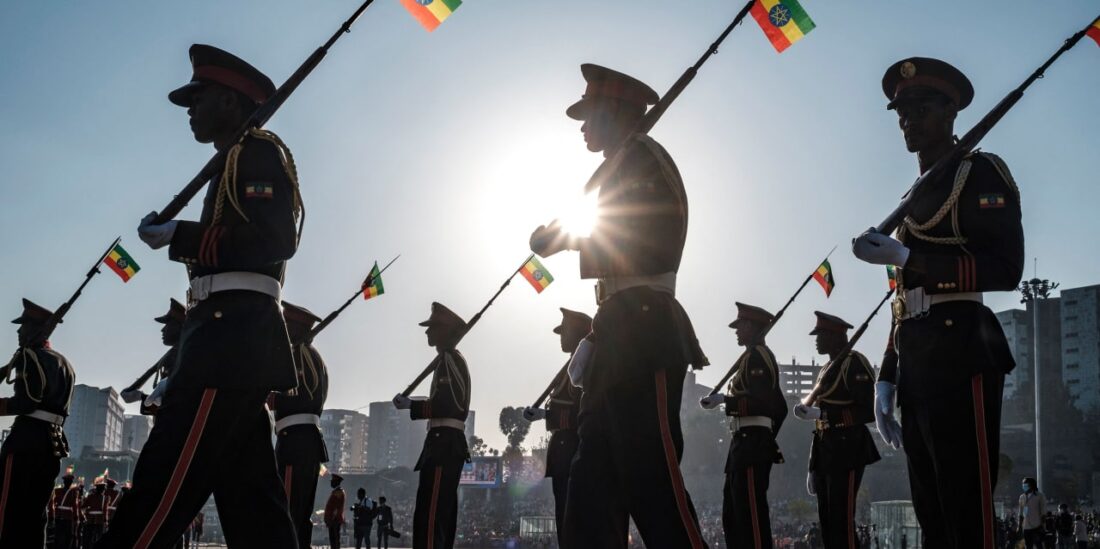
The ENDF chief met AFRICOM’s commander in Addis Ababa; both sides emphasized counter-terrorism and regional stability, and the U.S. general was quoted saying Ethiopia’s peaceful sea access would enhance its contribution to peace. In the meantime, a senior French delegation discussed expanding cooperation on training, equipment, and peacekeeping. With Morocco, Ethiopia signed a security cooperation MoU targeting transnational crime on the sidelines of Interpol’s General Assembly.
This is classic coalition-building. But diplomacy is one thing; capacity is another.
In March, Ethiopia inaugurated a domestic drone plant useful for surveillance, border monitoring, and asymmetric deterrence. In parallel, Addis has signed a cooperation agreement with Russia on naval development and training. It was followed by the inauguration of a major naval training facility. Ethiopia’s navy was disbanded after 1991; rebuilding it now without a coastline signals Ethiopia’s commitment on its demand for access to the sea.
Prime Minister Abiy has repeatedly said Ethiopia needs access, but it will not go to war with Eritrea for sea access. That commitment matters, not least because relations have deteriorated since 2022, from airline suspensions to mobilizations along the frontier. A clear public red line helps keep foreign partners onside while Addis tries the diplomatic process.
But a red line is only as credible as the restraint behind it; hence the visible investment in readiness that reduces the temptation for others to test it.
Read one way, Ethiopia’s activities throughout the year looks like pre-conflict positioning. Read another, it’s an effort for de-escalation. Tie more actors to Ethiopia’s stability; build enough intelligence and capacity to raise the costs of miscalculation; and keep pushing publicly, diplomatically that sea access is a legal-economic matter to be solved by negotiation, not conflict.
So is Ethiopia preparing for war? It is certainly preparing not to be cornered. It is tightening partnerships, increasing its diplomatic efforts, upgrading tools, building capacity, and insisting on a voice in Red Sea security. The argument from Addis is simple: Red Sea stability that ignores Ethiopia is impossible. The test now is whether the diplomacy can move faster than the drift toward blocs and conflict.
A negotiated, rules-based access arrangement would make the military build up less relevant; failure to find one makes it central.