
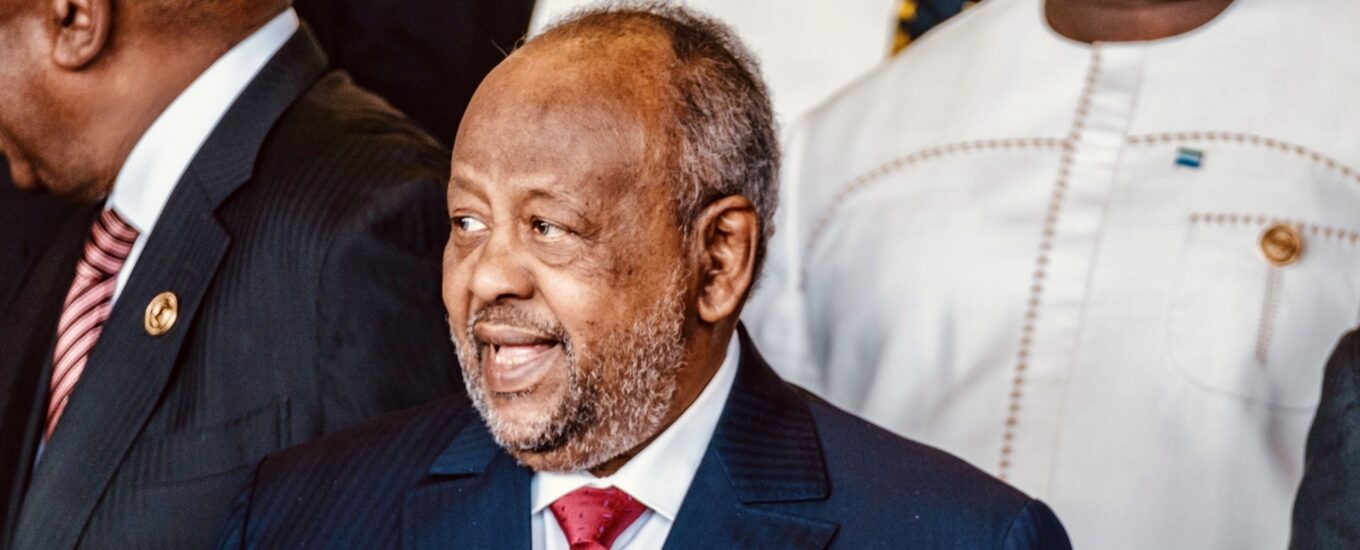

In a nation of barely one million souls, Djibouti is staging yet another presidential “election” on April 10, 2026 a grotesque coronation disguised as democracy. President Ismail Omar Guelleh, 78 and in power since 1999, is running for a sixth term after parliament obediently scrapped the 75-year age limit last November. His only registered opponent is Mohamed Farah Samatar, a former ruling-party nobody leading the Unified Democratic Center a ghost party with zero parliamentary seats and zero national clout. The outcome is not in doubt. Guelleh took 97 percent in 2021. This is not politics; it is a scripted encore of authoritarian theater. This is no contest of ideas. It is a naked power grab by a clan franchise. Guelleh’s Mamassan subclan of the Issa Somalis roughly 60 percent of the population monopolizes the presidency, defense, security apparatus, and the economy’s commanding heights. Afar citizens, who claim they are the actual majority and control 80 percent of the land, are relegated to token posts and deliberate marginalization. The ruling Union for the Presidential Majority is an Issa machine. Real opposition voices, like former adviser Alexis Mohamed, are exiled or denied “security guarantees” even to file papers. This is not democracy in thin disguise; it is dictatorship running the same rigged play for 27 years.
The ethnic fracture is raw and worsening. French colonial favoritism toward the Issa was inherited and perfected by Guelleh’s uncle, Hassan Gouled Aptidon. Afar regions in Tadjoura, Obock, and Dikhil remain starved of roads, schools, clinics, and water. The Front for the Restoration of Unity and Democracy (FRUD) fought for basic rights in the 1990s; peace deals in 1994 and 2001 were signed then ignored. In January 2026, FRUD fighters delivered serious defeats to government forces in Afar heartlands, seizing over a dozen posts. The regime’s retaliation was brutal and sectarian: Issa militias torched Afar homes in Djibouti City, drone strikes hammered civilian zones, and reports of dead children surfaced from Dikhil. Afar leaders rightly cry “ethnic cleansing.” Human Rights Watch and Reporters Without Borders which ranks Djibouti 168th out of 180 for press freedom document the pattern: arbitrary arrests, torture, banned protests, and a political system welded shut for anyone outside the presidential clan.
Economically, the hypocrisy stinks. Foreign military bases from the US, France, China, and others pump in rents while the ports boom for the Issa elite and their foreign partners. Afar pastoralists and urban youth rot in deliberate neglect, sky-high unemployment, and poverty. Youth frustration is exploding. Regional shocks like Ethiopia’s Red Sea ambitions now threaten even the port monopoly that props up the regime. Guelleh’s answer? Iron-fist stability and constitutional cheating, the same tired message that only one man can “steer the ship.”
As the vote looms, the mask slips further. International observers from the African Union, IGAD,
OIC, and Arab League have arrived. Critics on social media rightly call it the “dictators club” ready to rubber-stamp the farce. Pro-Guelleh rallies tout “unity” and “stability,” while opposition voices label the entire process a national disgrace and a stolen mandate. Recent posts from Djiboutian youth expose the truth: extreme unemployment, drug crises, and a 77-year-old ruler clinging to power while a new generation demands change.
This is no republic; it is a one-man stage production built on inverted reality a minority clan ruling the majority and calling it democracy. Guelleh has turned the state into a family-and-clan franchise funded by foreign rents while repressing dissent and ignoring the Afar majority’s legitimate grievances. Until this inversion is smashed, Djibouti’s “election” will remain exactly what it is: a cynical solo performance by President Ismail Omar Guelleh, with the rest of the country forced to sit in the dark and applaud a dying script. The strategic location may buy the regime time. But ethnic wounds, youth rage, and the stench of rigged rule do not vanish because the outcome was decided years ago. History is watching and the fractures are widening.