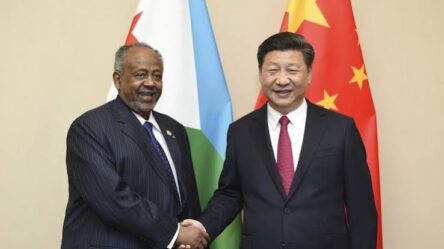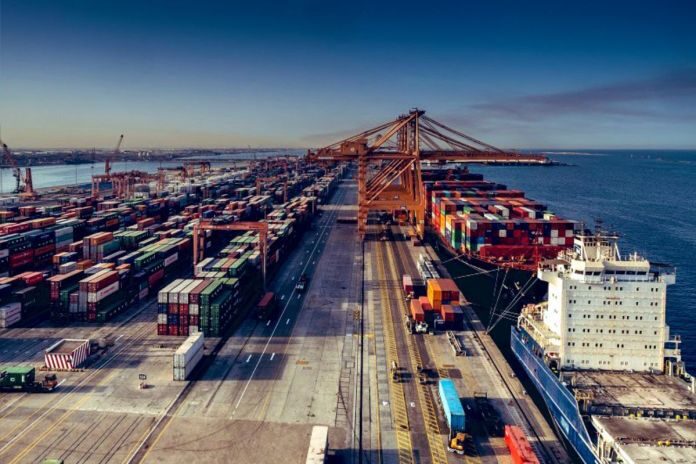
For thirty years, the Port of Djibouti has been Ethiopia’s undisputed gateway, handling over 95% of its seaborne trade. But in 2026, that monopoly is cracking. Berbera’s expanded deep-water terminal, operated by DP World, combined with Ethiopia’s 2024 MoU with Somaliland, has ignited a high-stakes “Port War.” Today, we compare the data: which corridor is faster, cheaper, and safer for Ethiopia’s economic future?
Djibouti boasts the established Ethio-Djibouti Railway (EDR), which can move cargo from port to Addis in under 12 hours for loading/unloading segments, with recent improvements cutting some turnaround times by up to 28%. However, congestion remains a chronic issue. Vessel waiting times have hovered around 4 days in recent periods, and trucking faces occasional fuel shortages and bottlenecks, inflating overall lead times. Djibouti has responded with fee reductions and prioritization of Ethiopian cargo amid Red Sea disruptions.
Berbera counters with modern DP World technology. Vessel turnaround times have plummeted from 64 hours in 2018 to about 25 hours by 2024, a major efficiency gain. Container capacity has tripled to 500,000 with plans for 2 million, supported by deeper drafts, new quay cranes, and automation. Berbera can already handle Ethiopia’s current container demand twice over. The drawback: no completed railway yet. Cargo relies on upgraded roads (Berbera Corridor highway), making inland transit slower and more truck-dependent than Djibouti’s rail for now. A UAE-funded $3 billion railway project (announced ~2025, surveys underway) aims to close this gap, potentially linking Berbera directly toward Aysha and the existing network.
Verdict on efficiency: Djibouti wins today on integrated rail speed to Addis for many cargoes, but Berbera’s port-side speed and modern ops make it highly competitive, especially for time-sensitive or bulk shipments if road logistics are optimized. DP World’s tech is rapidly bypassing traditional bottlenecks.
Trade is never just logistics, it’s sovereignty and leverage. Djibouti offers relative regional stability and a proven corridor, but at a steep price. Ethiopia reportedly spends $1.5–2 billion annually on port and related logistics fees. Handling costs are moderate due to scale, yet overall expenses (including trucking/rail) create dependency risks. Recent tensions, including restrictions on multimodal operators and fee structures, have highlighted vulnerabilities. Ethiopia even rejected a stake in Djibouti’s Tadjoura port in 2026, prioritizing secured corridor access over equity in aneighbor’s assets.
MoU, lower future dependency, and DP World’s efficiency-driven pricing. Export incentives exist, and overall corridor costs could compete favorably once the railway materializes (one analysis suggests competitive per-ton figures, though container handling at Berbera can currently be higher at the quay). The complication is Somaliland’s contested status, limited international recognition adds political and security risks, though recent UAE security pacts provide some backing. Ethiopia gains leverage to negotiate better terms with Djibouti through credible alternatives.
Djibouti demands high, predictable fees for stability. Berbera offers diversification and potential ownership/control elements but carries recognition and infrastructure-completion risks. Ethiopia appears willing to pay the geopolitical complexity for reduced monopoly exposure.
In 2026, the winner isn’t one port, it’s The Great Diversification. Competition is forcing efficiency gains, fee adjustments, and innovation on both sides. For Ethiopia, dual (or multi-) corridors mean resilience against congestion, political friction, or Red Sea shocks. Even partial cargo shift to Berbera pressures Djibouti to improve service while giving Addis bargaining power and insurance. Long-term, a functional Berbera railway could transform northern trade routes, lower costs, and boost export competitiveness. The “Port War” is the best outcome for the Ethiopian economy: choice, competition, and leverage instead of single-point dependency.
If you were a business owner in Addis, would you stick with Djibouti’s established rail or trial Berbera’s new technology and corridor? Drop your numbers, experiences, or cost comparisons in the comments