imagine this: your neighbor finally gets a real shot at breathing room after decades of being landlocked… and suddenly half the region lines up to block him. That’s exactly what’s happening right now in the Horn of Africa. Eritrean President Isaias Afwerki sat down with China’s special envoy to the Horn. He called for Beijing to play a bigger role in a “world of instability.” China said yes, they’re ready to deepen ties. On the surface, it looks like routine diplomacy. But for Ethiopia? This hits close to home.
We’ve been following the Horn for years, and let me break it down for you like I would to a friend over coffee. Why do Egypt and Eritrea keep pushing so hard against Ethiopia even when the dam is already built and the port deal with Somaliland is gaining momentum? And why is this fight now spilling over and bothering Somaliland?
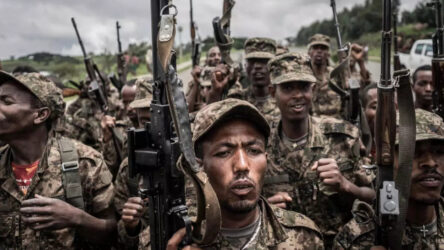
Let’s start with the basics .Eritrea’s position is pretty straightforward. It’s a small country with a long coastline and a leader who sees any Ethiopian move toward the sea as a direct threat. They worry that if Ethiopia gets secure access through Berbera or anywhere else, Eritrea loses its role as the region’s gatekeeper. So when Ethiopian leaders talk openly about sea access, Eritrea hears it as expansionism. And right now, tensions are rising, troops moving and accusations flying both ways.
Ethiopians who already lived through one devastating war are watching this with real fear. Egypt’s story runs deeper. For Cairo, the Nile isn’t just a river it’s life itself. It gives 97 percent of Egypt’s freshwater to over 110 million people, their farms, their factories, their power. Back in 1929 and 1959, colonial-era deals handed Egypt and Sudan the lion’s share of the water. Ethiopia, which contributes 85 percent of the Blue Nile flow, got nothing. Fast forward to today: the Grand Ethiopian Renaissance Dam is built and operating. Independent studies show that with smart cooperation, it causes almost no extra long-term loss downstream.
But Egypt’s real worry is control. And just weeks ago, Ethiopia announced plans for three more dams on the Blue Nile. Egyptian officials are furious they see it as doubling down on leverage. Here’s where it gets personal for Somaliland. The January 2024 Memorandum of Understanding between Ethiopia and Somaliland is still alive. the deal could become binding soon, possibly with a few practical tweaks. Ethiopia gets reliable Red Sea access through Berbera. Somaliland gets investment, and a real economic
boost. For a young Somalilander trying to build a future, that’s huge jobs, trade, dignity.
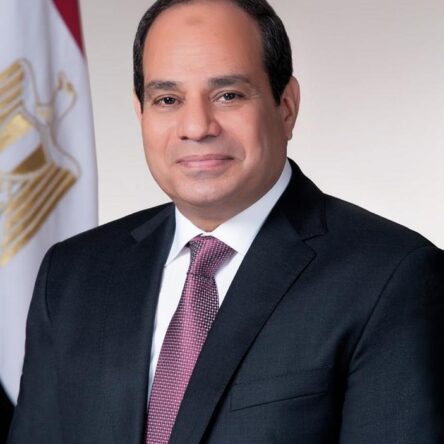
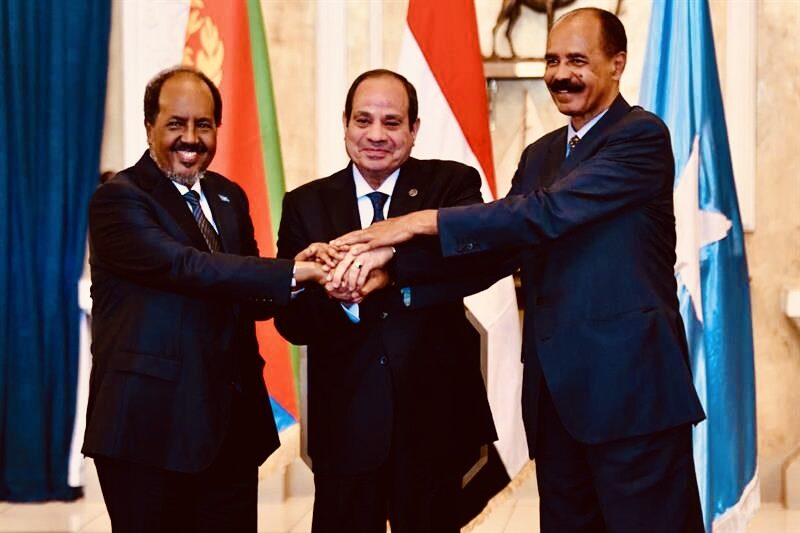
But Egypt sees this as strategic encirclement. A stronger Ethiopia with its own sea route means less pressure on the Nile file. So Cairo has deepened military ties with Somalia, sent troops and aid, and helped build an informal axis with Eritrea and Somalia. They’ve condemned the Berbera deal as a threat to Somali sovereignty. Somaliland is caught in the middle, collateral damage in a bigger game to keep Ethiopia boxed in. Here’s the thing that really hits hard. Both sides have legitimate fears. Ethiopia is a nation of 130 million people with every right to develop its resources, generate power, and end its landlocked status. Egypt has every right to protect its water security. Eritrea wants to block Somaliland just because Ethiopia is benefiting. The problem isn’t only interest, it’s the zero-sum mindset. Ethiopia feels Egypt is clinging to colonial privileges. Egypt feels Ethiopia is rewriting the rules without enough safeguards.
The emotional toll is real. Families in Ethiopia still carry the scars of the last war. Young men across the Horn wonder if another round of conflict is coming. Yet there’s also real resilience here. Ethiopia has rebuilt after war, pushed massive infrastructure, and kept its economy moving. Somaliland has built institutions from the ground up and shown the region what stable, democratic governance looks like. The current moment is tense, but it doesn’t have to end in confrontation. Technical data-sharing, joint drought protocols, and honest talks on the Berbera deal could create win-wins. Harmony isn’t fantasy it’s possible if leaders choose restraint over rivalry.
So what does this mean for you? Whether you’re in Hargeisa, Addis, Asmara, or Cairo, the Horn’s future isn’t decided by outsiders or old grudges. It’s decided by whether we keep playing the old chess game or finally build something together.
If this breakdown helped you see the bigger picture, drop a comment below, where do you think this goes next? Are you Team cooperation or do you see more tension ahead? Hit subscribe and turn on notifications so you don’t miss the next story from the Horn. We’re in this together.