When foreign fighter jets conduct precision strikes inside a sovereign nation, the event marks more than a tactical victory.
It signifies a deepening strategic partnership, a shift in military capability and a recalibration of the external actors willing to invest blood and treasure in the region’s stability.
Recent air strikes by Turkish F-16s against Al-Shabaab strongholds in southern Somalia have delivered a significant blow to the militant group but they also raise critical questions about the evolving nature of Somalia’s counter terrorism strategy and its growing reliance on non traditional security partners.
As Somalia continues its protracted war against Al-Shabaab, the involvement of international partners has become increasingly vital However, the nature of that involvement is changing.
While African Union forces have historically borne the brunt of ground operations, a new dimension is emerging: advanced aerial warfare conducted by a rising regional power The recent strikes by Turkish F-16s which resulted in the deaths of dozens of militants are not just a news headline.
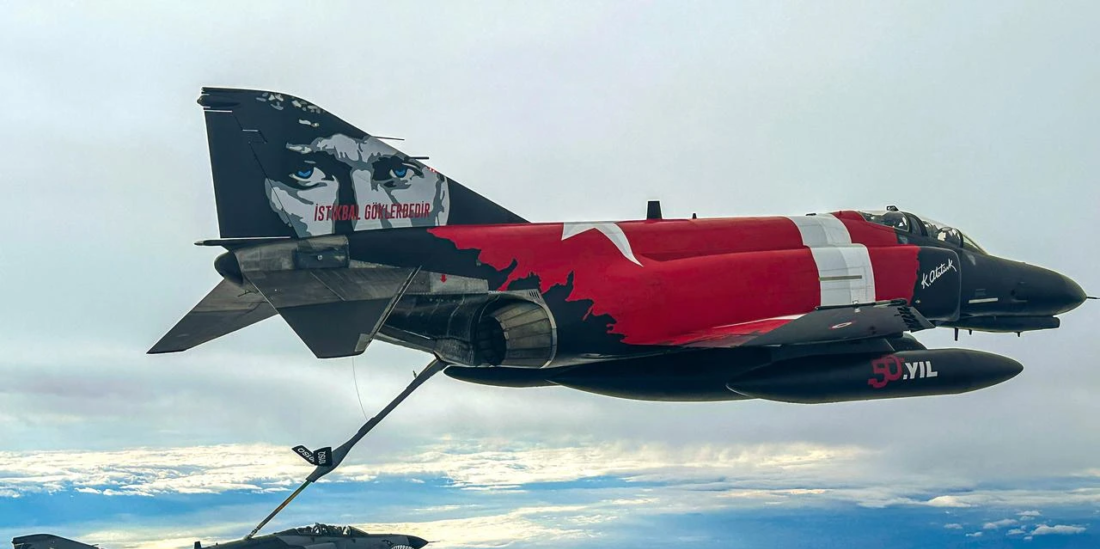
They are a tangible demonstration of the expanding military footprint of Turkey in the Horn of Africa and a testament to the changing dynamics of a conflict that has defined Somali statehood for nearly two decades In the Godey area of the Lower Shabelle region, a series of coordinated air strikes were conducted by Turkish F-16 fighter jets on Tuesday.
According to the Somali Defense Ministry, the operations resulted in approximately 35 militants killed and more than 20 wounded.
The targets were not arbitrary The strikes deliberately focused on strategic infrastructure: caves used as hideouts, weapons caches, and command-and-control centers By targeting logistical and defensive positions, the operation aimed to degrade Al-Shabaab’s
ability to regroup and resupply in a region that has historically served as a critical hub for the insurgency The collaboration between the Somali National Armed Forces and the Turkish Armed Forces highlights a level of intelligence sharing and operational coordination that has taken years to develop.
Turkey’s involvement in Somalia is not new but its nature has shifted dramatically over the past decade Initially characterized by humanitarian aid and development projects including the construction of hospitals, schools and infrastructure Ankara’s presence has evolved into a comprehensive security partnership.
This culminated in the establishment of the largest Turkish overseas military base in Mogadishu designed to train Somali troops.
The deployment of F-16s for active combat missions represents a qualitative escalation Unlike the logistical and advisory roles played by some Western allies, Turkey is now directly engaging in offensive combat operations.
This demonstrates a willingness to assume significant military risk in exchange for strategic influence in the Horn of Africa For Somalia, this partnership offers access to advanced military technology and firepower that has previously been difficult to secure from other international actors.
The Turkish air campaign operates in a complex ecosystem of international military actors The African Union Transition Mission in Somalia provides the bulk of ground troops but often operates with limited air support The United States, meanwhile conducts its own unilateral strikes targeting high value Al-Shabaab commanders but its presence is often constrained by political considerations and fluctuating strategic priorities.
Turkey’s entry into the air war fills a specific gap: sustained, large scale aerial bombardment against massed insurgent positions While US strikes tend to be targeted and intelligence driven, the Turkish operations are characterized by a broader, more intense application of air power designed to soften enemy territory ahead of or in support of ground offensives.
This diversification of security partners offers Somalia strategic flexibility but also creates a complex web of competing geopolitical interests While the immediate tactical results of the strikes are impressive, the broader strategic calculus remains difficult.
Al-Shabaab has proven remarkably resilient over the years, adapting to aerial bombardment by dispersing forces, utilizing civilian infrastructure, and retreating into remote rural areas.
The loss of caves and weapons caches, while significant, is rarely fatal to an insurgency deeply embedded in local communities True sustainability requires that air superiority be converted into permanent territorial control. If Turkish strikes are followed by effective Somali ground operations and effective governance, the gains may be consolidated.
However, if the strikes occur in isolation, the militants may simply retreat, regroup, and return Turkey’s increasing military assertiveness in Somalia does not occur in a vacuum It places Ankara in direct alignment with Somali government objectives but also raises eyebrows among neighbouring states.
Turkey’s growing presence challenges the traditional dominance of Western and Gulf powers in the Horn of Africa It signals that the region is becoming a multi polar arena where military power is increasingly used as a tool of diplomatic influence For Somalia, this is a double edged sword. While receiving advanced F-16 support strengthens the fight against Al-Shabaab, it also deepens dependency on a single power with its own regional agenda.
The air strikes in Lower Shabelle represent a milestone in the Somali-Turkish defense relationship.
However, the military path is just one avenue The true defeat of Al-Shabaab will ultimately depend on winning the battle for the minds through governance, economic opportunity, and security sector reform.
As the SNAF and Turkish forces continue their coordination, the focus must remain on ensuring that tactical victories translate into lasting stability, rather than just shifting the insurgency to a different location The roar of F-16s over the Somali countryside is a sound that signals a new era in the fight against extremism.
It is a testament to the growing internationalization of the conflict and a reflection of Somalia’s desperate need for effective security partners.
Yet, as the dust settles on the Godey area, the fundamental question remains: can advanced foreign weaponry achieve what political reconciliation and development have struggled to accomplish The answer to that question will define the course of Somalia’s future and the sustainability of its partnerships with nations like Turkey.