The Red Sea is once again emerging as a major flashpoint. Yemen’s Iran-backed Houthis have announced a maritime blockade targeting Saudi-linked shipping through the Bab el-Mandeb Strait, a strategic waterway just across from the Horn of Africa. The move raises fresh concerns over global trade, energy security, and Ethiopia’s maritime neighborhood.
The Iran-backed Houthi movement in Yemen, equipped with advanced weapons including naval mines and maritime drones, has announced a ban on the passage of oil tankers and other commercial vessels through a section of the Red Sea close to Ethiopia.
The announcement comes after Iran reportedly closed the Strait of Hormuz, placing severe pressure on shipping in the Persian Gulf. Iran’s regional allies have also signaled their intention to open another front in the Red Sea.
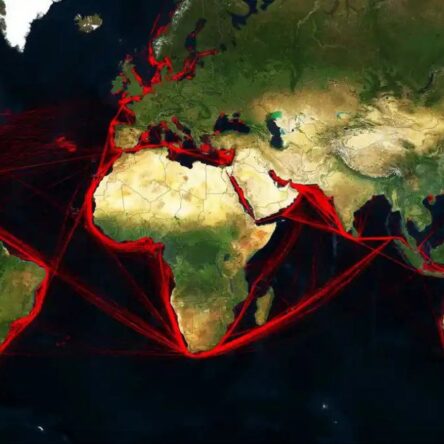
The Houthis, who control northern Yemen, declared that Saudi-linked vessels would no longer be allowed to pass through the Bab el-Mandeb Strait the strategic maritime chokepoint connecting the Gulf of Aden to the Red Sea and carrying roughly 12% of global oil trade.
According to Houthi military spokesman Yahya Saree, the measure is retaliation for Saudi Arabia’s restrictions on ports and airports located in Houthi-controlled territory.
Saudi Arabia condemned the move, stating that it “will take all necessary measures under international law to protect its shipping.”
Yemen has been devastated by civil war since the Houthis overthrew the internationally recognized government in Sanaa over a decade ago. A Saudi-led coalition intervened to restore the government, intensifying the conflict. More than 150,000 people have reportedly been killed, while the United Nations estimates that over 22 million Yemenis require humanitarian assistance.
The Houthi restrictions have already forced numerous commercial ships to alter their routes.
Middle East analyst Farea Al-Muslimi of Chatham House told the BBC that the Houthis possess sufficient military capabilities including naval mines and maritime drones to seriously disrupt shipping in the Red Sea.
He warned that striking even a single vessel could trigger widespread fear among insurers, shipping companies, and energy suppliers, creating economic consequences far greater than the immediate physical damage.
Analysts argue that Iran’s broader strategy has been to increase pressure on U.S. allies across the region. Yemen expert Anwar Al-Ansi suggested that the Houthis are attempting to draw Saudi Arabia deeper into the conflict to advance Tehran’s objectives.
The Bab el-Mandeb Strait is regarded as one of the world’s most strategically important maritime chokepoints. Iranian media previously quoted military officials linked to the Islamic Revolutionary Guard Corps as saying Iran has both the interest and the capability to threaten shipping there.
A senior Houthi official also told Reuters that the group is “militarily ready” to target the Bab el-Mandeb in support of Iran if necessary.
The Houthis recently resumed attacks against Israel following the outbreak of the Iran-Israel conflict. Israel says it intercepted missiles launched from Yemen.
Since the Gaza war began, the Houthis have repeatedly targeted shipping in the Bab el-Mandeb. They have attacked more than 100 commercial vessels with missiles and drones, sunk two ships, and killed four sailors.
The name “Bab el-Mandeb” means “Gate of Tears” or “Gate of Sorrow” in Arabic a reflection of the area’s long history of dangerous seas, piracy, and conflict. Between 2008 and 2012, Somali pirate attacks were common in the surrounding waters, prompting international naval patrols.
A prolonged disruption in the Red Sea would further strain global oil and gas supplies already affected by tensions in the Strait of Hormuz. Brent crude prices have reportedly climbed from around $70 per barrel before the conflict to more than $115, increasing costs across global trade from consumer goods to agricultural products.
Mohammed Al-Basha, founder of the U.S.-based maritime risk advisory firm Basha Report, told Reuters that it remains unclear whether the Houthis will immediately begin attacking Saudi-bound vessels. However, he warned that even the threat alone could disrupt shipping and create uncertainty around Saudi ports. If the Houthis move from warnings to direct attacks, he said, the situation would become significantly more dangerous.