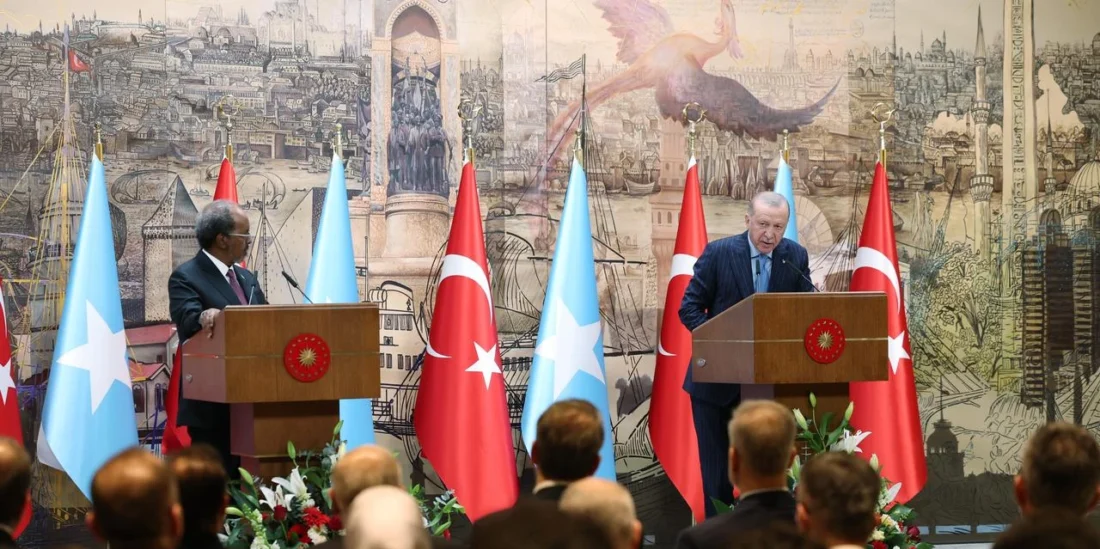
Türkiye is extending its military presence in Somalia for another two years. On paper, it looks like a
routine extension. But in reality, it signals something much bigger. This is not just about counterterrorism
or training Somali forces. It reflects a deeper shift: Türkiye is moving from a security partner to a
long-term strategic actor in Somalia, one with growing military, economic, and energy interests in the
Horn of Africa.
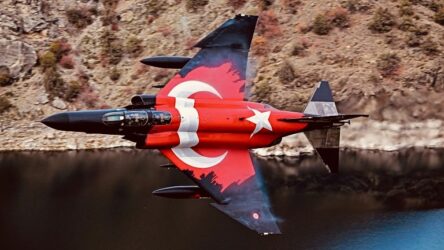
Türkiye’s parliament has approved a two-year extension allowing its armed forces to remain deployed in
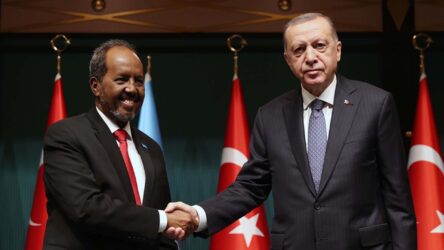
Somalia until July 2028. The decision, backed by President Recep Tayyip Erdoğan, continues Ankara’s
role in training Somali forces, supporting counterterrorism operations, and expanding security cooperation
under a broader defence agreement. But this extension comes at a time when Türkiye’s role in Somalia is
rapidly evolving beyond security.
Türkiye has maintained a military presence in Somalia for years, including its largest overseas training
base in Mogadishu.But this is no longer just about building the Somali National Army. The extension
signals continuity in a deeper security relationship, one where Türkiye is embedded within Somalia’s
defence architecture. As Somalia continues to confront threats from al-Shabaab, Turkish support remains
critical. But the longer this support continues, the more structural Türkiye’s role becomes in shaping
Somalia’s security environment.
What makes this moment different is the expansion of cooperation beyond defence.Türkiye is
increasingly positioning itself as a long-term partner across multiple sectors security, development,
infrastructure, and now energy.
This creates a layered relationship:
- Military support builds influence
- Economic engagement reinforces presence
- Long-term partnerships deepen dependence
Türkiye is no longer just assisting Somalia. It is becoming part of how the Somali state functions.
The timing of the extension is critical. In 2026, Türkiye launched its first overseas deep-sea drilling
mission off the coast of Mogadishu. The Çağrı Bey vessel is now exploring offshore oil and gas blocks
across the Indian Ocean and Arabian Sea. This marks a turning point. If commercially viable reserves are
confirmed, Türkiye’s role in Somalia will shift from partner to stakeholder. Security cooperation will no
longer be just about stability, it will also be about protecting strategic economic interests.
This expansion must also be understood in a wider regional context. The Horn of Africa sits at the
crossroads of the Red Sea, Gulf of Aden, and Indian Ocean, one of the most contested geopolitical spaces
in the world. By deepening its presence in Somalia, Türkiye gains: - Strategic access to major shipping routes
- A foothold in Red Sea security dynamics
- Influence in a region where global and regional powers are competing for position
Somalia is no longer peripheral. It is becoming central to broader geopolitical competition.
For Somalia, the partnership brings clear benefits:military support, investment, and a reliable external
partner. But it also raises long-term questions. As Türkiye expands its role across security and energy,
Somalia risks becoming increasingly dependent on a single external actor. Balancing sovereignty with
strategic partnership will be one of Mogadishu’s biggest challenges moving forward.
Türkiye’s military extension is not just about staying in Somalia. It is about entrenchment. As security,
energy, and geopolitics become increasingly interconnected, Türkiye is positioning itself not just as a
partner in Somalia, but as a central player in its future. The real question is whether this evolving
relationship remains mutually beneficial, or whether it reshapes the balance of power in ways that
Somalia may not fully control.