Egypt’s response to Ethiopia’s plans for new Nile dams appears focused less on trying to stop construction altogether and more on diplomacy, international pressure, and cooperation with Sudan. However, the experience of the Grand Ethiopian Renaissance Dam (GERD) has exposed the limits of Cairo’s influence.
The revival of three proposed hydropower projects on the Blue Nile Kara Dobi, Mandaya, and Beko Abo will test whether Ethiopia can build and utilize additional dams on the Nile despite more than a decade of Egyptian opposition.
The projects have been discussed for years. An academic study based on work sponsored by the Nile Basin Initiative in 2024 listed all three among the proposed Blue Nile projects and indicated that Kara Dobi and Beko Abo had been considered alternatives within a three-dam configuration.
What is new, however, is Ethiopia’s position on actually implementing these projects. In March, Ethiopia’s Ministry of Water and Energy announced plans to launch the projects. Their combined generating capacity has been reported at around 5,700 megawatts, although the figures and specifications could change because the projects remain at the planning stage.
Despite years of Egyptian opposition, Ethiopia announced plans for these new dam projects only months after the GERD began generating electricity in September 2025.
Why does Ethiopia want more dams?For Ethiopia, developing the Nile is closely linked to electricity generation, economic growth, and energy security. Addis Ababa views expanding hydropower as a way to provide reliable electricity to millions of people who have historically lacked dependable access to power the three projects fit into that broader strategy. However, their impact on Egypt and Sudan will depend on what Ethiopia builds and how the facilities are operated.
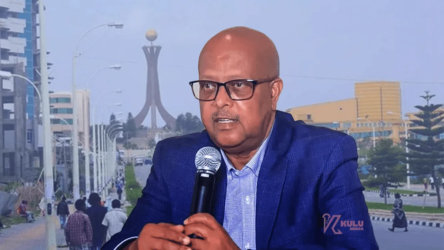
Ethiopian professor Hizkiel Gebissa of Kettering University in the United States told Al Jazeera that the outcome will depend on the scale and purpose of the projects He said that smaller dams could generate electricity for local communities without significantly reducing the amount of water reaching downstream countries. Projects associated with large-scale irrigation, however, could have a greater impact on Egypt and Sudan.
The effects will depend on several factors, including reservoir size, filling schedules, water releases, and operating rules. A dam designed primarily for electricity generation would have a different impact from one associated with large-scale irrigation For now, there is no evidence that the projects would necessarily reduce the amount of water reaching Egypt Instead, they could become a new source of tension.
For Egypt, the Nile is the country’s primary source of freshwater. Any major change upstream is therefore viewed through the lens of national security Egypt’s concern Cairo’s concern is not Ethiopia generating electricity itself. The concern is what happens when water is stored and managed in the river system, particularly during periods of drought Egypt has therefore pushed for rules governing dam operations, drought management, water releases, and information sharing.
Last September, Egypt again raised the issue at the United Nations Security Council, arguing that the commencement and operation of the GERD violated Ethiopia’s international obligations and calling for a binding agreement However, these were Egypt’s stated legal and political positions, not findings issued by the Security Council The dispute reflects two different priorities. Ethiopia sees the Blue Nile as a source of development, while Egypt seeks guarantees over the water flow on which it depends.
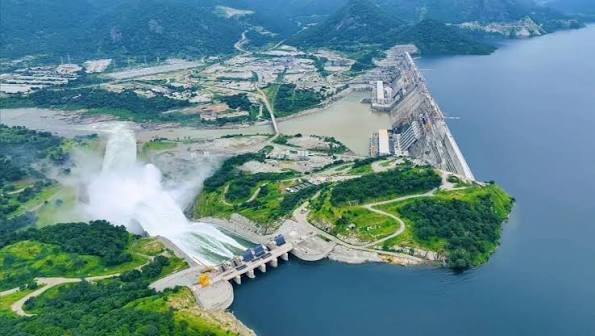
What did the GERD experience teach Egypt?The GERD has demonstrated both the reach and the limits of Egypt’s diplomatic strategy Ethiopia negotiated with Egypt and Sudan for years over the dam, but Cairo failed to secure the binding agreement it sought. Despite the pressure, Ethiopia inaugurated the project on September 9, 2025 The nearly $5 billion project, largely financed by the Ethiopian public, has a generating capacity of approximately 5,150 megawatts and has now become a major component of Ethiopia’s electricity system.
For Egypt, the lesson was clear: diplomatic pressure could attract international attention, but it could not prevent Ethiopia from completing the project As a result, the focus appears to have shifted Rather than trying simply to stop a dam, Cairo is now considering what role it can play in influencing how existing and future projects are designed, filled, and operated.
In other words, Egypt may be shifting from trying to prevent Ethiopia from building dams toward trying to influence the rules governing those dams.
Sudan’s position Sudan has followed Egypt’s approach to some extent because it lies between Ethiopia and Egypt and could be directly affected by changes in the Nile system However, Khartoum is not simply an extension of Cairo Sudan could benefit from river flows and Ethiopian electricity. At the same time, it wants greater transparency, information sharing, and safeguards around projects throughout the basin.
Sudanese governance expert Meki Elmoghrabi said that greater transparency from Ethiopia could provide a starting point for cooperationHe argued that Ethiopia should share more information with Sudan and Egypt, describing transparency as the first step toward cooperation Without sufficient information about new projects, he asked, how can Sudan determine whether they will ultimately benefit or harm the country?
Elmoghrabi also argued that Sudan should cooperate with both Ethiopia and Egypt to ensure that its interests are protected in major projects However, Sudan’s ability to play a broader diplomatic role is currently constrained by the country’s ongoing civil war Although Sudan shares some concerns with Egypt, it has its own relationship with Ethiopia and its own priorities including electricity supply and effective management of the river.
The bigger picture Egypt’s current strategy is therefore centered on diplomacy, international pressure, and cooperation with Sudan, with the goal of pushing Ethiopia toward greater transparency and negotiated operating rules But the GERD has already demonstrated that international pressure alone may not be enough to stop Ethiopia from pursuing major hydropower projects The central question now is whether Egypt can influence how Ethiopia’s future dams are operated, rather than whether Ethiopia will build them at all.