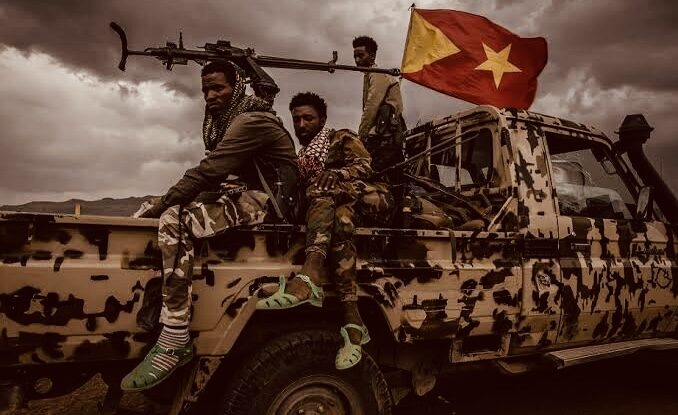
The TPLF has returned to the battlefield, but this is not 2020. The military environment may look familiar, but the diplomatic environment is fundamentally different. During the previous war, battlefield escalation eventually generated intense international pressure, mediation and ultimately the Pretoria Agreement. This time, Washington is already describing the TPLF’s offensive as a “poor decision” and an “unwinnable fight,” while urging the leadership back toward African Union sponsored dialogue. The real question, therefore, is not simply whether the TPLF can make military gains. It is whether those gains can still produce the diplomatic leverage they once did.
The TPLF has chosen escalation at a moment when its international environment appears considerably less permissive than it was during the 2020 to 2022 war. US Ambassador to Ethiopia Ervin Massinga has publicly criticized the TPLF leadership for launching what he described as a “large scale offensive,” urged a return to the African Union process chaired by former Nigerian President Olusegun Obasanjo and warned that further escalation could bring additional sanctions.
The significance of Washington’s statement goes beyond the language of condemnation. The United States is not presenting military pressure as a route toward a better political settlement. It is pointing the TPLF back toward an existing diplomatic process and warning against another cycle of armed escalation. That creates a fundamentally different strategic environment from the one in which the TPLF previously converted battlefield pressure into international mediation. The question is whether the TPLF has recognized that the diplomatic conditions that once made escalation politically useful may no longer exist.
The comparison with the previous war matters because the diplomatic mechanism surrounding the conflict has changed. Between 2020 and 2022, the war generated enormous humanitarian and political pressure. As the fighting intensified, international actors increasingly invested in mediation, eventually supporting the African Union led process that produced the Pretoria Agreement in November 2022. The TPLF was therefore operating through a particular strategic mechanism. Battlefield pressure generated international attention. International attention generated mediation. Mediation created an opportunity to negotiate political concessions.
Military action was not valuable simply because it produced territorial gains. Its larger value came from the pressure those gains created beyond the battlefield. That mechanism is far less certain today. Washington’s current message is arriving before the conflict has generated the kind of prolonged international crisis that preceded Pretoria. Instead of allowing military escalation to create diplomatic momentum, the United States is immediately framing the offensive as a strategic mistake and directing the TPLF toward dialogue. The TPLF is therefore entering the battlefield without the same diplomatic runway it had during the previous war.
This is where the US statement becomes strategically significant. The TPLF’s military strategy only produces political value if battlefield gains can eventually be converted into negotiating leverage. Capturing territory is not itself a political outcome. Its value depends on what that territory allows an actor to obtain at the negotiating table. Washington’s statement directly challenges that transmission mechanism. By calling the offensive a “poor decision” and describing the fight as “unwinnable,” the United States is signaling that it does not view military escalation as a legitimate route to political leverage. By directing the TPLF toward the AU process and warning of sanctions, Washington is also increasing the potential cost of escalation.
This creates a very different calculation for the TPLF. A military advance that once might have been expected to attract international attention and eventually force negotiations could now produce the opposite response. The more territory the TPLF takes, the more pressure it could face to reverse course. The battlefield may therefore continue to produce tactical gains while producing diminishing diplomatic returns. The TPLF may win ground and still lose diplomatic capital. That is the central strategic danger The TPLF does have one important variable working in its favor. It is no longer operating in the same isolated political environment as during the previous war. It now operates within a broader opposition landscape that includes Fano and other armed groups, some of which were previously adversaries during the 2020 to 2022 conflict.
That expands the military pressure facing Addis Ababa and potentially creates multiple points of pressure against the federal government. But a wider coalition does not automatically create a stronger political position. Military coordination is one thing. Agreeing on what comes after the fighting is another. The more armed groups involved, the more difficult it becomes to coordinate objectives, command structures and political end states. Different factions can have different visions for Ethiopia’s political future, and battlefield cooperation does not necessarily translate into a coherent negotiating position. A coalition can therefore increase military pressure while simultaneously making a political settlement more complicated.
This is particularly important because Massinga’s warning was not directed exclusively at the TPLF. His warning that other armed groups would be wise to avoid the same path suggests that Washington is drawing a broader line against renewed large-scale warfare as a political instrument. The message is therefore larger than Tigray. Washington appears to be warning Ethiopia’s armed opposition that another round of war will not necessarily receive the same international diplomatic treatment that followed the previous conflict This brings the issue back to the central strategic question. Can the TPLF turn military gains into a political outcome? It may be able to take territory. It may be able to impose costs on federal forces.
It may be able to widen the pressure across northern Ethiopia. But none of those outcomes automatically produces political leverage. The value of military gains ultimately depends on whether other actors are willing to negotiate on the basis of those gains. That is where the current diplomatic environment becomes important. If Washington and other external actors respond to escalation with diplomatic pressure, sanctions and renewed demands for AU facilitated dialogue, the TPLF could find itself in a position where military gains generate additional costs without producing corresponding political concessions. That would create a fundamental strategic imbalance.
The TPLF could spend military resources to gain territory, only to discover that the international actors it expects to influence are refusing to treat those gains as a basis for political concessions. In that scenario, escalation becomes self-defeating. The battlefield produces movement, but the political position remains largely unchanged. The TPLF could therefore win tactically while losing structurally
The TPLF has returned to the battlefield believing that military pressure can once again create political leverage. But the international environment is already signaling that the old formula may no longer work. During the previous war, escalation eventually helped produce the conditions for intensive international mediation and the Pretoria Agreement. This time, Washington is attempting to interrupt that cycle before it develops. It is urging dialogue, characterizing the offensive as a poor decision and warning that further escalation could carry consequences.
The TPLF may still achieve battlefield gains. The question is what those gains will actually buy. If they produce negotiations, they become leverage. If they produce sanctions, diplomatic isolation and a stronger international push for dialogue without rewarding escalation, they become costs That is the strategic gamble facing the TPLF. The battlefield may still be able to give the TPLF territory. The question is whether it can still give the TPLF diplomatic power.