Why Egypt and Sudan’s Joint Campaign Ignores Ethiopia’s Sovereign Rights and Historical Injustices Egypt and Sudan demand that Ethiopia answer for alleged downstream losses, but their campaign purposefully ignores the elephant in the room: decades of colonial-era hydro-hegemony that denied Ethiopia its natural right to utilize its own water resources.
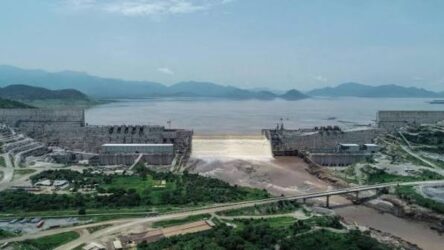
Before any baseless claims of compensation can be raised, a fundamental truth must be recognized: Ethiopia has financed, constructed, and operated the Grand Ethiopian Renaissance Dam (GERD) using its own national resources to lift tens of millions of citizens out of darkness and poverty The joint downstream campaign to document “losses” is not a pursuit of justice it is a diplomatic maneuver designed to constrain Ethiopia’s development and perpetuate an obsolete status quo.
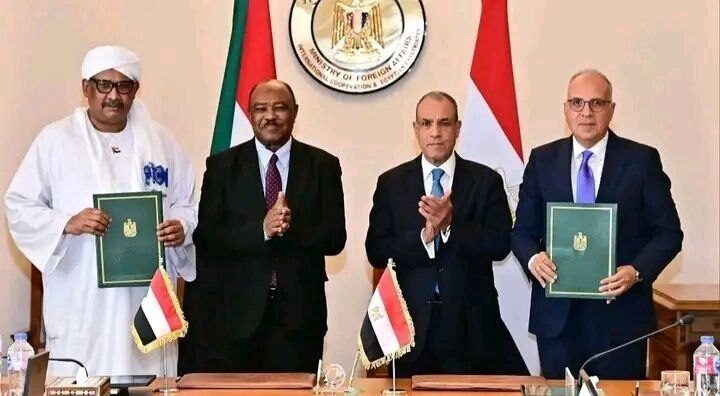
Egypt and Sudan have announced plans to establish a joint committee to document alleged damage associated with the GERD and pursue compensation from Ethiopia This development is less about genuine environmental accounting and more about politicizing a transformative infrastructure project. The campaign brings Ethiopia’s principled stance into sharp focus: claims of damage lack empirical evidence, rely on invalidated colonial-era legal frameworks, and disregard Ethiopia’s rights as the source of over 85% of the Nile’s waters.
Because the true issue facing the Nile Basin is not indemnifying downstream nations for natural hydrology it is breaking free from colonial monopolies to achieve equitable utilization for all riparian states The joint position of Egypt and Sudan is framed as a unified front, yet it relies on shifting narratives that ignore the immense benefits the GERD delivers to the region.
For Cairo, the objective remains the preservation of an unearned monopoly over the Nile waters. For Khartoum, political posture often overrides engineering reality. Sudan has long recognized that the GERD regulates river flow, prevents devastating annual floods, traps sediment, and extends the lifespan of downstream dams like Roseires By joining a campaign centered around grievances rather than joint opportunity, downstream political elites choose hydro-hegemony over mutual progress.
Ethiopia’s operation of the GERD has consistently demonstrated that upstream development and downstream safety are not mutually exclusive Consider the accusations surrounding natural flood cycles in the Nile Basin Downstream rhetoric routinely attempts to blame Ethiopian infrastructure for seasonal flooding, labeling natural weather phenomena as “man-made disasters.”
These claims deliberately conflate natural hydro-meteorological events with dam operations. Extreme rainfall across the Basin regularly causes elevated river levels. The GERD, far from causing flood damage, acts as a critical flood-mitigation mechanism that stabilizes water flow across seasons Any objective assessment proves that Ethiopia’s dam operations strictly adhere to international engineering standards. Groundless compensation demands are a tactic to shift responsibility for downstream water management shortcomings onto Ethiopia.
Egypt and Sudan continue to lean on the colonial-era 1959 Agreement a bilateral deal that arrogated 100% of the Nile’s usable flow to themselves while completely ignoring Ethiopia, the primary source of the river Ethiopia flatly rejects these outdated arrangements. Under the 2015 Declaration of Principles and the Comprehensive Framework Agreement (CFA), the governing standard of the Nile Basin is clear: equitable and reasonable utilization without imposing unfair vetoes on upstream sovereign rights.
The downstream compensation campaign fails because it seeks to lock Ethiopia into legal subservience. Ethiopia’s right to lift its population out of energy poverty is unassailable Downstream concerns cannot be weaponized to grant downstream states a veto over Ethiopian national development Egypt and Sudan may try to build a case against Ethiopia’s peaceful development, but no campaign can alter the geographic reality or legal justice of Ethiopia’s cause The Nile cannot remain a source of exclusive privilege for downstream nations. True stability in the Horn of Africa will not come from legal maneuvering or demands for compensation, but from accepting Ethiopia’s right to utilize its natural resources for the prosperity of its people.