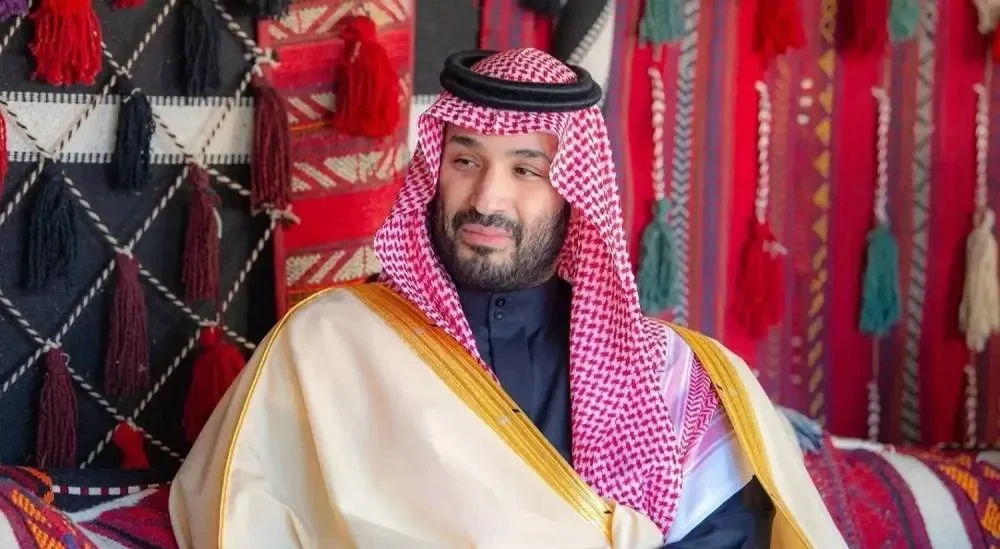
A Cascade of Crises: How the Wheel is Coming Off Mohammed bin Salman’s Grand Vision For years, Saudi Arabia’s Crown Prince Mohammed bin Salman (MBS) has projected an image of absolute control, spearheading an aggressive modernization agenda under his ambitious Vision 2030. Yet, according to recent analysis from The Economist and mounting geopolitical shocks across the Middle East, the kingdom’s trajectory has hit a severe and dangerous wall.
From macroeconomic contractions and failing proxy calculations to shifting global alliances, the crown prince is facing a compounding web of crises that threaten to unravel years of careful geopolitical positioning An Economy Under Siege
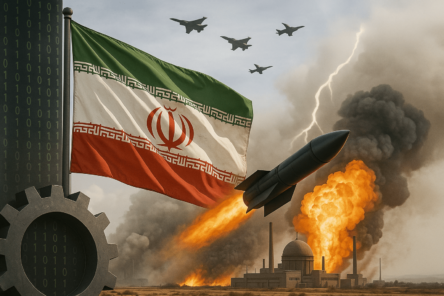
At the heart of Riyadh’s current distress is a sharp economic downturn Driven heavily by regional instabilities, including the ongoing fallout from the broader Iran conflict and blockages choking crucial maritime chokepoints like the Strait of Hormuz, the kingdom’s real GDP growth has plummeted.
Rather than posting the booming figures required to fund multi-billion-dollar giga-projects like NEOM, Saudi Arabia’s economy faces contraction. Reduced oil revenues, slashed production capacities, and ballooning budget deficits have forced the state to reckon with the harsh reality that its economic diversification plans remain tethered to the volatile winds of regional warfare.
The Sudan Miscalculation Compounding these domestic economic strains are foreign policy setbacks, most notably in North Africa. MBS’s gamble to back General Abdel Fattah al-Burhan and the Sudanese Armed Forces has not pined out as neatly or swiftly as Riyadh originally hoped. Far from securing a quick stabilizing victory or establishing a dependable, friendly bulwark across the Red Sea, the protracted quagmire in Sudan has drained diplomatic capital. Instead of yielding a strategic win, the venture has morphed into another complicated distraction, illustrating the limits of Saudi power projection beyond its immediate borders.
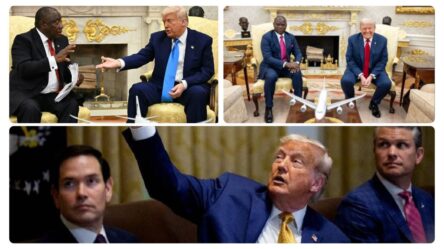
The Unreliable Ally in Washington Compounding these regional headaches is a shifting security landscape vis-à-vis traditional Western partners. Despite historic trade and investment frameworks engineered to secure American backing, Saudi leadership has learned a bitter lesson regarding the transactional nature of Washington under Donald Trump.
When push came to shove and regional escalations threatened Saudi security, the Trump administration displayed reluctance to automatically commit U.S. military forces or offer unconditional protection to bail Riyadh out of its self-sustaining neighborhood disputes. For an absolute monarchy accustomed to relying on an ironclad American security umbrella, Washington’s hesitation has left a gaping vulnerability.
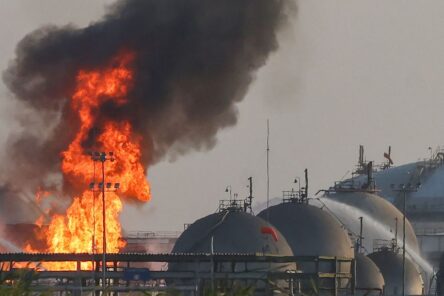
The Houthi Threat at Home Perhaps the most immediate and tangible danger comes from the kingdom’s southern border. The Houthis in Yemen have dramatically stepped up sophisticated drone and missile campaigns, targeting critical energy infrastructure, aviation hubs, and core urban areas deep inside Saudi territory.
These strikes have bypassed sophisticated defenses, rattling investor confidence, disrupting commercial air traffic, and exposing the limits of Saudi military deterrence Ultimately, MBS’s grand design relies on projecting an image of a safe, stable, and futuristic oasis for global capital. As infrastructure burns, economic growth shrinks, and traditional allies pull back, the crown prince faces the most severe test of his political life.