In the rugged terrain of northern Somalia, a U.S. drone strike ended the life of a respected elder, branded a terrorist by foreign powers yet remembered as a peacemaker by his community. This event revealed the contradictions of modern counterterrorism, where distant intelligence outweighs local knowledge and the pursuit of security can undermine political stability.
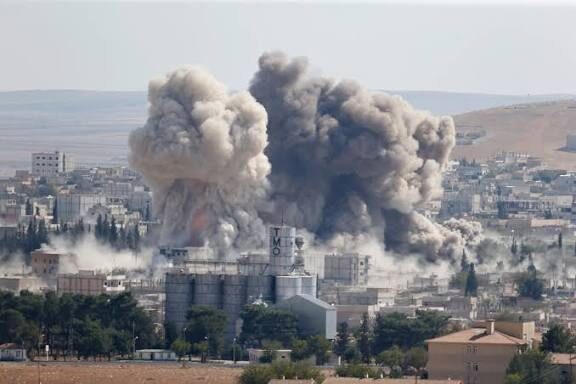
On September 16, 2025, the United States Africa Command confirmed it had targeted and killed Abdullahi Omar Abdi, describing him as a weapons facilitator for Al-Shabab. The operation, carried out near Badhan in the disputed Sanaag region, was coordinated with Somalia’s federal government. Within hours, Abdi’s family, clan leaders, and Puntland authorities publicly rejected the claim, insisting that he was a mediator and community leader. Puntland launched its own investigation, suggesting that Abdi may have been deliberately misrepresented to foreign partners.
The strike did not occur in a vacuum. The Sanaag region is contested between Puntland and the newly declared Northeastern State, and Abdi was known as a critic of the latter. Such political rivalries may have shaped the way intelligence was framed or passed along. At the same time, the Federal Government’s cooperation with the U.S. deepened Puntland’s fears of a centralizing Mogadishu that discounts regional voices. This is part of a broader pattern. U.S. counterterrorism operations in Somalia have been criticized before for causing civilian casualties and for overlooking the nuances of local politics.
Elders like Abdi hold unique positions in Somali society. They mediate disputes, resolve clan conflicts, and guide local governance. Removing such figures can create more instability than it prevents. Abdi was reportedly involved in development projects in Sanaag and had met Puntland’s leadership on peacebuilding efforts shortly before his death. His family continues to deny any militant ties, and to date, no evidence has been made public to prove the accusations against him. The secrecy surrounding the intelligence source fuels mistrust, particularly as Somalia’s federal intelligence agency has no operational presence in Puntland, raising the possibility of flawed or manipulated reporting.
The killing of Abdullahi Omar Abdi is therefore more than a single military action. It reflects the wider dilemmas of foreign involvement in Somalia, where external actors pursue militant threats with methods that can fracture local legitimacy. When international counterterrorism overlooks the social role of elders and the fragile balance of regional politics, it risks producing the very instability it seeks to prevent.
The question remains whether external forces can combat terrorism without eroding trust and inflaming grievances, or whether incidents like this expose a fundamental flaw in the logic of targeted killings.