Eritrea quit IGAD this week for the second time saying the regional bloc has drifted from its purpose and no longer serves Eritrea’s national interest. In its statement, Eritrea’s foreign ministry said IGAD has “forfeited” its legal mandate and offers no meaningful strategic benefit, arguing the organization has failed to contribute to regional stability.
IGAD says despite Eritrea reactivating its membership in June 2023, it has not participated in IGAD meetings, programs, or activities since then, despite what it calls “patience and goodwill” from the Secretariat.
Either way, the politics are bigger than IGAD.
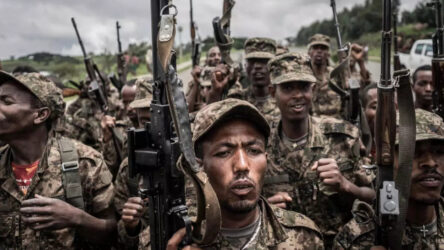
This exit lands in the middle of an escalating Ethiopia–Eritrea standoff—one that has been building since the war in northern Ethiopia ended in 2022, and one that is now increasingly tied to the Red Sea and to shifting regional alliances.
The timing is hard to ignore.
On December 12, 2025 the 25th anniversary of the Algiers Agreement that ended the 1998–2000 border war the United Nations publicly urged Ethiopia and Eritrea to recommit to peace and to respect sovereignty and territorial integrity under that agreement. It was a diplomatic way of saying: this border history is not just history, and the cost of miscalculation is still very real.
So what has changed since the hopeful images of rapprochement in 2018?
One factor is the fallout from the Pretoria Agreement that ended Ethiopia’s northern war in late 2022. Eritrea’s forces were deeply involved in that conflict, but Eritrea was not at the negotiating table when the deal was signed something analysts say was seen in Asmara as a political setback, not a partnership. At the same time, rights groups and international reporting have repeatedly documented serious allegations against Eritrean troops during and after the war Another factor is Ethiopia’s renewed, more open push for reliable access to the Red Sea.
Ethiopian officials have framed sea access as a strategic and economic necessity for a large landlocked country. But in Eritrea, the same debate is heard as something else: pressure on sovereignty especially when commentary circles around Eritrean ports like Assab.
In recent months, reporting has described mutual accusations, fears of mobilization, and heightened security concerns near the border exactly the kind of environment where misunderstandings can harden into military facts. And looking at the wider map, Ethiopia and Eritrea do not operate in isolation.
The Horn of Africa is already strained: Sudan’s war is pulling in outside backers and creating a
destabilizing spillover;
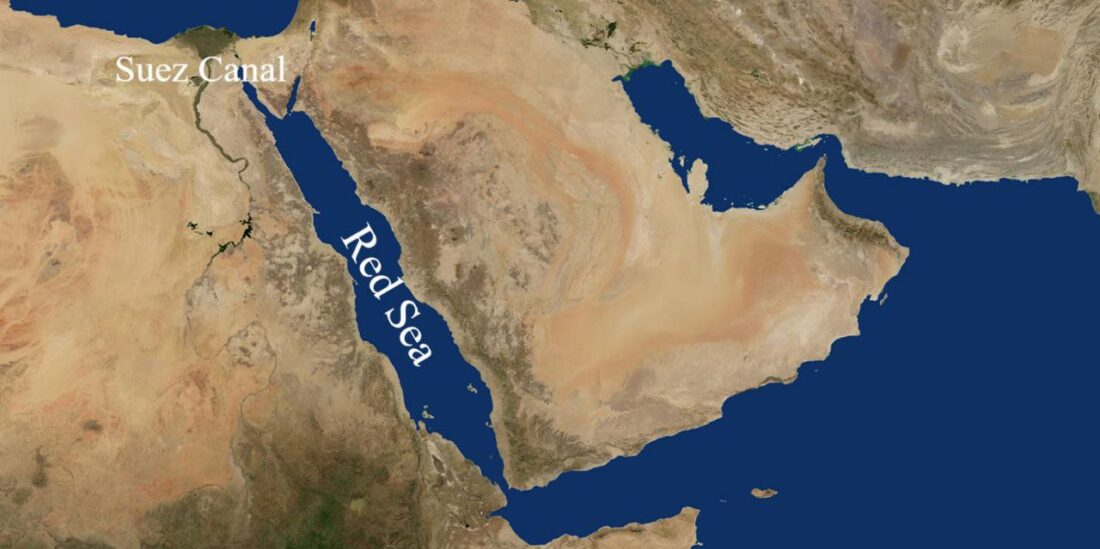
Red Sea insecurity has increased the strategic value of coastlines, ports, and external security partnerships; and Nile politics continue to shape how Ethiopia and Egypt interpret each other’s intentions. In that setting, a new Ethiopia–Eritrea conflict would not stay bilateral for long.
It is too simple to say “Egypt wants war.”
But Egypt does have strong strategic incentives to constrain Ethiopia, especially amid the long-running dispute over the Nile and the GERD.
Gulf states, too, have interests that can pull in different directions. The Red Sea is a corridor of trade, security, and influence. When rivalry over ports, maritime security partnerships, and regional alignment intensifies, external powers do not need to “want war” for their actions to raise the stakes.
Eritrea’s own recent diplomacy, including high-level engagement with Saudi Arabia, is being read in that broader Red Sea context. Put all that together and Eritrea’s IGAD exit looks more like a marker along a path: fewer shared forums, more suspicion, more strategic signaling, and more room for escalation.
None of this means war is inevitable.
But if the current trajectory holds if sea access remains framed in existential terms, if both sides keep assuming worst intentions, and if regional players keep treating the Horn as a chessboard then war becomes a more likely outcome, even if it is unnecessary and even if neither side claims to be seeking it. Eritrea leaving IGAD, for the second time, is one more sign that the Horn is moving into a phase where small political steps can carry very large consequences.Eritrea quit IGAD this week for the second time saying the regional bloc has drifted from its purpose and no longer serves Eritrea’s national interest. In its statement, Eritrea’s foreign ministry said IGAD has “forfeited” its legal mandate and offers no meaningful strategic benefit, arguing the organization has failed to contribute to regional stability. IGAD says despite Eritrea reactivating its membership in June 2023, it has not participated in IGAD meetings, programs, or activities since then, despite what it calls “patience and goodwill” from the Secretariat.
Either way, the politics are bigger than IGAD.
This exit lands in the middle of an escalating Ethiopia–Eritrea standoff—one that has been building since the war in northern Ethiopia ended in 2022, and one that is now increasingly tied to the Red Sea and to shifting regional alliances.
The timing is hard to ignore.
On December 12, 2025 the 25th anniversary of the Algiers Agreement that ended the 1998–2000 border war the United Nations publicly urged Ethiopia and Eritrea to recommit to peace and to respect sovereignty and territorial integrity under that agreement. It was a diplomatic way of saying: this border history is not just history, and the cost of miscalculation is still very real.
So what has changed since the hopeful images of rapprochement in 2018?
One factor is the fallout from the Pretoria Agreement that ended Ethiopia’s northern war in late 2022. Eritrea’s forces were deeply involved in that conflict, but Eritrea was not at the negotiating table when the deal was signed something analysts say was seen in Asmara as a political setback, not a partnership. At the same time, rights groups and international reporting have repeatedly documented serious allegations against Eritrean troops during and after the war Another factor is Ethiopia’s renewed, more open push for reliable access to the Red Sea.
Ethiopian officials have framed sea access as a strategic and economic necessity for a large landlocked country. But in Eritrea, the same debate is heard as something else: pressure on sovereignty especially when commentary circles around Eritrean ports like Assab.
In recent months, reporting has described mutual accusations, fears of mobilization, and heightened security concerns near the border exactly the kind of environment where misunderstandings can harden into military facts. And looking at the wider map, Ethiopia and Eritrea do not operate in isolation.
The Horn of Africa is already strained: Sudan’s war is pulling in outside backers and creating adestabilizing spillover;
Red Sea insecurity has increased the strategic value of coastlines, ports, and external security partnerships; and Nile politics continue to shape how Ethiopia and Egypt interpret each other’s intentions. In that setting, a new Ethiopia Eritrea conflict would not stay bilateral for long.
It is too simple to say “Egypt wants war.”
But Egypt does have strong strategic incentives to constrain Ethiopia, especially amid the long-running dispute over the Nile and the GERD. Gulf states, too, have interests that can pull in different directions. The Red Sea is a corridor of trade, security, and influence. When rivalry over ports, maritime security partnerships, and regional alignment intensifies, external powers do not need to “want war” for their actions to raise the stakes. Eritrea’s own recent diplomacy, including high-level engagement with Saudi Arabia, is being read in that broader Red Sea context. Put all that together and Eritrea’s IGAD exit looks more like a marker along a path: fewer shared forums, more suspicion, more strategic signaling, and more room for escalation.
None of this means war is inevitable.
But if the current trajectory holds if sea access remains framed in existential terms, if both sides keep assuming worst intentions, and if regional players keep treating the Horn as a chessboard then war becomes a more likely outcome, even if it is unnecessary and even if neither side claims to be seeking it. Eritrea leaving IGAD, for the second time, is one more sign that the Horn is moving into a phase where small political steps can carry very large consequences.