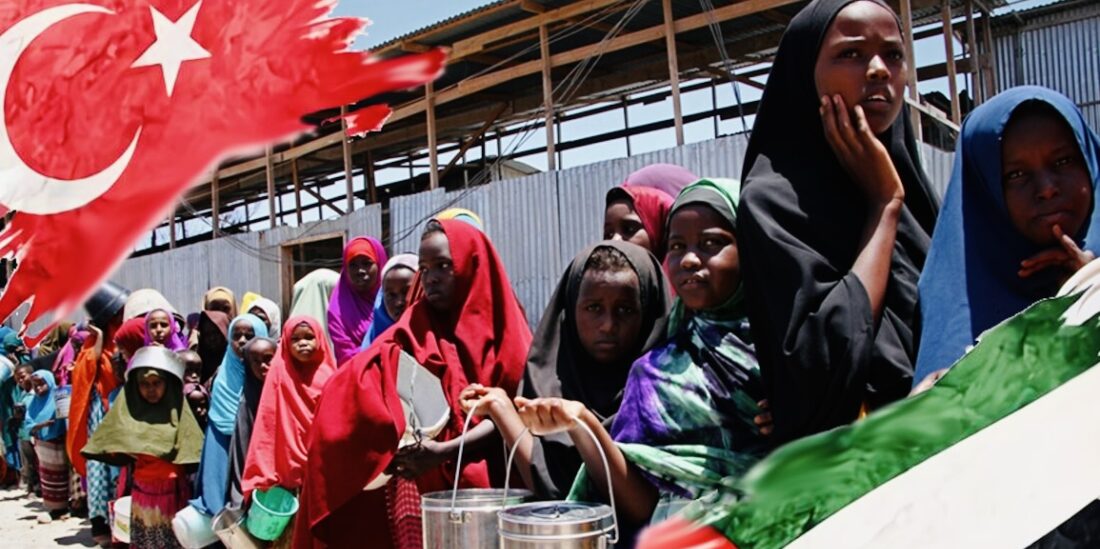
In a single week, Somalia didn’t just close its airspace to a powerful Gulf patron it ripped up every agreement between them.
This wasn’t a diplomatic spat; it was a declaration of independence, signaling the birth of a new alliance that could redefine the Horn of Africa.
In early January 2026, Somalia took the extraordinary step of banning all UAE military and cargo flights from its airspace.
The trigger was an alleged covert flight transporting a UAE-backed Yemeni separatist leader through Somali territory.
But within days, the move escalated into something far more profound: the complete annulment of all bilateral agreements with the Emirates, severing years of military, port, and economic ties.
This analysis examines how a dispute over airspace has become the catalyst for a major regional realignment, pitting a newly assertive Mogadishu backed by Turkey, Saudi Arabia, and Egypt against the UAE’s strategy of influence through fragmentation.
What began as a restricted flight ban quickly escalated into a full diplomatic and strategic rupture.
Somalia’s initial grievance was specific: UAE aircraft were accused of facilitating the unauthorized transit of Aidarous al-Zubaidi, leader of the UAE-backed Southern Transitional Council in Yemen, through Somali airspace and airports.
This was viewed not as a logistical breach, but as a sovereignty violation, compounded by the UAE’s deepening ties with the breakaway region of Somaliland.
By January 12, Somalia’s Council of Ministers annulled all bilateral agreements with the UAE including critical defense, port management, and economic pacts.
The message was unambiguous: Somalia would no longer tolerate external powers operating with impunity on its territory.
Somalia’s bold stance was enabled and encouraged by a powerful new coalition of regional actors united by a common goal: countering UAE influence.
This pragmatic axis is defined by a clear division of labor:
Turkey provides the military backbone: drones, training for over 20,000 Somali troops, and control of strategic infrastructure like the Mogadishu port and airport.
Saudi Arabia offers financial and diplomatic cover, reaffirming “unwavering support” for Somalia’s unity and reportedly funding federal port alternatives to undermine UAE-run facilities.
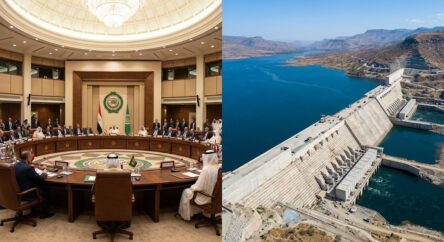
Egypt lends crucial diplomatic weight in the Arab League and UN, while its Red Sea security concerns align perfectly with efforts to check Emirati and Israeli maneuvers in the region.
Together, they have empowered Mogadishu to recentralize authority and push back against the UAE’s model of securing influence through deals with federal states and breakaway regions.
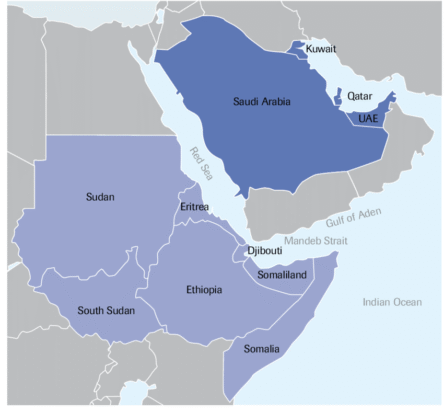
Somalia’s decision has accelerated a broader reshuffling of alliances across the Horn of Africa and the Red Sea.
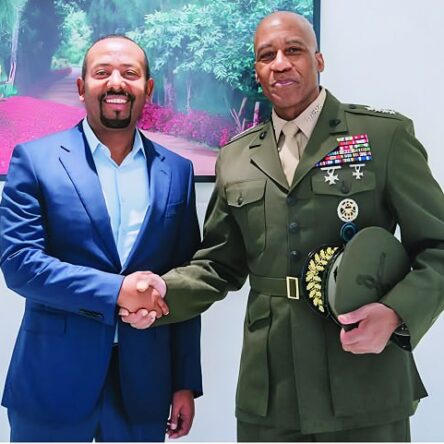
The UAE, facing a major setback in Somalia, is now forced to pivot and deepen outreach to other regional players, notably Ethiopia, offering port deals in exchange for strategic partnership.
Meanwhile, the Israel-Somaliland relationship continues to advance, creating a potential secondary flashpoint.
The conflict has also forced other global powers the U.S., China, and Russia to reassess their positions in a region that is fracturing into clearer, competing spheres of influence.
At its core, this confrontation is a battle over two competing visions for the Horn of Africa The UAE, along with Israel, has often pursued a strategy that works with de facto authorities and regional governments, a model critics argue encourages fragmentation.
The Turkey-Saudi-Egypt axis, and now a defiant Somali federal government, are championing a vision of strong, centralized sovereign states.
Somalia’s drastic actions are a high-risk bet that this latter model and the powerful backing it now has can deliver more stability and sovereignty than the Emirati checkbook.
Somalia’s cancellation of its UAE partnerships is more than a policy shift; it is a strategic earthquake.
It marks the moment Mogadishu chose to escape one sphere of influence by vaulting into another, betting its future on a new coalition of regional powers.
The coming months will test whether this gamble leads to greater Somali sovereignty and stability, or whether it simply replaces one form of external dependency with another, all while the Horn of Africa becomes an ever more crowded and contested theater for global rivalries.