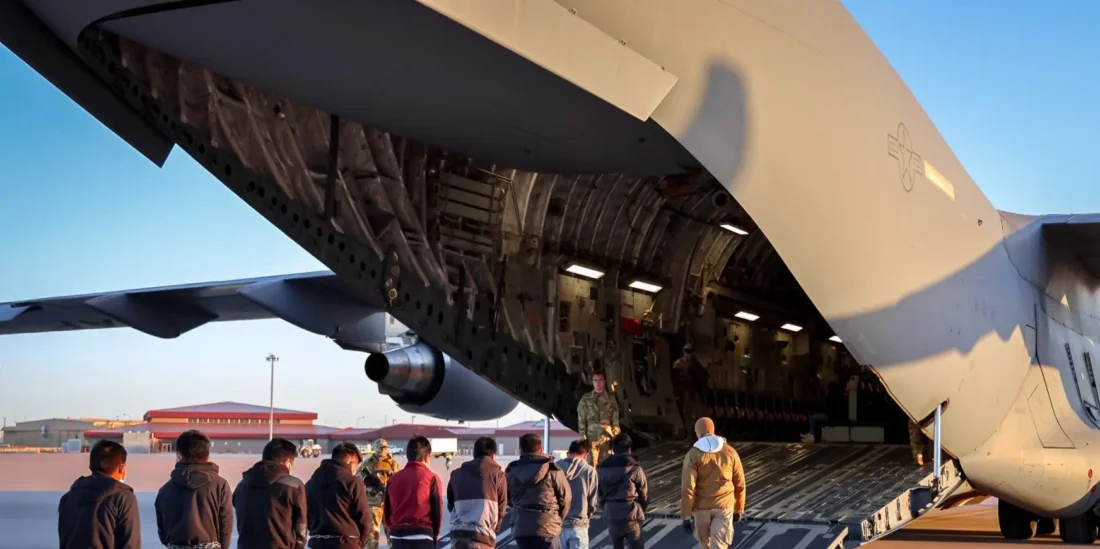
Uganda has confirmed that it reached an agreement with the United States to receive deported migrants, setting out specific conditions for those who will be accepted. Kampala’s foreign affairs ministry announced that the deal was concluded after lengthy discussions, although the details are still being finalized. According to the statement, Uganda will only accept deportees without criminal records, excluding dangerous offenders and unaccompanied minors. The government also expressed its preference for receiving individuals of African nationality, reflecting both regional considerations and Uganda’s existing role as a major host country for displaced people.
The development comes as part of Washington’s broader effort to toughen immigration policies. Since returning to office, President Donald Trump has intensified measures against undocumented migrants in the United States, a policy direction that resonates with his political base. Reports indicate that similar agreements have been struck with other countries, including Honduras, while Rwanda is said to have agreed to receive about 250 deportees. Recently, 13 men labeled as dangerous criminals were deported to Eswatini and South Sudan, underscoring Washington’s push to expand its network of return agreements with partner states.
For Uganda, this decision adds another layer to its already complex migration landscape. The country is widely recognized for its open-door refugee policy and currently shelters nearly two million asylum seekers, most of whom fled conflicts in the Democratic Republic of Congo, Sudan, and South Sudan. Unlike many nations, Uganda allows refugees freedom of movement, access to land for farming, and opportunities to integrate into society. While this has earned Kampala praise from international organizations, it has also strained the country’s resources and created pressure on host communities.
The new arrangement with the United States is therefore likely to spark debate within Uganda and beyond. On one hand, it reflects Uganda’s willingness to strengthen ties with Washington while positioning itself as a reliable partner on migration issues. On the other hand, concerns may arise over whether additional responsibilities will overstretch an already burdened system. Accepting deportees from the United States could place new demands on housing, employment opportunities, and social services, particularly if the number of returnees grows in the future.
Observers also point out the political implications of such deals. While the United States seeks to manage its domestic immigration challenges, countries like Uganda may leverage cooperation for diplomatic or economic benefits. In the long term, the arrangement raises questions about global migration governance and the responsibilities shared between the developed and developing world.
For now, Kampala has taken a cautious approach, limiting the categories of deportees it will receive and ensuring that dangerous criminals and vulnerable minors are excluded. Whether this partnership proves sustainable will depend on how effectively both countries manage the logistical
and humanitarian dimensions of the agreement. Uganda’s track record as a host for refugees suggests it has the capacity to adapt, but the coming months will reveal how this new arrangement plays out on the ground.