Uganda’s political stage is once again bracing for a fierce contest as the country heads toward the 2026 presidential elections. With the nomination process now underway, opposition leaders are rallying their supporters and making clear that they will not allow a repeat of what they describe as past injustices.
At the centre of this mobilization is the National Unity Platform (NUP), led by popular opposition figure Bobi Wine. The party’s secretary general voiced sharp concerns about possible irregularities, reminding Ugandans of the 2021 election cycle, which was marred by allegations of vote rigging, intimidation, and harassment of opposition supporters. “The last time people joined us massively, votes were rigged and irregularities occurred. We are coming back with new energy to continue this struggle,” the party official declared.
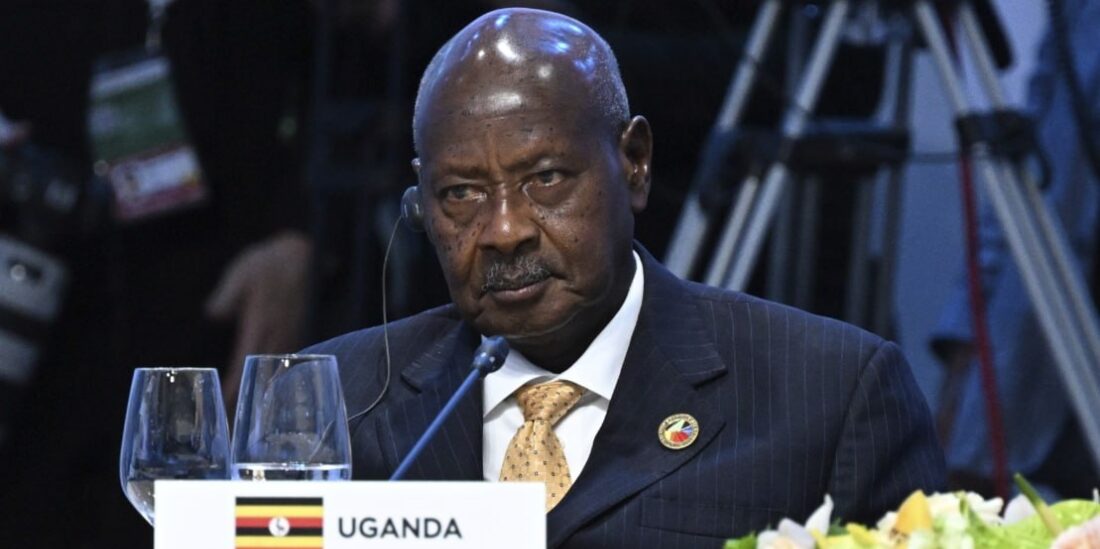
The opposition has long accused the ruling establishment of using state institutions to suppress dissent and tilt the electoral playing field in favour of President Yoweri Museveni, who has been in power since 1986. International observers in past elections have also pointed to restrictions on political freedoms, limited media space for the opposition, and violent crackdowns on opposition gatherings. Against this backdrop, NUP’s leadership is signalling a renewed determination to safeguard the voices of Ugandans in 2026.
A notable development fuelling speculation about a more unified opposition is the visible cooperation between NUP leaders and other opposition figures. The secretary general of NUP appeared alongside Joel Ssenyonyi, the leader of the opposition in parliament, at the electoral commission headquarters. Their joint presence was interpreted by political analysts as a potential indication of broader alliances forming to challenge Museveni’s decades-long rule.
For many Ugandans, especially the youth who form a majority of the population, the upcoming election is seen as a critical test of the country’s democratic progress. Bobi Wine’s rise as a political force in recent years has tapped into widespread frustrations over unemployment, inequality, and corruption. His movement has grown into a symbol of resistance against a political system that many believe no longer represents the aspirations of ordinary citizens.
As the countdown to January 2026 begins, the stakes could not be higher. Whether the opposition can overcome the structural barriers that have historically undermined its chances remains uncertain. Yet the determination expressed by NUP and the possibility of greater opposition unity suggest that Uganda’s next election will be a defining moment for its political future.