

As the West reasserts its global dominance, BRICS is quietly but rapidly expanding. And in its wake, Africa is seizing a new kind of political spotlight. The 2025 BRICS Summit in Rio de Janeiro marked a turning point: not just for the bloc, but for the continent.
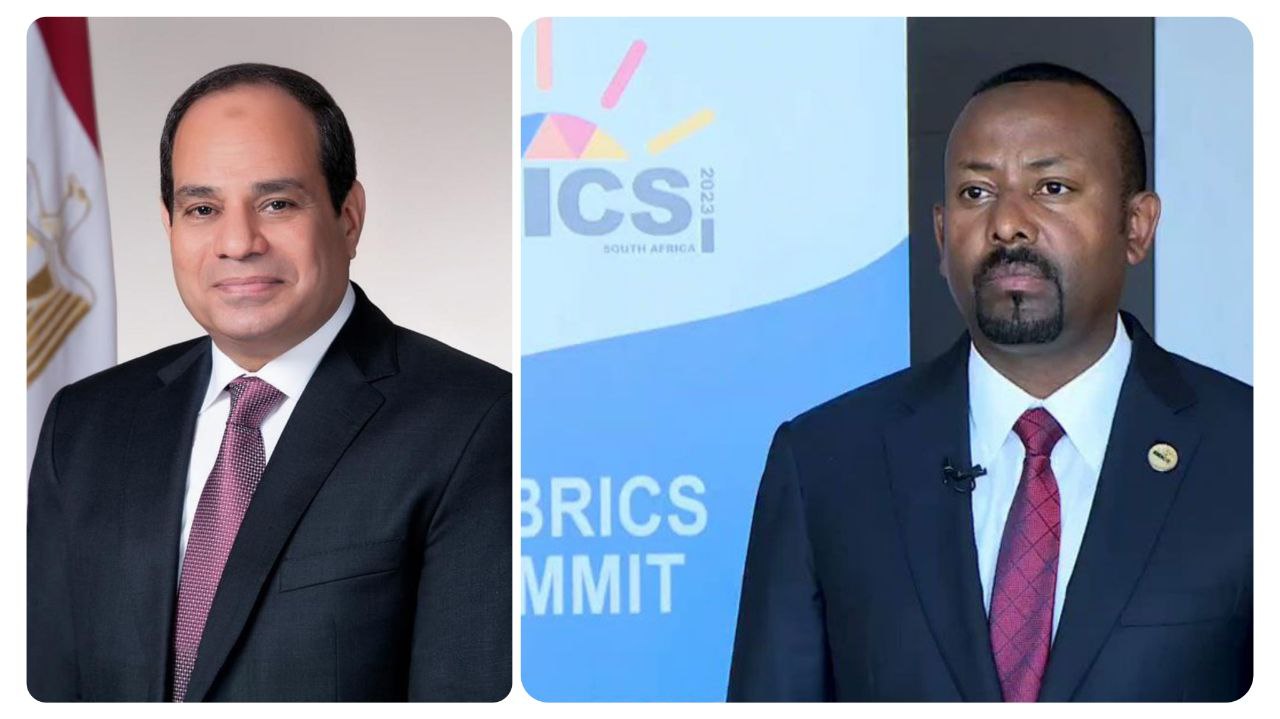
This year’s summit was not merely symbolic. For the first time, African countries weren’t just at the table they were helping to shape the agenda. Ethiopia and Egypt attended as full BRICS members, and the African Union (AU) was formally represented. The message was clear: the Global South is rising, and it’s no longer asking for permission.
But beyond the powerful optics lies a more complex question: Can BRICS deliver real influence for Africa, or is this just another global stage where applause doesn’t translate into agency?
Africa’s Seat at the Table
BRICS originally formed by Brazil, Russia, India, China, and South Africa has evolved into an 11-member bloc that now represents roughly 40% of the global population and nearly a third of global GDP. With Ethiopia and Egypt joining in 2025, two of Africa’s most geopolitically significant nations are now embedded in a platform that seeks to challenge Western-led institutions.
At the summit, African leaders were clear in their demands. AU Chair João Lourenço outlined a unified call for support in implementing Agenda 2063, the continent’s own long-term development blueprint. “We want partnerships, not patronage,” he said echoing a wider shift in African diplomacy from dependency toward negotiation.
Ethiopia, still recovering from years of conflict, used its platform to urge investment in manufacturing, agriculture, and renewable energy. For Addis Ababa, BRICS isn’t about ideology it’s about pragmatism. The country needs funding, trade partners, and diplomatic space. BRICS offers all three.
More nations are eyeing entry. Nigeria, Algeria, and Angola have all expressed interest, indicating a broader African push to find alternatives to Western-dominated global systems like the IMF and World Bank. And with BRICS discussing plans for a new payment system and potential common currency, the stakes are rising.
Unity or Unease?
Still, the BRICS expansion is not without contradictions. Ethiopia and Egypt may sit side by side at the summit, but they remain locked in a high-stakes dispute over the Nile River and the Grand Ethiopian Renaissance Dam (GERD). This unresolved tension casts a shadow over the bloc’s claims of solidarity.
Can BRICS serve as a platform to resolve African disputes or will it simply import them?
Even broader divisions were on display in Rio. Russian President Vladimir Putin addressed the summit virtually for the second consecutive year due to an outstanding ICC arrest warrant. Chinese President Xi Jinping skipped the summit altogether, sending Premier Li Qiang in his place. And long-standing rivalries such as India and China’s territorial disputes remained unresolved beneath the surface.
External pressures are also mounting. Former U.S. President Donald Trump, now the leading Republican candidate for the 2024 election, recently threatened 10% tariffs on nations that “align with anti-American blocs” like BRICS. Despite this, interest in the bloc is growing. Malaysia reaffirmed its commitment to BRICS cooperation, and Turkey reiterated its intention to engage, with President Erdoğan once again declaring: “The world is bigger than five.”
South African President Cyril Ramaphosa responded to Western criticism directly: “This is not anti-West. It’s pro-fairness.”
A Test of African Strategy
Despite its flaws, BRICS is becoming the first major global platform where African nations enter as equals—not as aid recipients, not as symbolic participants, but as negotiators.
But the opportunity means little without strategy. If Egypt and Ethiopia can’t find a way to manage their Nile conflict, BRICS unity will remain fragile. If countries like Nigeria and Angola join without clearly defined goals, Africa risks diluting its voice rather than strengthening it.
And if the continent sees BRICS as a savior rather than as a tool to advance its own priorities—it will repeat old patterns of dependence, just with new partners.
The Rio Summit wasn’t just another multilateral gathering. It was a signal of shifting global power and Africa’s potential to play a decisive role in that transformation. But power without coordination is easily squandered.
The Bottom Line
Africa’s entry into BRICS marks a milestone. But whether it becomes a turning point depends on what comes next.
Will Africa use this platform to demand reforms to the global financial order?
Will it build regional consensus to strengthen its collective bargaining power?
Or will old divisions and rivalries undermine the promise of equal footing?