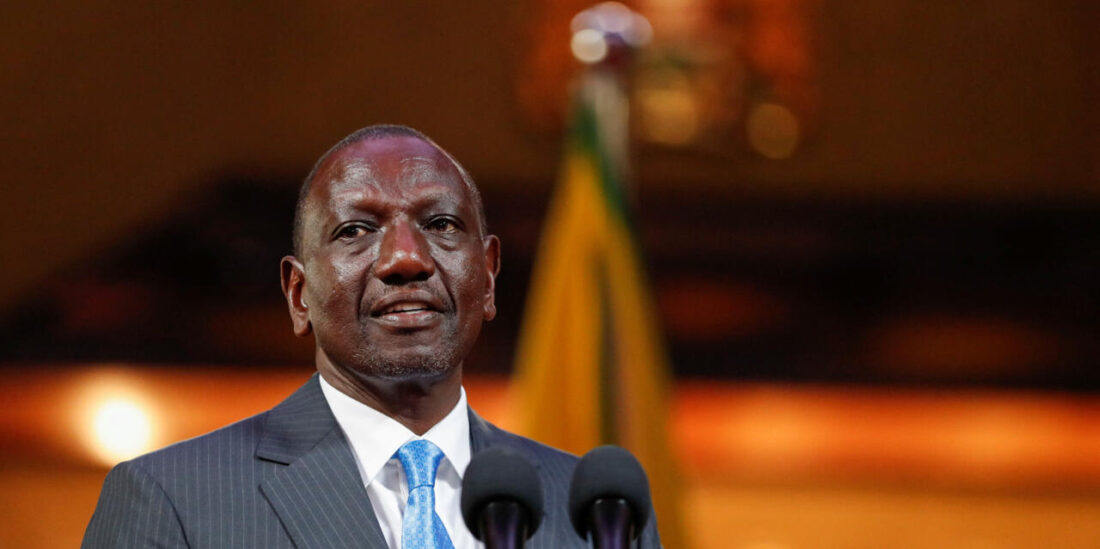
Nairobi, Kenya President William Ruto rode to power in 2022 on the promise of uplifting Kenya’s struggling masses the so called “hustlers” who believed his pledges of economic relief and bottom-up transformation. Yet, barely two years into his presidency, the nation finds itself engulfed in waves of protests, with disillusioned citizens taking to the streets over soaring living costs, punitive taxes, and a growing sense of betrayal.
From “Hustler” Champion to Protest Magnet
Ruto’s political brand was built on his appeal to Kenya’s working-class majority. Positioning himself as a self made “hustler” who rose from humble beginnings, he vowed to dismantle the dynastic politics that have long dominated the country. His message resonated with millions, securing him a narrow victory over his rival, Raila Odinga.
However, the optimism that marked his inauguration has since faded. The Finance Act 2023, which introduced new taxes on essentials like fuel and mobile money, sparked immediate backlash. Critics argue that the measures disproportionately burden ordinary Kenyans while failing to curb government excesses. The resulting protests, led largely by Gen Z and young activists, have morphed into a broader movement against Ruto’s administration.
Economic Pain Fuels Public Anger
At the heart of the discontent is Kenya’s worsening economic crisis. The shilling has plummeted against the dollar, inflation remains stubbornly high, and unemployment continues to rise. Many who backed Ruto now accuse him of reneging on his promises, adopting the same austerity policies he once condemned.
“The ‘hustler’ narrative was a brilliant campaign tool, but in reality, nothing has changed for the poor,” said political analyst Njeri Kinyanjui. “Instead of relief, Kenyans are being asked to tighten their belts further while corruption scandals persist.”
A New Era of Youth-Led Resistance
Unlike past protests, which were often driven by established opposition leaders, the
current demonstrations have been largely organic, organized through social media by young Kenyans frustrated with the political class. The absence of a central figure like Raila Odinga has made the movement harder for the government to dismiss or negotiate with.
Security forces have responded with force, leading to accusations of brutality. Clashes in Nairobi and other cities have left several dead and scores injured, drawing condemnation from human rights groups.
Can Ruto Regain Control?
Facing mounting pressure, Ruto has attempted a mix of concessions and defiance. After initially dismissing the protests as “politically motivated,” he has since paused some tax hikes and called for dialogue. But with public trust eroding, his ability to stabilize the situation remains in doubt.
“The protests are no longer just about taxes they’re about a complete loss of faith in leadership,” said economist David Ndii, a former Ruto ally. “If the government doesn’t change course, Kenya risks deeper unrest.”
As the streets remain volatile, one thing is clear: the “hustler” dream that propelled Ruto to power has collided with the harsh reality of governance. Whether he can recalibrate his presidency or whether Kenya’s protest movement will force a more drastic reckoningremains the defining question of his administration.
Ruto’s Crisis Point How Kenya’s Hustler Dream Turned Into a Protest Nation