Sudan’s military has claimed responsibility for destroying a United Arab Emirates aircraft at Nyala Airport in Darfur, alleging the plane was transporting around forty Colombian mercenaries and military equipment to support the Rapid Support Forces. According to Sudanese state media, the strike was part of a wider effort to disrupt foreign backing for the RSF, which has been engaged in a brutal conflict with the national army since April 2023. The military framed the action as a decisive warning to outside actors accused of fueling the war.
The UAE has strongly denied the allegation, calling it entirely false and unsupported by evidence. Emirati officials dismissed the statement as part of a broader disinformation campaign aimed at tarnishing their country’s image. They insisted the UAE is committed to regional stability and has no role in supplying fighters or weapons to any side in the Sudanese conflict.
Colombia has been drawn into the dispute after reports emerged that dozens of its nationals may have been among the dead. President Gustavo Petro announced that his government is investigating the claims and seeking to verify the identities of the victims. He also stated that efforts will be made to repatriate the bodies if the deaths are confirmed. The recruitment of Colombian ex-soldiers as private military contractors has been a recurrent phenomenon in conflicts across the Middle East and Africa, adding credibility to the possibility that such individuals were present in Darfur.
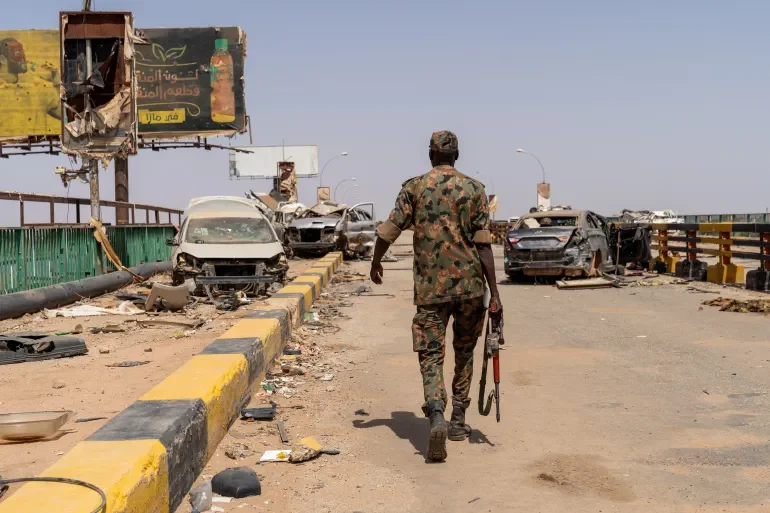
The incident underscores the deepening complexity of Sudan’s civil war. The RSF controls large parts of Darfur, including Nyala, and has been accused of using airports and civilian infrastructure as military bases. Khartoum has long accused the UAE of supplying the RSF with arms, drones, and logistical assistance, accusations the UAE has consistently rejected. United Nations reports have documented evidence of foreign arms shipments to Sudan, though attribution remains contested.
If Sudan’s account proves accurate, the destruction of the plane would represent a serious
escalation in tensions between Khartoum and Abu Dhabi, potentially pushing the conflict into a new phase of proxy confrontation. At the same time, the absence of independently verified evidence leaves the truth uncertain, with each side holding firm to its version of events. The episode highlights the dangerous intersection of local conflict, foreign intervention, and the growing use of mercenaries, further complicating prospects for peace in a nation already on the brink of collapse.