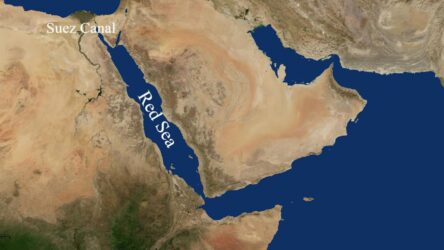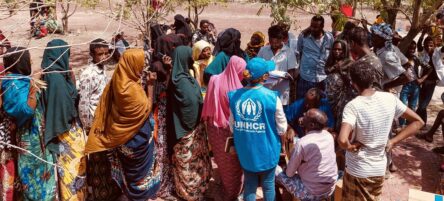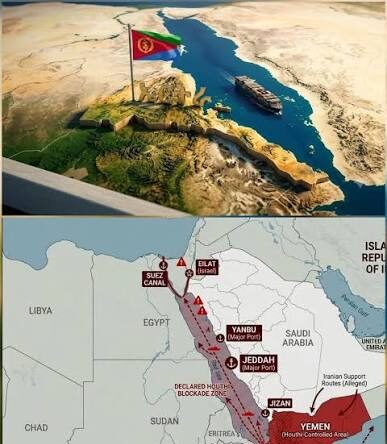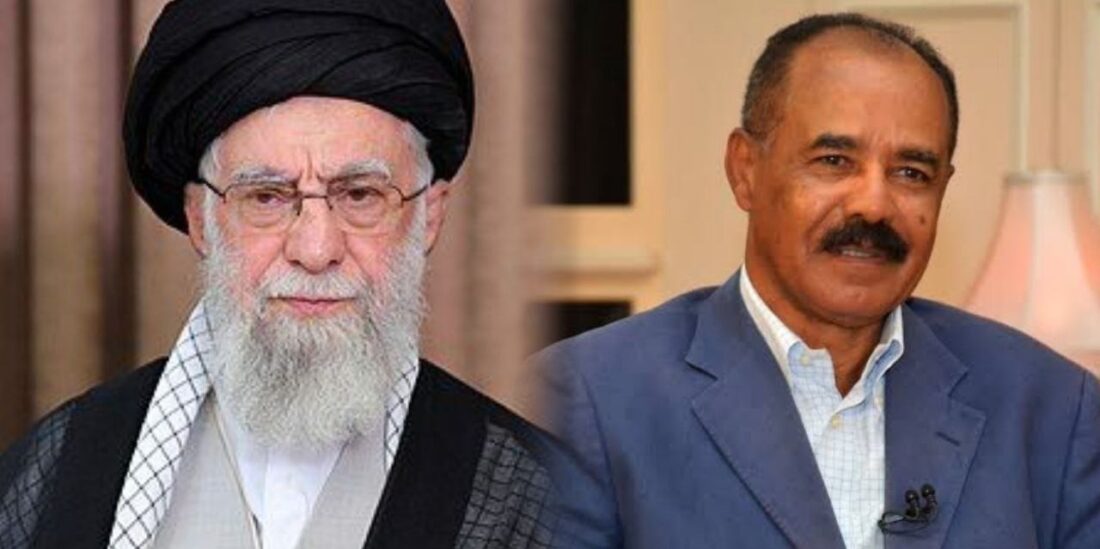
Eritrea’s deepening alignment with Iran has drawn sharp scrutiny from Western powers and regional rivals, raising concerns over its long-term stability and geopolitical standing. Once a quiet player in the Horn of Africa, Eritrea is now at the center of a high stakes power struggle involving the U.S., Israel, Gulf states, and emerging Eurasian blocs. This strategic shift while bolstering Asmara’s short-term leverage could trigger unintended consequences, from economic isolation to heightened military tensions.
Eritrea’s Strategic Shift From Isolation to Iranian Alignment
Eritrea’s pivot toward Iran, Russia, and China marks a dramatic departure from its earlier engagements with the West and Gulf states. Historically, Eritrea maintained covert ties with Israel and briefly aligned with the Saudi UAE coalition during Yemen’s war. However, deteriorating relations with the U.S. and UAE, coupled with Western sanctions, pushed President Isaias Afwerki toward alternative alliances .
Recent developments underscore this realignment:
Military Cooperation: Reports suggest Iran is supplying drones and military technology to Eritrea, potentially enabling Tehran to monitor Red Sea shipping lanes and support Houthi operations in Yemen .
Diplomatic Support: Eritrea refused to condemn Houthi attacks on international shipping and voted against UN resolutions criticizing Russia’s invasion of Ukraine, signaling its alignment with anti-Western blocs .
Economic Dependence: China now dominates Eritrea’s trade, accounting for a third of imports and two-thirds of exports, while Russia has increased naval visits to Massawa .
Why This Pivot Could Backfire
1. Escalating Western and Gulf Pressure
The U.S. and Israel view Eritrea’s Iran ties as a direct threat. American analysts have labeled Eritrea “the North Korea of Africa,” while Israeli media accuse it of becoming an “Iranian proxy” . If Eritrea allows Iran’s Islamic Revolutionary Guard Corps (IRGC) to re-establish a presence in Assab, it could face:
Tougher Sanctions: The U.S. has already reimposed sanctions over Eritrea’s role in Ethiopia’s Tigray war. Further measures could cripple its economy .
Gulf Countermoves :Saudi Arabia is reportedly considering a billion-dollar investment in
Assab port, potentially countering Iranian influence but also risking Eritrea’s sovereignty if Riyadh demands concessions .
2 Regional Instability and Ethiopian Rivalry
Eritrea’s alliance with Iran complicates its fragile peace with Ethiopia, a much larger neighbor now also deepening ties with Tehran. While both nations are BRICS members, Ethiopia’s military cooperation with Iran including drone supplies could shift the regional balance, leaving Eritrea vulnerable if tensions reignite .
3 Human Rights Isolation
Eritrea’s authoritarian governance and forced conscription policies have long drawn condemnation. A recent UN Human Rights Council vote rejected Eritrea’s bid to end scrutiny of its abuses, highlighting its diplomatic isolation . Aligning with pariah states like Iran and Russia may further erode its international standing.
4 Overdependence on Volatile Allies
While China and Russia offer economic lifelines, their support is transactional. Should regional conflicts escalate such as a Red Sea crisis involving Iran Eritrea could find itself abandoned or exploited as a pawn.
A High-Risk Gamble
Eritrea’s Iran pivot reflects a survival strategy amid Western marginalization, but the risks are mounting. By alienating traditional partners and embracing contentious alliances, Asmara risks triggering punitive measures, regional conflicts, and deeper isolation. The coming years will test whether this gamble secures Eritrea’s sovereignty or leaves it trapped in a geopolitical quagmire.