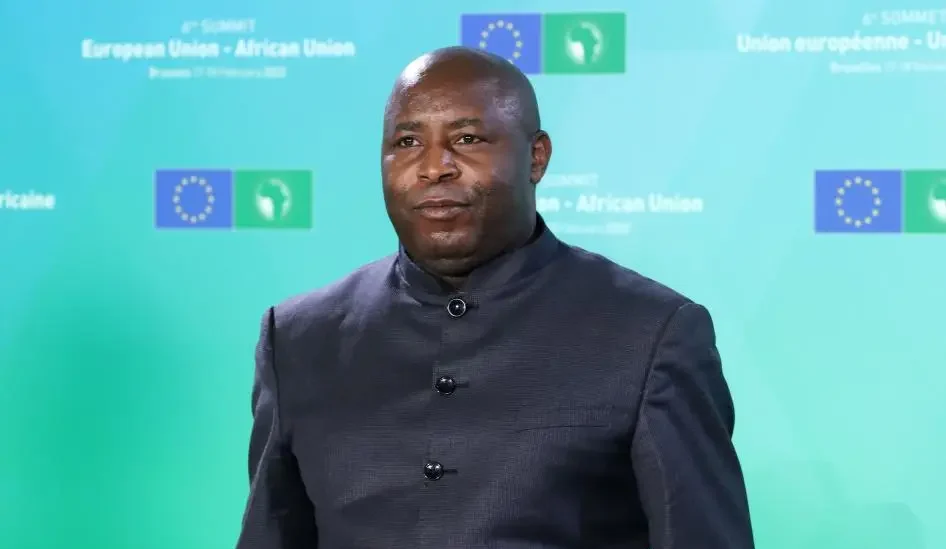
On July 17, 2025, the African Union appointed President Évariste Ndayishimiye of Burundi as its Special Envoy for the Sahel Region. This decision, announced by Angolan President João Lourenço in his capacity as Chairperson of the AU, comes at a time when the Sahel faces one of its most severe political and humanitarian crises in decades. Ndayishimiye, who also serves as the AU’s Champion for Youth, Peace and Security, is expected to spearhead a renewed continental effort to stabilize a region beset by conflict, displacement, and political uncertainty.
The Sahel, once seen as a frontier of development, has become a theatre of armed conflict, extremist violence, and state fragility. Countries like Mali, Niger, and Burkina Faso have experienced successive military coups since 2020, weakening regional cooperation and increasing the suffering of civilians. All three states have withdrawn from the Economic Community of West African States (ECOWAS), severing a major line of political and legal accountability. The African Union, which had suspended these countries from its own structures, has struggled to maintain influence and coordination as a result.
Against this backdrop, President Ndayishimiye’s appointment signals a recalibrated approach. As envoy, he is tasked with re-engaging leaders in the region, supporting national dialogue efforts, and helping chart a way forward that reflects both African solutions and local realities. The choice of Ndayishimiye is strategic. He is not directly involved in the politics of the Sahel, which makes him a neutral figure, yet he carries the stature of a sitting head of state and a reputation for Pan-African commitment. His role will require balancing diplomacy with clarity, offering support where possible while holding leaders accountable for abuses that have become widespread.
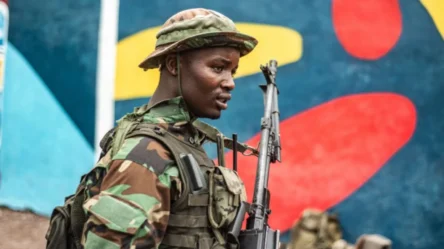
The stakes are high. Over three million people have been displaced in the Sahel, and thousands have been killed in attacks by insurgents, militias, and state forces. Civilian populations often find themselves caught between jihadist groups such as the Islamic State in the Greater Sahara and national armies accused of extrajudicial killings. Humanitarian access is limited, civil society has been pushed to the margins, and political dissent is frequently criminalized. In such a climate, the envoy’s challenge is not merely to broker peace but to restore basic trust between citizens and institutions.
President Ndayishimiye has already begun outreach. On July 22, he held a phone call with General Assimi Goïta, the transitional president of Mali. The call, described by both sides as cordial and constructive, focused on the future of the region and the need for greater understanding between Mali and the wider African community. This early engagement sets a tone of respectful diplomacy, but observers remain cautious. The juntas in the Sahel have shown little interest in external oversight, and their withdrawal from ECOWAS reflects a broader rejection of international pressure.
The African Union must decide whether this new envoy-led strategy will involve concessions or confrontation. Past AU efforts in crisis zones have been criticized for their slow pace and reluctance to challenge authoritarian leaders. If this appointment is to make a difference, it must be backed by consistent political pressure, coordinated work with institutions like the United Nations, and a clear focus on protecting civilians. Rights groups have urged the envoy to make human rights central to his mission—not just as a long-term goal but as an immediate priority. Arbitrary arrests, press crackdowns, and targeted killings cannot be treated as side issues in the name of political stability.
Ultimately, the appointment of a special envoy is not a solution in itself, but it opens the door to renewed continental engagement. The success of this initiative depends on the credibility and independence with which President Ndayishimiye carries out his work. If he is able to create space for dialogue, defend human dignity, and rebuild trust across fractured borders, his role may help the African Union regain its footing in a region that has drifted dangerously beyond its influence. For the people of the Sahel, who continue to endure violence, repression, and abandonment, this may be the last hope for a regional solution grounded in African leadership.