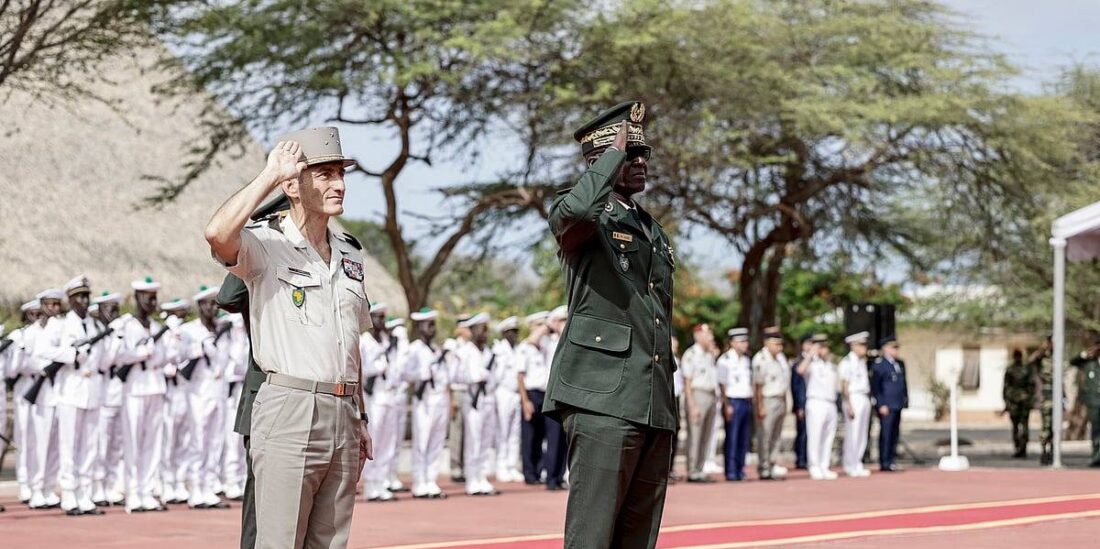
After 65 years, French troops have packed up and left Senegal, marking the end of France’s last military foothold in West Africa. For the first time in more than a century, there is no permanent French military presence in the region. But this moment is more than a simple troop withdrawal. It is the symbolic final act in a long and complicated relationship rooted in colonization, dependency, and resistance. What does this shift mean for West Africa’s future and for France’s identity as a former colonial power?
The Colonial Legacy and Its Afterlives
France’s involvement in West Africa began in the late 19th century, when the region became part of French West Africa, a federation of colonies under Paris’s control. Even after independence in the 1960s, France maintained a dominant role in the region. It did so through military bases, defense treaties, and economic tools such as the CFA franc.
For decades, French soldiers were a regular presence in cities like Dakar and Bamako. This presence was part of what became known as “Françafrique,” a system that served to protect French interests and, at least in theory, ensure regional stability. But many West Africans saw it differently. They viewed Françafrique as an extension of colonial rule that perpetuated military oversight, political interference, and economic dependency.
Events like the Thiaroye massacre in 1944, when French troops killed Senegalese veterans demanding fair treatment, have never been forgotten. These moments serve as stark reminders of the costs of a relationship that often placed French priorities above African self-determination.
From Discontent to Departure
The decision to end the military presence did not come out of nowhere. Over the past decade, dissatisfaction with France’s role in the region has grown, especially in the Sahel. French-led
military operations, launched in the name of counterterrorism, failed to deliver real security. Many citizens in countries like Mali, Burkina Faso, Niger, and Senegal came to believe that these efforts served French interests more than their own.
At the same time, economic frustration intensified. French companies continued to profit, but unemployment and poverty remained high across the region. These conditions led to mass protests and growing demands for what many called “real independence.”
Between 2022 and 2025, France was told to leave by one country after another. Mali acted first, followed by Burkina Faso and Niger. Now, with Senegal joining the list, the final base has closed. President Bassirou Diomaye Faye called the move “a new phase of partnership, based on equality and mutual respect.” But for many Senegalese and West Africans more broadly, this was a long-overdue break from an unequal past.
What Comes Next?
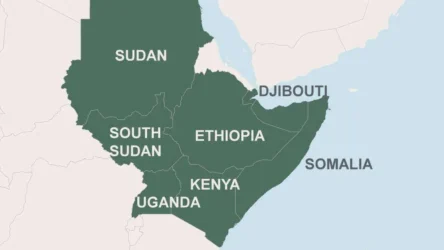
With Camp Geille in Dakar now closed, France no longer has a permanent military base in West Africa. A few bases still exist elsewhere on the continent, such as in Djibouti and Gabon, but their future remains uncertain.
Yet the influence France holds in the region goes far beyond military presence. The most persistent form of control may be the CFA franc, a colonial-era currency still used by 14 African countries and managed from Paris. France argues the system offers monetary stability, but many African economists and civil society leaders disagree. They argue it prevents independent economic policymaking and locks countries into a system designed for French benefit.
Calls for reform are growing louder. Several governments and political movements are pushing for new currency arrangements or even full withdrawal from the CFA system. To them, the currency is not just outdated it is a symbol of lingering exploitation.
France has long claimed to be a stabilizing partner in the region. But the record shows a different picture: decades marked by coups, underdevelopment, and economic crisis. Now, with France stepping back, West African leaders and citizens face a unique opportunity. The risks of transition are real, but so are the possibilities. After a century shaped more by outside control than by local choices, there is hope that this turning point will allow for new alliances and genuine self-determination.
A Moment of Redefinition
France’s exit from Senegal closes a chapter defined by colonization, intervention, and dependency. For West Africa, it is a moment to rethink, to rebuild, and to choose a new path.
Will this shift lead to real sovereignty and inclusive growth? Or will new external pressures take the place of the old ones?
Only time will tell. But for now, the region stands at a historic crossroads, with a rare chance to write its own story.