Can the Horn of Africa isolate its largest economy and remain stable? Why are regional powers trying to encircle Ethiopia? And why is Somalia now quietly recalibrating its position?
This is the geopolitical battle reshaping the Red Sea and the future of East Africa .
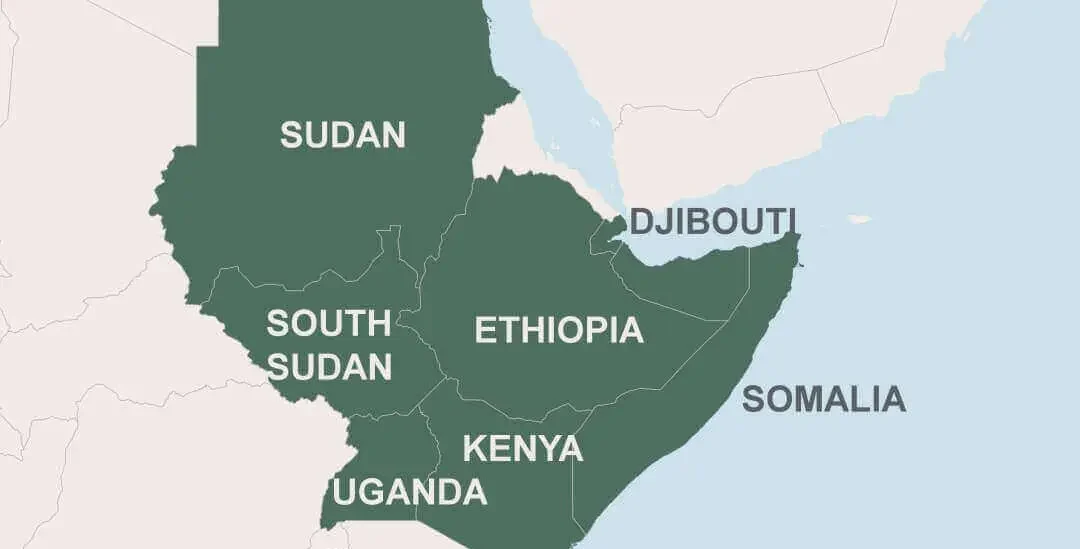
In the Horn of Africa, attempts to isolate or contain Ethiopia through alliances, proxy pressures, and diplomatic encirclement have gained traction, particularly involving Egypt’s efforts to rally neighbors against Addis Ababa. Yet this approach delivers no meaningful long-term gains for Sudan, Eritrea or even Somalia. On the contrary, it risks deepening instability, economic stagnation, and missed opportunities for regional development. Somalia appears to be gradually recognizing this reality, as evidenced by its pragmatic engagement with Ethiopia despite earlier alignments.
Ethiopia, one of Africa’s fastest-growing economies, represents a natural engine for the region. Its Grand Ethiopian Renaissance Dam (GERD) and push for diversified sea access are driven by legitimate developmental needs as a landlocked nation. Strategies that treat these as existential threats rather than issues for negotiation ignore basic geography and economics. Containing a large, populous neighbor rarely succeeds; it usually breeds resentment and alternative pathways that bypass the blockers.
Eritrea has aligned itself with anti-Ethiopia fronts, leveraging historical grievances and fears over Red Sea access. Yet this obsession yields diminishing returns. Prolonged tension keeps borders closed, stifles trade, and sustains high militarization that drains resources from development. Eritrea’s economy remains fragile; denying Ethiopia commercial port access under fair terms does not enrich Asmara, it simply pushes Ethiopia toward Somaliland, Djibouti alternatives, or future deals elsewhere. True security for Eritrea lies in normalized relations and economic interdependence, not perpetual standoffs that leave it diplomatically cornered.
Djibouti derives massive revenue from Ethiopian transit through its portshandling over 90% of Ethiopia’s trade in recent years. Any strategy that actively isolates Addis Ababa threatens this lifeline. Heightened tensions could prompt Ethiopia to accelerate diversification (Berbera in Somaliland, potential revival of Assab, or new corridors), eroding Djibouti’s strategic monopoly. Short-term political alignment against Ethiopia offers no upside when economic interdependence is the foundation of Djibouti’s stability and growth. A prosperous Ethiopia means more cargo, investment, and regional connectivity for Djibouti—not less.
Sudan, engulfed in its own devastating civil conflict between the Sudanese Armed Forces and Rapid Support Forces, can ill afford additional proxy entanglements. Aligning against Ethiopia complicates cross-border dynamics, refugee flows, and trade routes at a time when stability is desperately needed. Ethiopian-Tigrayan elements have played roles in Sudanese fighting, but broader isolation efforts distract from internal priorities and invite spillover. Sudan benefits far more from a stable, economically active Ethiopia that can support regional trade and security cooperation than from fueling rivalries that prolong its own chaos.
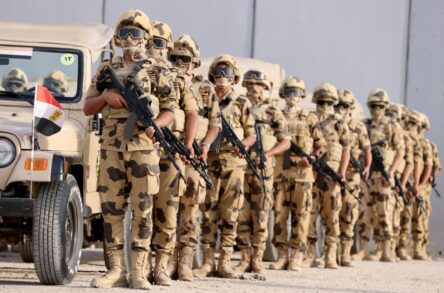
Somalia initially embraced Egypt’s overtures—defense pacts, arms, and troop offers partly in response to Ethiopia’s 2024 MoU with Somaliland. Yet Mogadishu has shown signs of recalibration. The Türkiye mediated Ankara Declaration of December 2024 emphasized respect for sovereignty while opening doors for technical talks on sea access. Somalia continues balancing acts but increasingly understands that tying its future too closely to an anti-Ethiopia axis does little to resolve its core challenges: Al-Shabaabinsurgency, federal-state tensions, and reconstruction needs.
Egypt’s involvement, framed around GERD concerns and Red Sea influence, provides Somalia with short-term leverage but risks turning the country into a proxy theater. This diverts focus from fighting terrorism and building institutions. Ethiopian forces have historically contributed to anti-Al-Shabaab efforts; alienating Addis Ababa could create security vacuums. Somalia gains nothing enduring from isolating its larger neighbor while its own unity and development lag. Pragmatic deals on ports and trade serve Somali interests better than zero-sum confrontation.
No country builds lasting strength through hatred or perpetual grievance. Attempts to encircle Ethiopia via Egypt-Eritrea-Somalia alignments or other coalitions have not halted its progress. Instead, they accelerate Ethiopia’s outreach to Somaliland, Gulf partners, and alternative routes. The region’s future lies in win-win frameworks: commercial port agreements respecting sovereignty, joint infrastructure, energy exports from the GERD, and collective security against extremism.
Sudan needs peace more than proxies. Eritrea requires economic opening. Djibouti thrives on volume, not exclusion. Somalia benefits from stability and investment. Ethiopia’s growth, if channeled through diplomacy, can lift neighbors rather than threaten them. The Horn of Africa’s people deserve leaders who prioritize pragmatic development over outdated containment games. History shows that isolating a giant rarely works it only isolates the isolators.