
November 7, 2026

Alexander Rondos on the Red Sea: Ethiopia’s Vision for Shared Destiny and Regional Integration

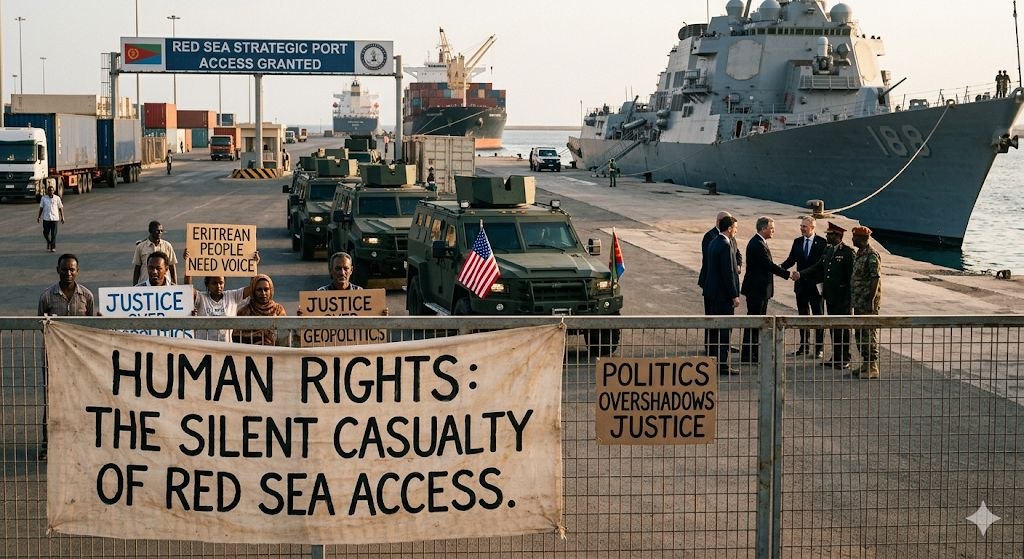
For generations, Ethiopia’s geopolitical reality has been defined by a glaring structural challenge: a nation of over 120 million people the most populous landlocked country in the world denied direct, sovereign access to the sea. The insights shared by Ambassador Alexander Rondos on The David Hearst Podcast articulate what Ethiopians have understood and advocated for… Continue Reading →
May 21, 2026

EGYPT’S NO EXTERNAL POWERS DOCTRINE EXPLAINED

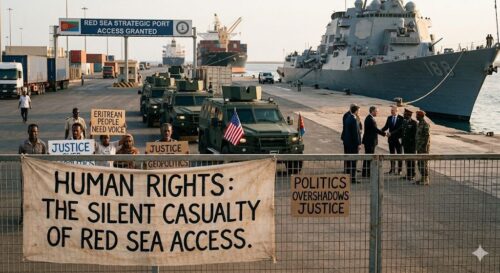
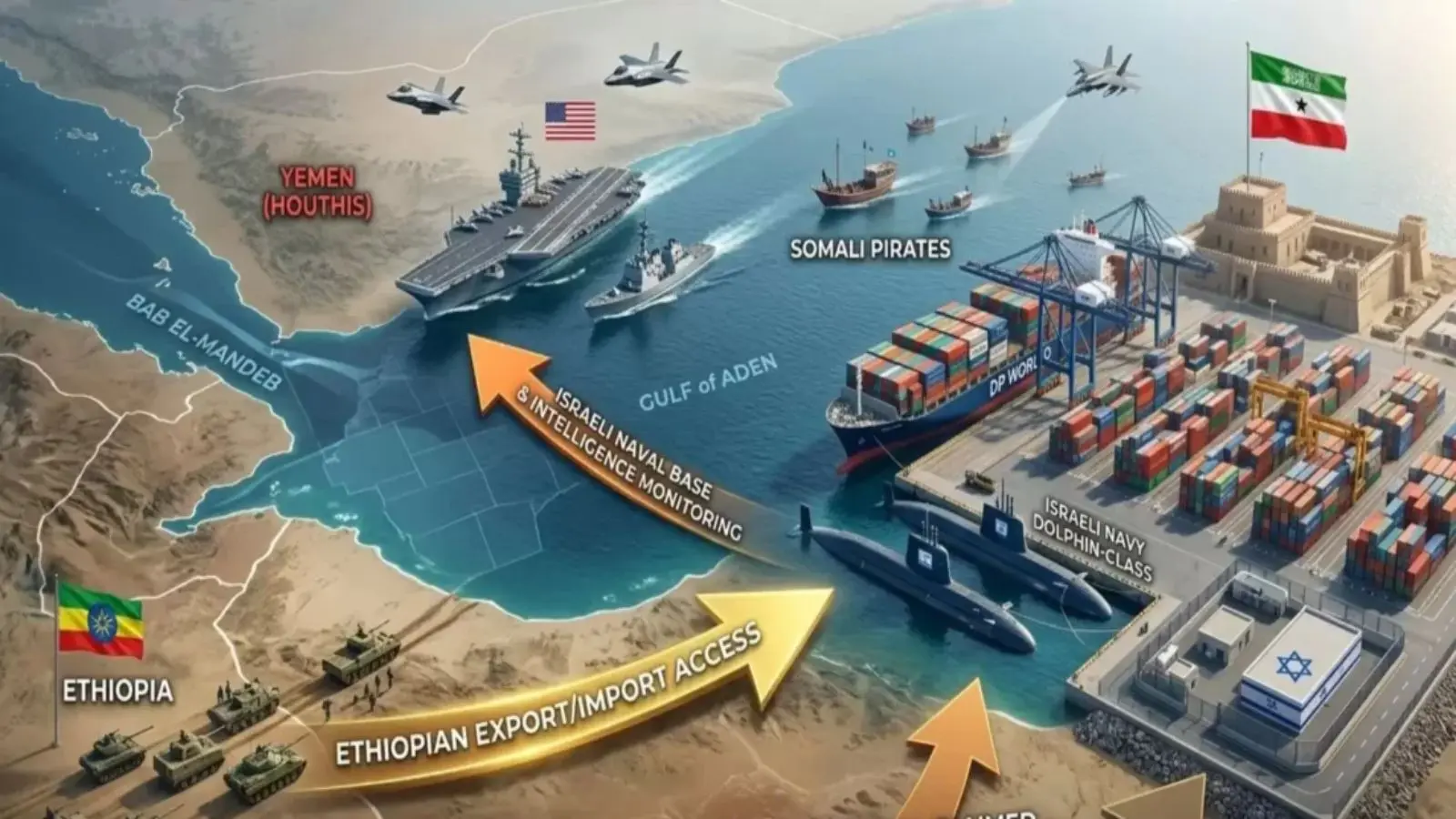
Who really controls the Red Sea? And why does Egypt suddenly insist that only coastal states should decide its future? If “no external powers” is truly the principle, then why are American, Chinese, French, Japanese, and other foreign military bases already deeply embedded across the region? And is this really about protecting regional sovereignty… or… Continue Reading →

Shadows Over Sali: Egypt’s Shadow War on Ethiopia’s GERD Unravels in Sudan?

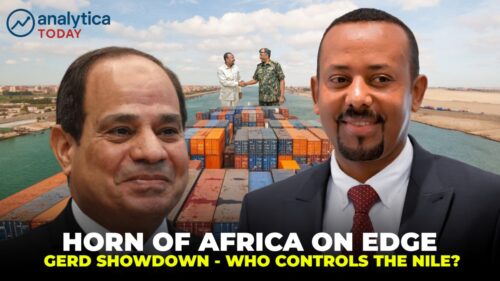
In the mist-shrouded hills of Sudan’s Blue Nile State, where the river bends dangerously close to the Ethiopian border, a high-stakes drama is playing out that could redraw Nile rivalries for a generation. Since late March 2026, persistent reports claim that forces from the Sudan Founding Alliance—TASIS, led by the Rapid Support Forces (RSF) and… Continue Reading →

March 20, 2026

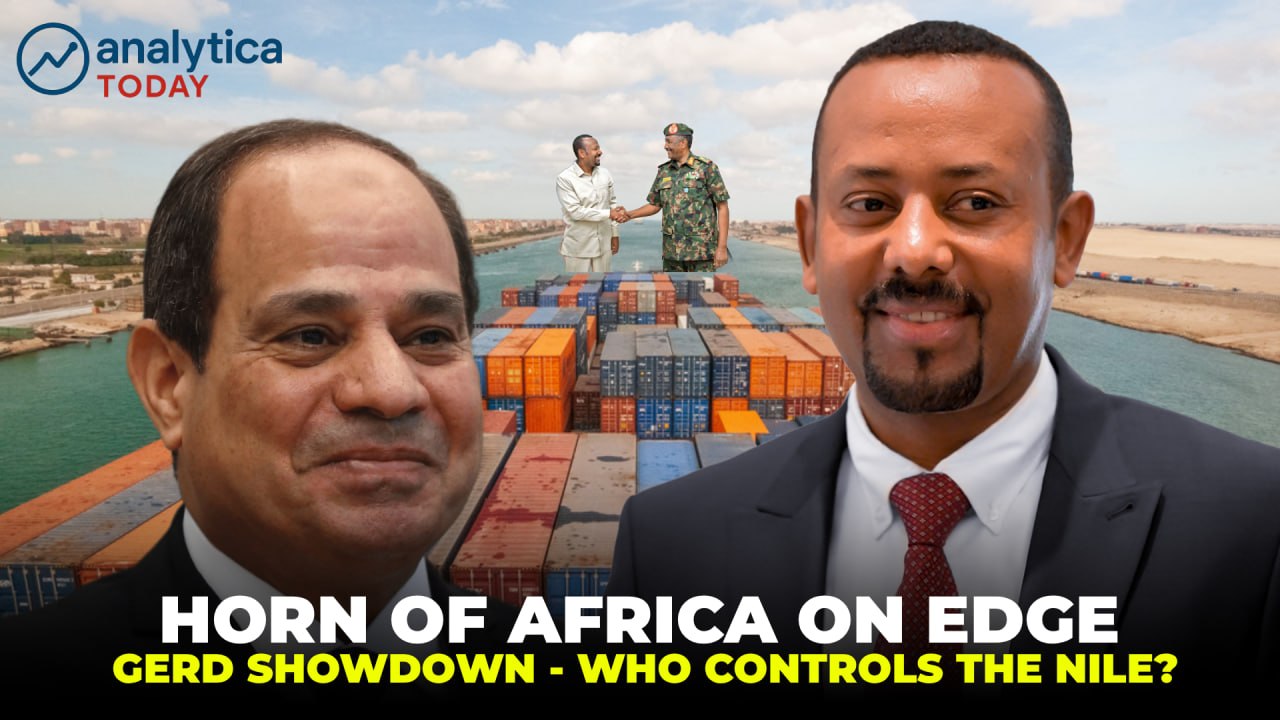
Who Blinks First? The Next Port Deal or Nile Round Will Decide

As of mid-March 2026, the Horn of Africa remains a volatile arena where Gulf ambitions, Nile water rights, and Red Sea access collide. Two rival blocs have solidified: an Ethiopia-UAE-Israel axis pursuing “recognition by deed” leveraging functional control over ports like Berbera in Somaliland, Israeli diplomatic breakthroughs, and Emirati investments to end Ethiopia’s landlocked status… Continue Reading →

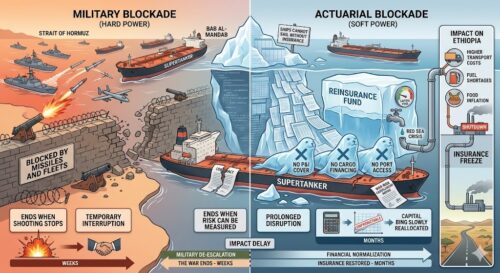
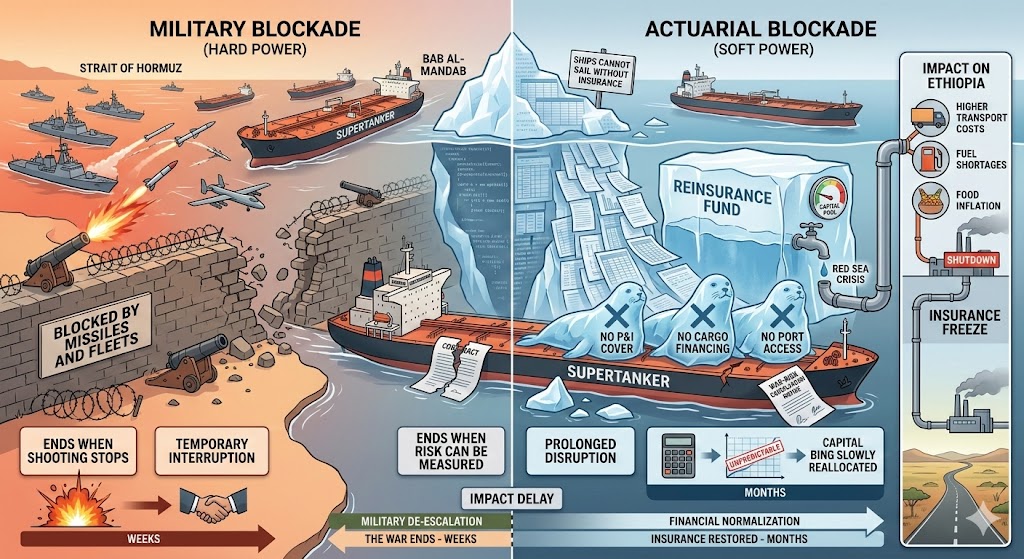
The Invisible Blockade: How Insurance Killed the Strait of Hormuz

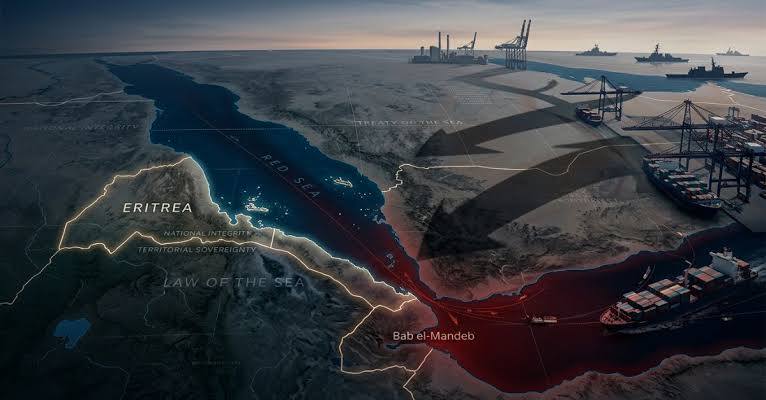
Before Hormuz, there was the Red Sea. For nearly two years, attacks around the Bab al-Mandab forced vessels to reroute around Africa. Insurance premiums surged. Transit volumes dropped. War-risk capacity was slowly drained from the system. Countries like Ethiopia felt that shock directly. Landlocked and heavily dependent on trade through Djibouti, Ethiopia watched freight rates… Continue Reading →