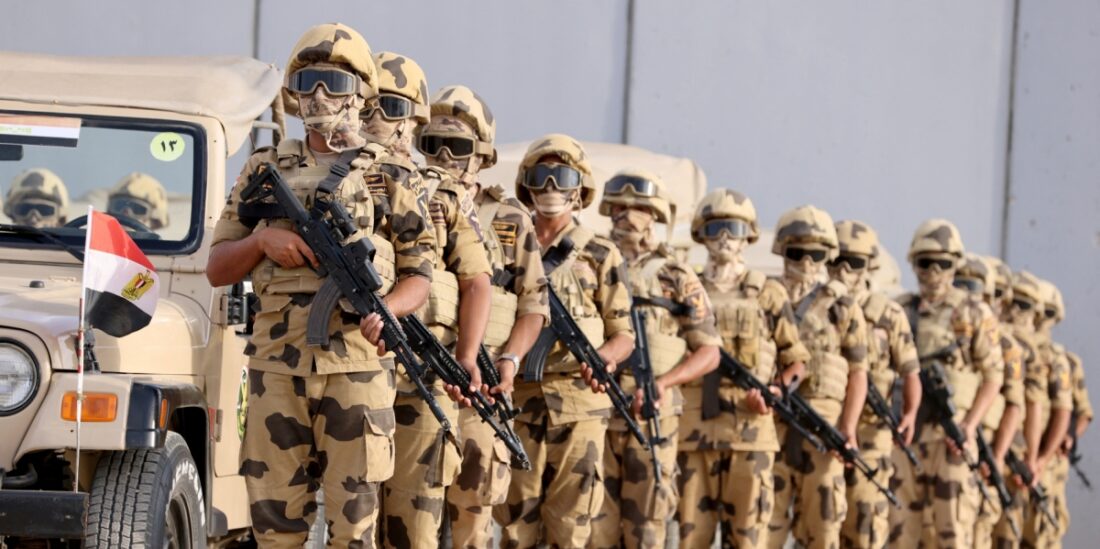
The United States has approved a $4.7 billion arms package for Egypt, marking one of the largest weapons deals between the two countries in recent years. Central to the deal is the sale of advanced surface-to-air missile systems, specifically the Patriot air defense system, which is designed to intercept and neutralize aerial threats ranging from cruise missiles to aircraft and ballistic projectiles. The announcement comes at a time of heightened tensions across the Middle East and underscores Washington’s ongoing strategic partnership with Cairo, despite a complex history of human rights concerns, shifting alliances, and evolving regional power plays.
The deal, approved by the U.S. State Department and formally notified to Congress, includes radar systems, command-and-control technology, and training for Egyptian personnel. According to the Defense Security Cooperation Agency (DSCA), the agreement is intended to bolster Egypt’s ability to defend its airspace and contribute to broader regional stability, particularly in a volatile security environment where drone and missile threats are increasingly prevalent. It also reflects Egypt’s continued efforts to modernize its military hardware and diversify its defense procurement portfolio.
Egypt remains a pivotal actor in the Arab world. Its geographical location places it at the crossroads of key strategic zones, including Israel, Gaza, Libya, and the Red Sea. This grants it significant relevance in American defense planning. The inclusion of such high-end missile defense technology signals trust in Egypt’s capacity to act as a buffer against both state and non-state threats. It also suggests that Washington still sees Cairo as a reliable partner in the wider U.S. security framework for the region, especially as American policymakers attempt to recalibrate their posture in the Middle East in response to growing Chinese and Russian influence.
However, the decision has not gone unchallenged. Human rights organizations and some members of Congress have raised concerns about Egypt’s internal governance and record on civil liberties. The sale of sophisticated military equipment to a government frequently criticized for its repression of dissent and crackdown on political opposition has reignited debates about the balance between
strategic interests and the promotion of democratic values. Critics argue that such military support risks reinforcing authoritarianism. Proponents counter that defense cooperation with Egypt is necessary given the region’s fragile geopolitical balance.
This development also raises broader questions about arms proliferation and the role of American defense exports in conflict-prone zones. Egypt’s acquisition of surface-to-air missile systems follows a regional trend. Gulf nations and other neighboring powers have been building up formidable defense capabilities in anticipation of future conflicts, including possible escalations involving Iran, proxy groups, or destabilization spilling over from the Red Sea and the Horn of Africa.
As Egypt strengthens its military with cutting-edge systems, the implications of this deal extend beyond the immediate transaction. It reaffirms the enduring security alliance between Cairo and Washington but also highlights the strategic choices the United States must navigate in a region where alliances are increasingly transactional and power dynamics are shifting. Whether this arms package contributes to long-term stability or further complicates the military balance is yet to be determined. What is clear is that this agreement signals a renewed investment in Egypt’s role as a military actor in the region and a continued U.S. commitment to shaping the Middle East’s evolving security landscape.
The United States has approved a $4.7 billion arms package for Egypt, marking one of the largest weapons deals between the two countries in recent years. Central to the deal is the sale of advanced surface-to-air missile systems, specifically the Patriot air defense system, which is designed to intercept and neutralize aerial threats ranging from cruise missiles to aircraft and ballistic projectiles. The announcement comes at a time of heightened tensions across the Middle East and underscores Washington’s ongoing strategic partnership with Cairo, despite a complex history of human rights concerns, shifting alliances, and evolving regional power plays.
The deal, approved by the U.S. State Department and formally notified to Congress, includes radar systems, command-and-control technology, and training for Egyptian personnel. According to the Defense Security Cooperation Agency (DSCA), the agreement is intended to bolster Egypt’s ability to defend its airspace and contribute to broader regional stability, particularly in a volatile security environment where drone and missile threats are increasingly prevalent. It also reflects Egypt’s continued efforts to modernize its military hardware and diversify its defense procurement portfolio.
egypt remains a pivotal actor in the Arab world. Its geographical location places it at the crossroads of key strategic zones, including Israel, Gaza, Libya, and the Red Sea. This grants it significant relevance in American defense planning. The inclusion of such high-end missile defense technology signals trust in Egypt’s capacity to act as a buffer against both state and non-state threats. It also suggests that Washington still sees Cairo as a reliable partner in the wider U.S. security framework for the region, especially as American policymakers attempt to recalibrate their posture in the Middle East in response to growing Chinese and Russian influence.
However, the decision has not gone unchallenged. Human rights organizations and some members of Congress have raised concerns about Egypt’s internal governance and record on civil liberties. The sale of sophisticated military equipment to a government frequently criticized for its repression of dissent and crackdown on political opposition has reignited debates about the balance between
strategic interests and the promotion of democratic values. Critics argue that such military support risks reinforcing authoritarianism. Proponents counter that defense cooperation with Egypt is necessary given the region’s fragile geopolitical balance.
This development also raises broader questions about arms proliferation and the role of American defense exports in conflict-prone zones. Egypt’s acquisition of surface-to-air missile systems follows a regional trend. Gulf nations and other neighboring powers have been building up formidable defense capabilities in anticipation of future conflicts, including possible escalations involving Iran, proxy groups, or destabilization spilling over from the Red Sea and the Horn of Africa.
As Egypt strengthens its military with cutting-edge systems, the implications of this deal extend beyond the immediate transaction. It reaffirms the enduring security alliance between Cairo and Washington but also highlights the strategic choices the United States must navigate in a region where alliances are increasingly transactional and power dynamics are shifting. Whether this arms package contributes to long-term stability or further complicates the military balance is yet to be determined. What is clear is that this agreement signals a renewed investment in Egypt’s role as a military actor in the region and a continued U.S. commitment to shaping the Middle East’s evolving security landscape.