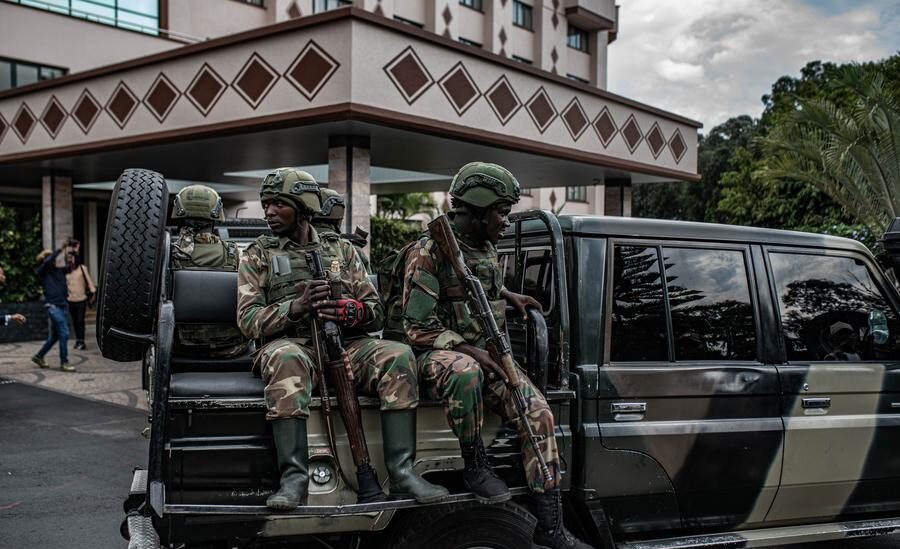
The M23 rebel movement, a key actor in the ongoing crisis in eastern Democratic Republic of Congo (DRC), has outlined a set of preconditions before agreeing to direct negotiations with the government in Kinshasa. This development marks a significant stage in efforts to resolve a conflict that has led to years of violence and instability in a region rich in minerals. International mediators have sought to bring both parties together, and the conditions set by M23 reveal the complexity of the conflict as well as the group’s determination to be recognized as a legitimate political actor.
At the center of M23’s demands is a call for the release of its imprisoned fighters and the restoration of banking services in the territories it controls. These requirements are more than administrative steps; they are meant to serve as a test of the government’s willingness to build trust and acknowledge the group’s control on the ground. By insisting on the release of detained members, M23 is signaling that a basic confidence-building measure must take place before further negotiations can occur. Restoring banking access would not only improve the daily life of those in rebel-held areas but also affirm the group’s authority in administering those regions.
M23’s insistence on these preconditions comes after a period when the group felt increasingly sidelined in previous diplomatic efforts. Earlier attempts at peace, including agreements facilitated by regional players and international mediators, did not always include M23 as a key participant. This exclusion contributed to a narrative within the group that any meaningful resolution would require direct involvement and equal treatment in the talks. Their current conditions suggest that the rebels view their participation as essential to any lasting peace agreement.
This latest development occurs alongside ongoing international mediation efforts. Recent talks held in Doha resulted in a declaration of principles that called for a ceasefire, the re-establishment of state authority, and a framework for future negotiations. However, M23’s conditions could slow down the process if the government in Kinshasa refuses to comply. The challenge for the government is to balance international demands for peace and stability with domestic pressures that view negotiations with armed groups as problematic.
In the end, the significance of M23’s preconditions lies in what they represent for the broader conflict. They are an effort by the group to transition from a purely armed faction to one with political legitimacy and administrative influence. How Kinshasa responds will be critical. A refusal to meet these conditions may prolong the conflict and deepen existing divisions, while some form of compromise could pave the way for more comprehensive peace talks and eventual reconciliation in eastern Congo.