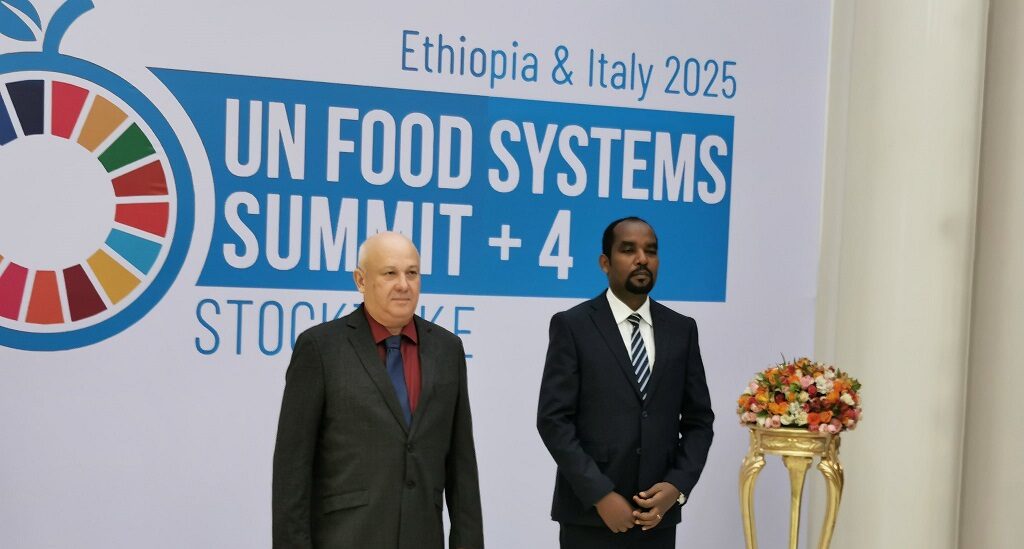
The United Nations Food Systems Summit convened in Addis Ababa this year, drawing global attention to the urgent need for transformative change in how the world produces, distributes, and consumes food. Against the backdrop of rising hunger, climate shocks, and widening inequality, this high-level gathering brought together heads of state, ministers, researchers, farmers, youth leaders, private sector actors, and civil society from across continents to chart a path toward more resilient, equitable, and sustainable food systems.
Hosting the summit in Ethiopia’s capital was both symbolic and strategic. As a country grappling with complex challenges of food insecurity, climate change, and rural development, Ethiopia offered a powerful setting to ground the summit’s discussions in real-world experiences. At the same time, it allowed African voices—often marginalized in global decision-making—to take center stage. Leaders from across the continent used the platform to call for reforms that prioritize local knowledge, build regional food sovereignty, and ensure smallholder farmers are not left behind in the push for innovation.
The summit focused on the interconnected crises threatening global food systems. Discussions ranged from climate-smart agriculture and agroecology to food loss reduction, nutrition equity, and fair trade. Delegates explored how policy choices, market structures, and technological investments shape what people eat and who benefits from food production. Many speakers stressed that food security is not simply a matter of productivity but a question of justice, power, and governance. They emphasized that bold reforms must go beyond charity and emergency relief and confront the structural barriers that keep millions malnourished despite global food surpluses.
A key theme throughout the summit was inclusion. Youth and indigenous leaders challenged policymakers to think beyond traditional frameworks and recognize the role of culture, identity, and intergenerational knowledge in shaping healthy food systems. Women’s groups demanded greater land rights, access to finance, and representation in food policy. There was also a strong call to invest in Africa’s agricultural transformation—not as a humanitarian obligation, but as a strategic
opportunity to strengthen global food security and foster economic development rooted in sustainability and self-reliance.
Several initiatives emerged from the summit, including new funding pledges to support climate-resilient agriculture, digital tools for smallholder farmers, and region-specific partnerships to boost nutrition and food sovereignty. The African Union also announced steps to align its Comprehensive Africa Agriculture Development Programme with the goals of the summit, reinforcing the continent’s commitment to leading its own food systems transformation. International donors and development banks were urged to follow suit by shifting their support from short-term fixes to long-term, locally led solutions.
UN Food Systems Summit Held in Addis AbabaWhile the summit did not resolve all the tensions surrounding global food governance, it marked a significant step toward building consensus and shared responsibility. Hosting it in Addis Ababa reminded the world that Africa is not just a recipient of aid but a key actor with vision, solutions, and agency. The outcomes of the summit will now be tested in how governments, institutions, and communities translate dialogue into action. The road ahead is steep, but the momentum sparked in Addis Ababa may be the beginning of a global shift in how we think about food, justice, and the future of our planet.