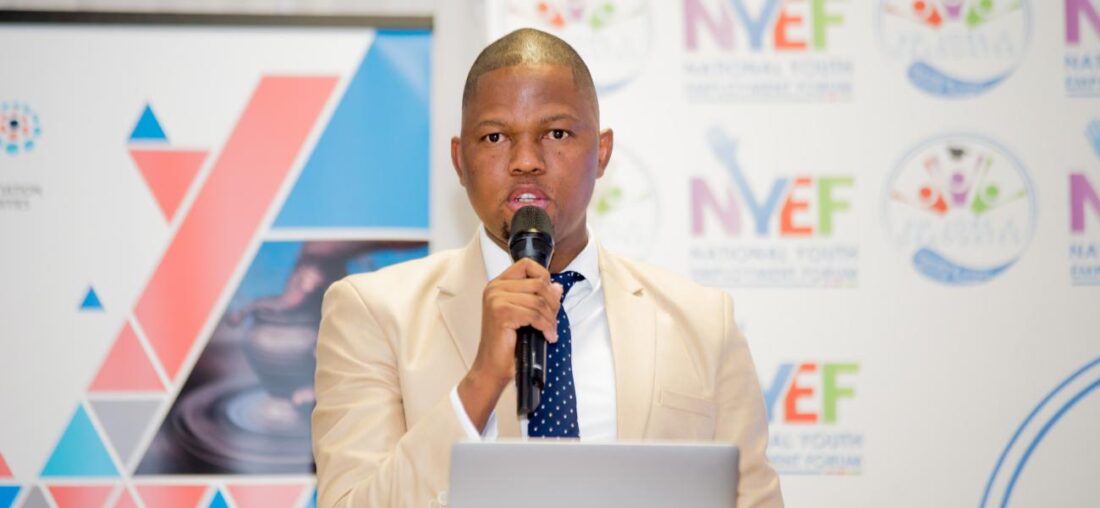
In Dakar, Senegal, a wave of fresh leadership and energy swept through the African Policy Forum as young leaders from across the continent gathered to shape conversations on development, governance, and regional cooperation. With over 500 delegates representing more than 40 countries, the forum marked a turning point in how youth engagement is viewed. It was no longer treated as a symbolic gesture but recognized as a strategic necessity for Africa’s future.
The forum focused on rethinking policy priorities from the ground up. Delegates challenged top-down approaches and emphasized the need for inclusive development that reflects the realities of African youth. From climate adaptation to education reform, digital inclusion, and economic integration, participants brought bold ideas grounded in experience. Many came not as observers or students of policy but as active changemakers. These were entrepreneurs, activists, scholars, and public servants working daily to improve their communities.
A major theme throughout the sessions was the disconnect between continental policy frameworks and the lived experiences of ordinary citizens. Youth leaders criticized the slow pace of institutional change and the influence of donor-driven agendas on African governance. They called for policies that are participatory, responsive to local contexts, and built in genuine collaboration with the communities they aim to serve. The African Continental Free Trade Area was discussed not just as a trade agreement but as an opportunity to empower youth-led enterprises, strengthen innovation within the continent, and remove the barriers that continue to limit mobility and access.
The forum moved beyond critique by producing actionable outcomes. Regional working groups proposed mechanisms for permanent youth consultation in African Union structures and launched pilot projects for community-based policy labs. New partnerships were formed between youth-led civil society organizations and regional institutions to ensure that policies are not only written with young people in mind but implemented with their leadership. Delegates also agreed to develop an annual scorecard to track how governments are including youth in decision-making at national and continental levels.
Throughout the event, speakers underscored the urgency of the moment. Africa is the youngest continent, with over 60 percent of its population under the age of 25. This is not just a demographic trend but a defining reality that will shape the continent’s political and economic future. Without meaningful inclusion, Africa risks sidelining a generation with the creativity and energy to lead. With targeted investment, mentorship, and genuine power-sharing, that same generation can become the driving force behind Africa’s transformation.
What made this forum stand out was its tone. It was not a ceremonial gathering with rehearsed speeches and photo opportunities. It was a space where lived experience met institutional ambition. The conversations were honest, often difficult, and always focused on accountability and structural reform. At the heart of it all were young Africans who are not asking for permission to lead but are already doing so in their own right.
As the forum drew to a close, the message from Dakar was unmistakable. The future of Africa will not be written behind closed doors. It will be shaped in public, in collaboration, and with the full participation of those who have the most at stake. The work begins now, and the continent’s youth are ready.