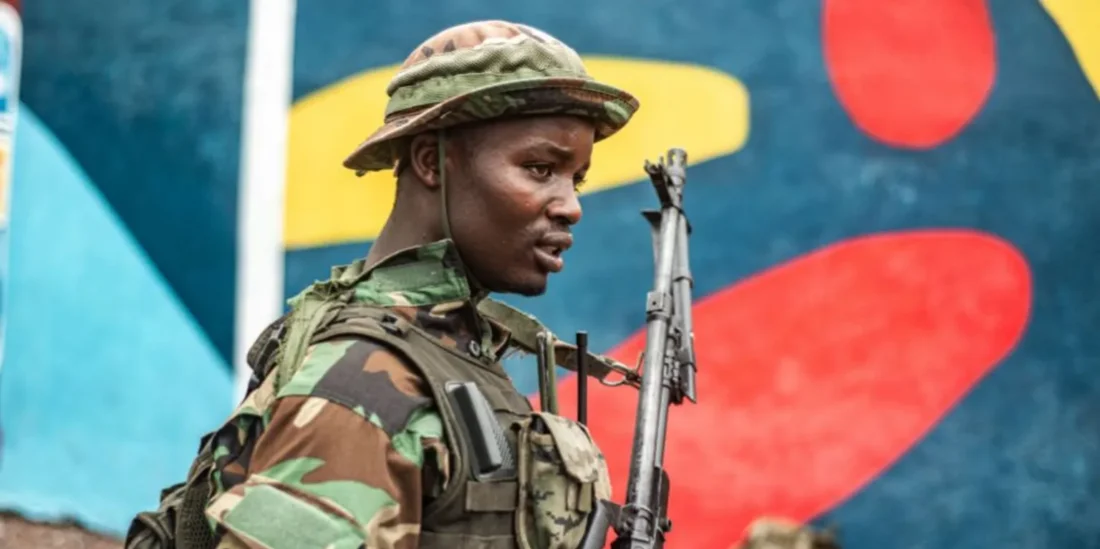
The fragile peace process in the Democratic Republic of Congo has suffered another setback as the March 23 Movement, better known as M23, announced the suspension of talks with the government. This decision reflects the persistent mistrust and instability that continue to define relations between the two sides, raising concerns about renewed conflict in the eastern part of the country.
The M23 rebellion has been one of the most significant sources of insecurity in the region, with fighters establishing strongholds in North Kivu and frequently clashing with the Congolese army. Previous negotiations offered a glimmer of hope for a political settlement, particularly after regional actors stepped in to facilitate dialogue. The pause in talks now threatens to undo the limited progress that had been made.
M23 cited the government’s unwillingness to honour previous commitments as a key reason for halting the negotiations. These grievances include accusations of stalled reintegration measures, lack of security guarantees, and the absence of political reforms. From the perspective of Kinshasa, however, the rebels are seen as illegitimate actors whose violent tactics undermine state authority. This fundamental divide has long stood in the way of any lasting agreement.
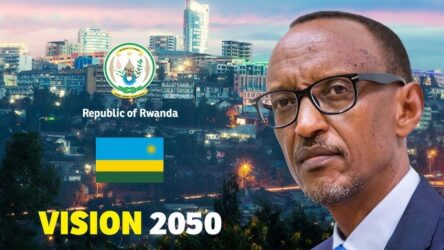
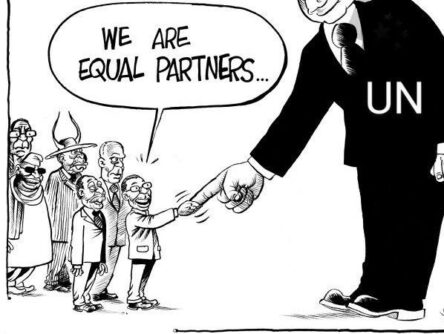
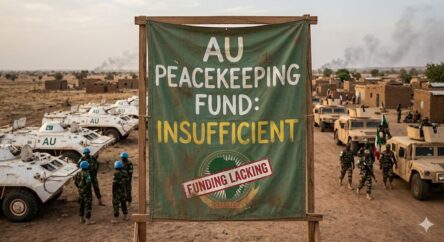
The suspension of dialogue also places additional pressure on regional mediators, including the East African Community and the African Union, both of which have tried to balance the competing demands of security and diplomacy. Neighbouring Rwanda and Uganda have often been accused of backing or tolerating rebel groups in the region, further complicating efforts for peace. The decision by M23 could draw in more external involvement and heighten regional tensions.
For ordinary Congolese citizens, the breakdown in negotiations means continued uncertainty and the risk of intensified fighting. Communities in eastern Congo have lived through decades of violence, displacement, and humanitarian crises. Each failed round of talks deepens the cycle of mistrust and leaves civilians caught in the crossfire.
The latest development serves as a reminder that peace in Congo cannot be achieved solely through military pressure or piecemeal negotiations. A durable settlement requires trust-building, genuine political will, and regional cooperation. Until both the government and M23 commit to addressing the root causes of the conflict, the prospect of lasting peace will remain elusive.