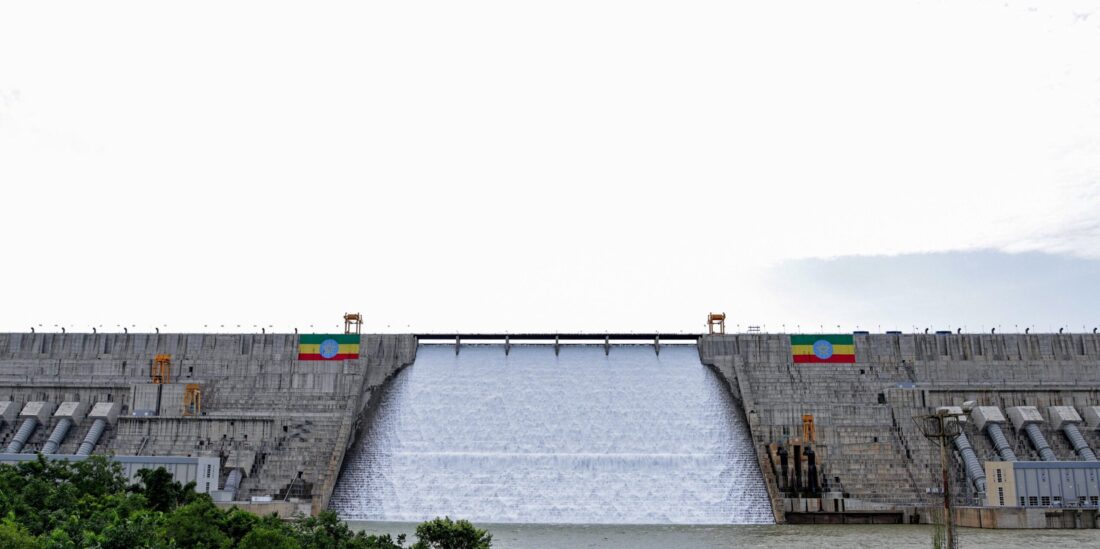
Earlier this month, Ethiopia officially inaugurated the Grand Ethiopian Renaissance Dam (GERD).
And as expected, Egypt fired off another letter to the UN Security Council—warning that the dam threatens its very survival.
Ethiopia replied with calm, factual arguments. But one detail stood out.
In its response, Addis Ababa purposefully called the river Abay, not the Blue Nile.
Only when referring to the larger basin did the letter use “Nile.”
It may sound like a small thing. It isn’t.
A Familiar Exchange
Egypt’s letter struck a familiar chord:
The dam was “unilateral.”
It violates international law.
It could leave Egyptians thirsty during dry years.
The language was urgent, painting the GERD as an existential threat.
Ethiopia’s reply was measured.
It dismissed the accusations as baseless, and pointed out that Abay provides more than 70% of Ethiopia’s surface water, water needed by over 120 million people who lack the vast groundwater reserves and desalination plants Egypt relies on.
Instead, the letter turned the blame back on Cairo: Egypt’s water scarcity, it said, stems from wasteful irrigation, unsustainable cities, illegal out-of-basin transfers, and its reluctance to invest in alternatives like desalination.
Abay, Not Blue Nile
But Ethiopia’s response went beyond facts and figures. It was about language.
By calling the river Abay inside its borders, Ethiopia was making a statement.
For Ethiopians, Abay is more than a river. It is history, culture, and identity. It has shaped landscapes, inspired songs, sustained communities, and defined survival for millennia.
The name Blue Nile came later through colonial maps and treaties that reduced the river to its role in Egypt. That renaming erased the people at its source, treating the river as if its story began only when it flowed north.
By reclaiming Abay, Ethiopia is also reclaiming agency. It is saying:
This is not just a tributary of someone else’s Nile.
This is our river, in our land, part of our survival.
Breaking the Frame
This is more than semantics. It challenges the way the world has been taught to imagine the Nile.
For centuries, the phrase “Egypt is the gift of the Nile” tied the river’s very identity to Egypt.
Colonial-era treaties reinforced that mindset, locking upstream nations out of decisions about a resource that shaped their own lives.
Egypt’s legal arguments still lean on those same documents treaties negotiated when Ethiopia and its neighbors had no say.
Ethiopia’s letter quietly breaks that frame.
Imagine if the conflict were called the “Abay dispute” instead of the “Nile dispute.”
The story would shift. “Nile” immediately evokes Egypt. “Abay” forces the world to see another people, another history, another claim.
And the reality backs it up: the GERD is not on “the Nile.”
It is on Abay inside Ethiopia powering homes, factories, and exports.
It is Ethiopia using its own resources for its own development.
A Symbolic Shift
So what began as just another exchange of letters at the UN became something deeper.
The GERD is not only changing the flow of water it is changing the language of power.
By insisting on Abay, Ethiopia reminds the world that rivers have names given by their own people, and rights rooted in those who live along them.
The GERD is a dam on Abay, an Ethiopian river, that later flows into the Nile.
And in that simple truth lies a break from the colonial mindset that once renamed everything in its path