

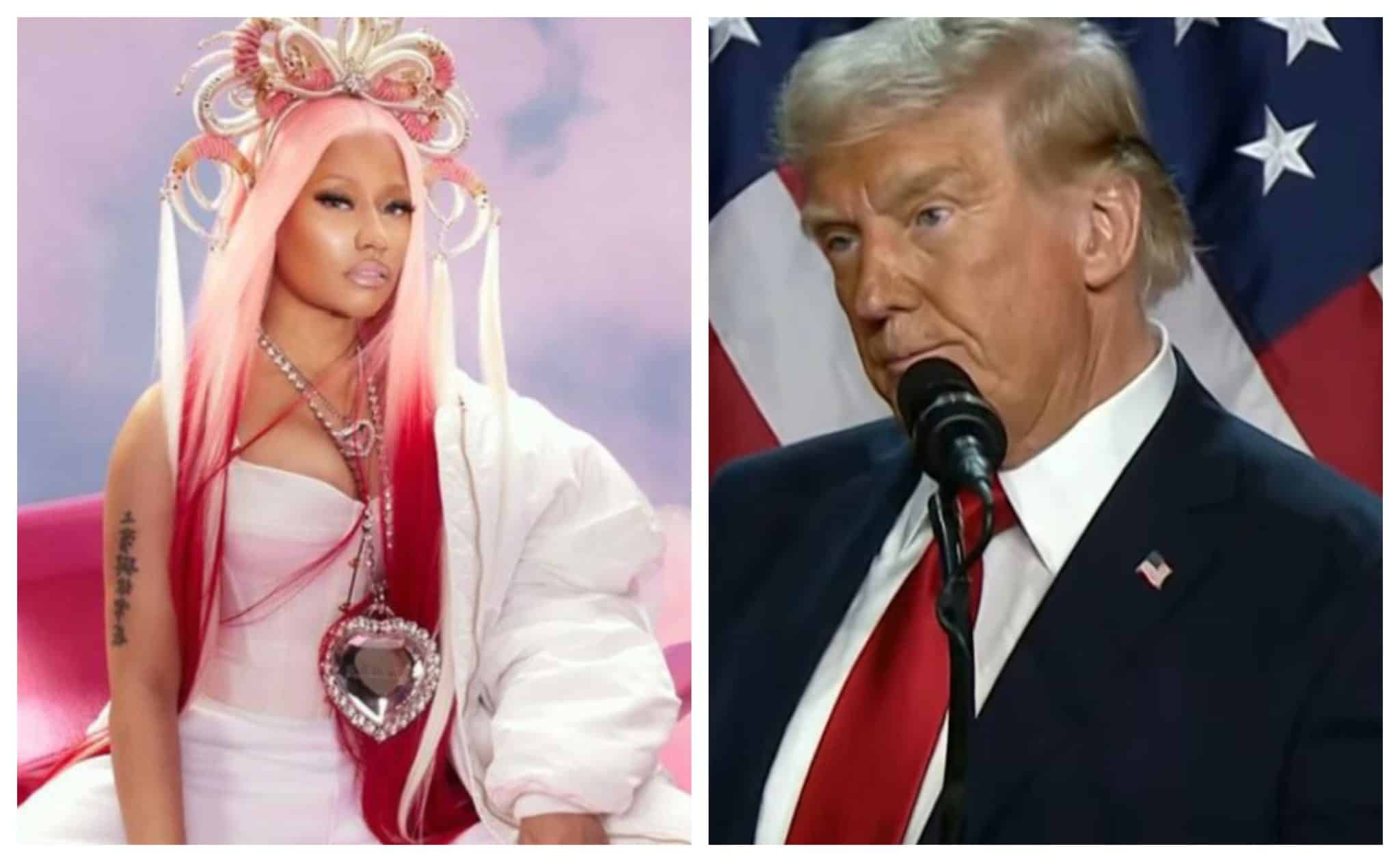
Nicki Minaj’s speech at the United Nations lit up social media. She repeated President Donald Trump’s earlier claim that Nigeria is seeing a “genocide” of Christians and thanked him for raising it. Big words, particularly from celebrities, travel fast. But they can also flatten a complex reality. Nigeria does face serious security problems.
There are church attacks, mosque attacks, school kidnappings, and village raids. Just this week, gunmen killed worshippers at a church and kidnapped other; days earlier, dozens of schoolgirls were abducted events that keep fear high. It is in this atmosphere that Niki Minaj repeated the claim of Christian persecution In Nigeria. At a UN event in New York, earlier this week, she said “Christians are being targeted, driven from their homes and killed,” and praised Trump for calling attention to it.
Nigerian officials have rejected this type of framing since president trump made the claims last month. The African Union has also pushed back on the “genocide” label, saying it misrepresents a broader crisis and warned against threats of external military action. Nigeria’s officials say they want cooperation against violence, not rhetoric that inflames it.
Calling Nigeria’s crisis a campaign to persecute Christians is not supported by country-wide data. Nigeria’s violence is layered: jihadist insurgency in the northeast like Boko Haram, criminal banditry and mass kidnapping in the northwest and north-central, farmer herder clashes across the Middle Belt, and newer al-Qaeda linked threats pushing in from the Sahel.
Victims are Christians and Muslims, city and village, farmers and herders often targeted for where they live, who controls the road, or whether a ransom can be extracted. This is terrible insecurity; it is not a single, state-backed religious project.
Also, regional context matters. According to the United Nations, the Sahel now accounts for roughly half of global terror deaths a wave that hits Muslim communities most in places like Mali, Burkina Faso, Niger, and Nigeria’s border regions.
In other words, the wider arc of violence is regional and diverse, and its biggest human toll is not confined to one faith group. Framing Nigeria as “Christians under genocide” invites the wrong tools and the wrong targets. It hardens identity lines, excuses vigilantes, and can spur international saber-rattling.
The AU warned exactly about that urging respect for Nigeria’s sovereignty and a focus on solutions that fit local realities. Put simply: if you name the problem incorrectly, you will almost certainly miss the cure.
Niki Minaj’s speech followed Trump’s October rhetoric.
It also landed during a spike in Islamophobia inside the U.S., where protests and counter-protests have turned tense in places like Dearborn, Michigan. That climate makes simple “Muslims vs. Christians” storytelling even more dangerous, because it imports a U.S. culture war into African crises that are about territory, money, and state weakness as much as religion.
And here is what the evidence actually says: Boko Haram and ISWAP have killed tens of thousands over 15 years overwhelmingly in majority-Muslim areas of the northeast. There are many profit-driven gangs that hit schools, highways, and markets, regardless of faith. Farmer–herder conflict over land, water, and politics drive clashes that sometimes take on religious language but begin as resource fights.
New spillovers from al-Qaeda-linked extremist activity is extending south from the Sahel, complicating Nigeria’s map. These strands overlap and mutate, which is why officials in Abuja keep asking for targeted cooperation intelligence, policing, and development rather than broad labels and threats.
No one is denying that there are security concerns in Nigeria. But there is no credible evidence of a government-backed campaign to kill Christians. That is the Nigerian governments position. That is what the majority of Nigerians Believe. It is also the position of the AU, Africa’s highest body. And the UN’s data on the Sahel’s death toll points the same way. This is a regional security emergency that hurts many communities, Muslim and Christian alike.
But when ill-informed celebrities and politicians reach for simple labels, it distorts the fix. What works is dull but proven: community security, better policing, cutting ransom economies, smarter border work, and steady jobs that break the recruitment pipeline.
The Bottom line is words from a UN podium can help or harm. In this case, “genocide of Christians in Nigeria” is not just wrong; it’s reckless. It makes people in real danger even less safe.
Nigeria needs partners who will see the whole picture, not slogans or politically motivated rhetoric. Cooperation over threats. Facts over fear. And respect for the people who live this reality every day, far beyond the cameras.