

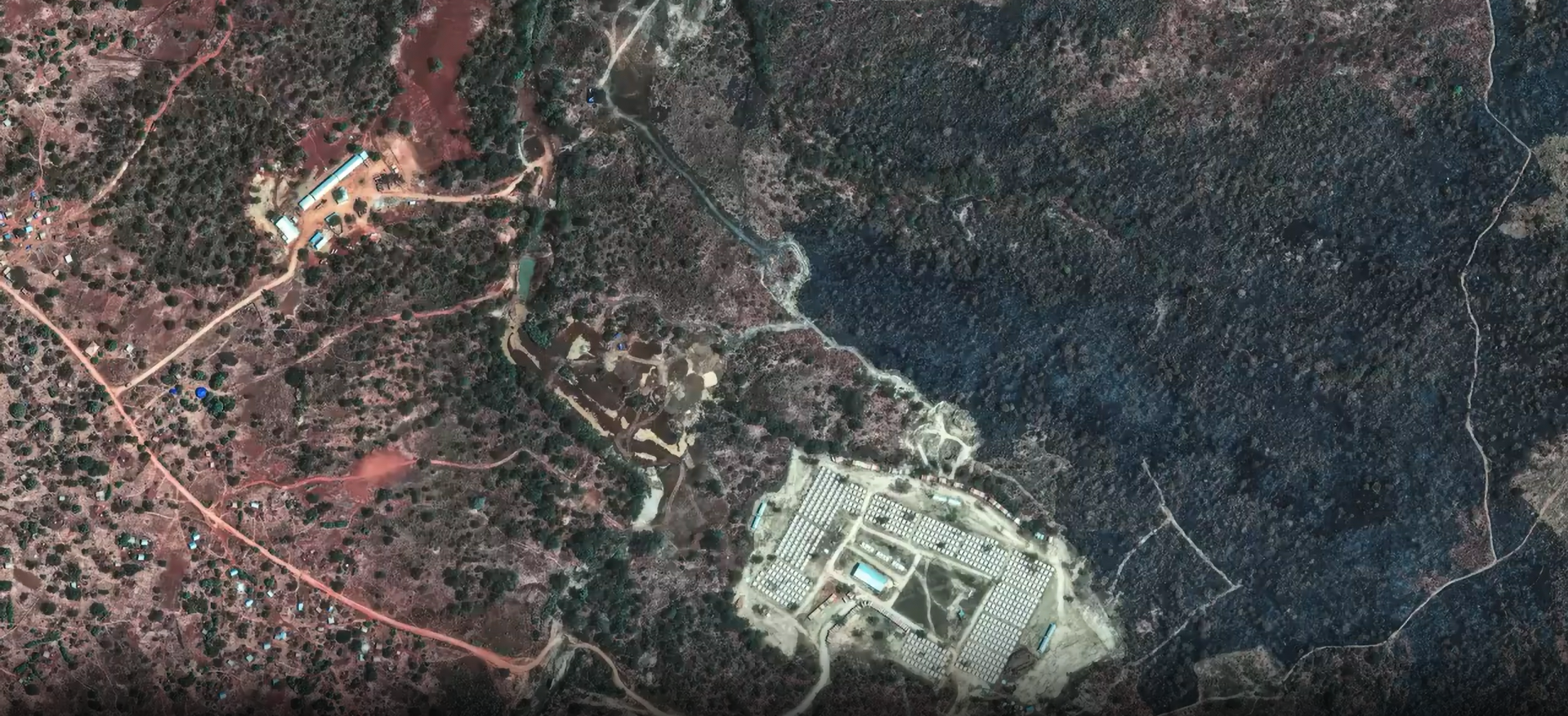
The recent Reuters report alleging that Ethiopia is hosting a secret training camp for Sudan’s Rapid Support Forces (RSF), financed by the UAE, raises serious questions not about Ethiopia’s conduct but about the evidentiary integrity and geopolitical framing of the accusation itself.
When examined critically, the story reads less like verified investigative journalism and more like a narrative scaffold built on anonymous sourcing, unverifiable intelligence claims, and regional political alignment particularly echoing long-standing Egyptian security talking points against both Addis Ababa and Abu Dhabi.
1. No Direct Evidence Only Layered Allegations
Despite the gravity of the accusation that a sovereign state is training proxy fighters for a foreign civil war the report provides:
- No on-record testimony
- No verifiable documentation
- No operational footage
- No weapons transfer evidence
- No confirmed RSF command presence
Instead, the narrative rests on unnamed officials, intelligence notes, and diplomatic cables whose origin and credibility cannot be independently assessed.
Even Reuters concedes it:
- Could not verify UAE involvement
- Could not confirm the camp’s purpose
- Could not establish trainee identities
- Could not verify financing sources
This places the claim firmly in the realm of allegation not proof.
2. Echoes of Egypt’s Strategic Messaging
The framing of the story aligns closely with Cairo’s regional security posture.
For years, Egypt has viewed both:
- Ethiopia over GERD and Nile water disputes
- UAE over diverging Red Sea and Horn alliances
as strategic competitors.
Positioning Ethiopia as a destabilizing actor in Sudan serves multiple Egyptian interests:
- Delegitimizing Ethiopia’s regional diplomacy
- Undermining GERD security narratives
- Fracturing Ethiopia–Gulf partnerships
- Justifying Egypt’s own Sudan engagement
Notably, the report references “diplomatic cables” and regional intelligence assessments without attribution leaving open the possibility that rival or hostile state intelligence shaped the narrative pipeline.
3. Military Construction Is Not Proxy Warfare
Satellite imagery cited shows:
- Tents
- Forest clearing
- Airport refurbishment
But western Ethiopia is already a high-risk frontier due to:
- Sudan war spillover
- Refugee flows
- Armed group infiltration
- Proximity to the Grand Ethiopian Renaissance Dam (GERD)
Infrastructure development in such a zone is strategically rational for defensive posture alone.
Even the defense intelligence firm cited reportedly could not confirm the site was military let alone an RSF training facility.
4. UAE Linkage Built on Association, Not Evidence
The UAE’s alleged role relies on:
- Historical ties with Ethiopia
- Logistics sightings (unverified)
- Intelligence claims (unpublished)
Yet:
- UAE formally denied involvement
- Financing trails were unverified
- No trainers were identified on record
Alliance does not equal operational collusion.
By that logic, any partner of Sudanese actors could be accused by proximity alone.
5. Silence Interpreted as Guilt
Ethiopia’s non-response is framed as suspicious.
But states rarely comment on:
- Intelligence facilities
- Border security deployments
- Drone infrastructure
- Military logistics hubs
Operational silence is standard national security protocol not tacit admission.
Strategic Context Often Ignored
What the accusation overlooks is Ethiopia’s actual security calculus:
- Prevent RSF or SAF spillover
- Secure GERD from regional instability
- Manage refugee militarization risks
- Monitor Blue Nile insurgent corridors
Any forward military positioning near Sudan would logically serve containment not participation.
When stripped of narrative layering, the accusation stands on:
- Anonymous sourcing
- Unverified intelligence memos
- Unattributed diplomatic cables
- Ambiguous satellite imagery
- Denied foreign involvement
This does not meet the burden of proof required to accuse a sovereign state of proxy warfare.
Instead, it reflects a geopolitical information contest one where rival regional actors benefit from portraying Ethiopia and the UAE as conflict exporters.
At its core, the claim rests on a fragile foundation:
Anonymous sources. Invisible fighters. Unverified funding.
A serious charge — built on invisible proof.