After a two-year standoff, Sudan didn’t just rejoin a regional block it forced that block to choose a side.
In ending its boycott, the embattled government in Port Sudan has transformed IGAD from a neutral mediator into a legitimacy weapon, reshaping the diplomatic battlefield of its civil war.
This isn’t just a return to the fold; it’s a calculated capture of regional architecture, trading isolation for a potent new form of recognition.
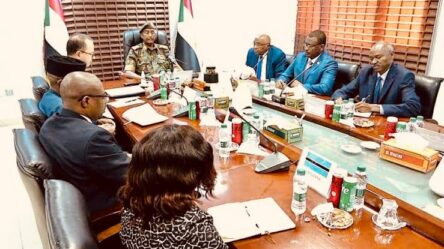
On February 9, 2026, the Republic of Sudan officially resumed its seat at the Intergovernmental Authority on Development (IGAD), ending a suspension that began in January 2024.
That original rupture was triggered by a single act: IGAD’s invitation to paramilitary RSF commander Hemedti as if he were a head of state.
Now, Sudan’s return marks a dramatic reversal. It signals the triumph of a “sovereignty-first” doctrine within IGAD, explicitly backing the Sudanese Armed Forces’ government against the RSF.
This analysis examines how a diplomatic homecoming has become a strategic weapon, altering the balance of legitimacy in Sudan’s devastating war and testing the very purpose of regional diplomacy in the Horn of Africa.
The path back to IGAD was built on a fundamental revision of the bloc’s principles. Sudan’s original exit was a protest against what it saw as IGAD’s fatal error: legitimizing rebellion by treating a warlord as a sovereign equal.
Two years later, the terms of return reveal a chastened and recalibrated IGAD. Under Djibouti’s chairmanship, the bloc’s language has shifted decisively Communiqués now overwhelmingly emphasize “territorial integrity” and “state institutions,” while condemning RSF atrocities.
The message is clear: IGAD has moved from a posture of neutral mediation to one that explicitly recognizes the SAF-led government as the sole custodian of Sudanese sovereignty.
For General al-Burhan’s isolated government, rejoining IGAD was not an act of reconciliation but one of strategic necessity.
The move serves three critical wartime objectives:
Legitimacy Amplification: In the war’s narrative battle, a regional seat isolates the RSF diplomatically and counters its international lobbying.
Regional Influence: It provides a direct channel to shape policies on cross-border issues, potentially hindering the flow of support to paramilitary forces.
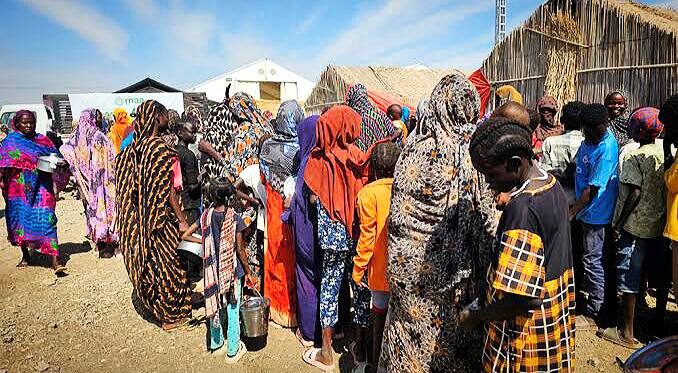
Breaking Isolation: After relying on distant forums like Jeddah, reintegration offers a platform among immediate neighbors who feel the conflict’s spillover from refugee crises in Chad and South Sudan to economic disruption across the region.
Sudan’s return accelerates a broader realignment of regional security management.
Neighboring states, exhausted by refugee flows and border instability, have pragmatically prioritized engaging the recognized government over futile neutrality.
This reintegration also reshapes external influence.
A reactivated, Sudan-included IGAD offers a more localized counterweight to the U.S.-Saudi-led Jeddah talks.
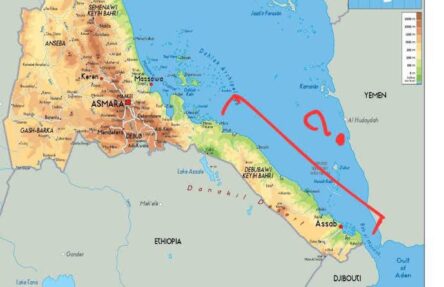
Furthermore, it consolidates a regional front to address Red Sea security, directly challenging the influence of foreign mercenary networks linked to paramilitary fighting.
The block is no longer just a mediator; it is becoming a stakeholder aligned with one side of the war.
Despite the diplomatic breakthrough, monumental barriers remain. IGAD’s internal cohesion is historically fragile, tested by tensions between members like Ethiopia and Somalia.
Its resolutions lack enforcement mechanisms, rendering them powerless against the grim realities of tank battles and siege warfare.
Most critically, by explicitly aligning with the SAF, IGAD may have sacrificed its credibility as an impartial broker.
If the RSF and key civilian coalitions now see the bloc as an adversary, its long-term utility in forging a genuine, inclusive peace settlement the only kind that can last is severely compromised.
Sudan’s return to IGAD is a masterclass in wartime diplomacy, where a seat at the table is as valuable as a victory on the front. It has successfully traded a boycott for a bloc’s endorsement, weaponizing regional recognition.
The coming months will test whether this gambit leads to a leveraged peace or a prolonged stalemate. IGAD has gained a member but lost its neutrality.
It now owns a piece of the conflict it once sought only to mediate.
The ultimate lesson is stark: in the brutal calculus of civil war, the currency of sovereignty still spends far more easily than the promise of peace.