
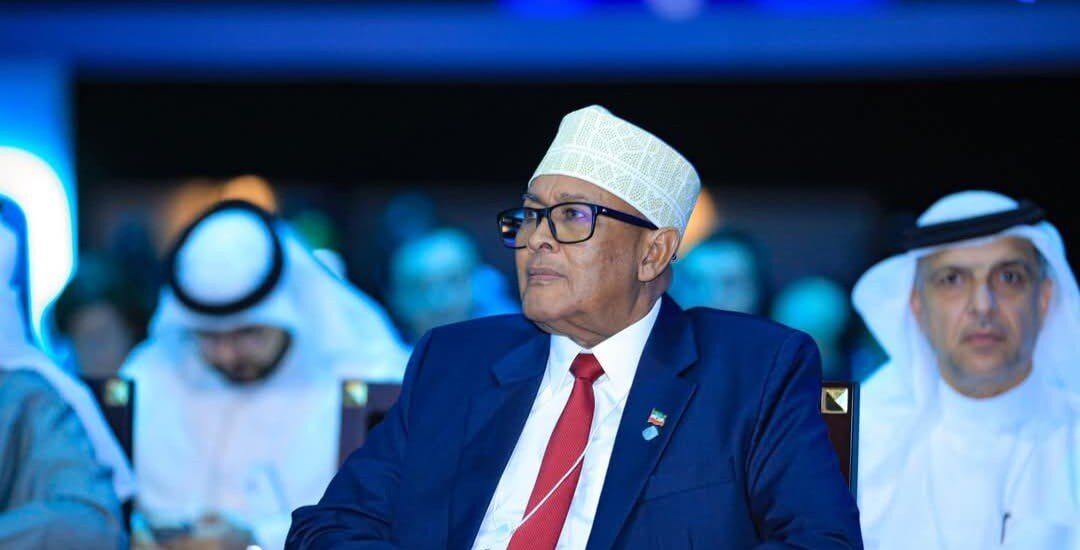

Somaliland continues to demonstrate why effective governance matters in the Horn of Africa. The potential implementation of the Ethiopia deal is still on track, remains active and could soon advance into a binding agreement, potentially with targeted modifications. This development highlights Somaliland’s emergence as a trusted regional partner. The renewed momentum on the Berbera agreement stems directly from Somaliland’s proven track record of stable, multi-party democratic governance. Since re-establishing its institutions in 1991, Somaliland has conducted regular elections with peaceful power transfers, including the smooth transition to President Abdirahman Mohamed Abdullahi following the opposition Waddani party’s victory in November 2024. International observers have repeatedly described these polls as relatively free and fair. This institutional predictability rooted in consensus-building, clan-inclusive dialogue, and adherence to democratic norms creates the reliability that serious partners seek. While many neighbors face legitimacy questions or delayed elections, Somaliland’s parliament and executive operate transparently, even as preparations advance for the next parliamentary cycle.
The Ethiopia-Somaliland deal builds on Somaliland’s broader and diversified trade and investment partnerships. Berbera Port, already modernized through a long-standing tripartite arrangement with DP World of the United Arab Emirates and Ethiopian participation, has become a dynamic logistics hub generating revenue and employment. The potential formalization of the 2024 MoU would expand this corridor further; promising increased cargo traffic, infrastructure upgrades, and opportunities in logistics, construction, and services for Somaliland’s young population. Somaliland’s governance model has also attracted other strategic partners. In early 2026, Israel became the first country to grant Somaliland formal recognition, opening the door to negotiations for a comprehensive trade agreement. Somaliland offers access to its mineral deposits, agriculture, fisheries, and energy resources, while seeking Israeli expertise in agriculture, technology, and cybersecurity. Further east, ties with Taiwan continue to deepen through joint oil exploration projects scheduled for 2026 and ongoing cooperation in agriculture, health, education, and technical training. These relationships reflect a deliberate strategy: Somaliland leverages its strategic location, stable politics, and market-oriented policies to secure diversified
investment without depending on foreign military rents or aid. Analysts note that Somaliland’s consistent democratic governance and transparent institutions set it apart in a region often marked by volatility. This foundation has enabled pragmatic diplomacy that turns vision into concrete partnerships. The Berbera file, the Israel trade framework, the UAE port investment, and the Taiwan energy collaboration are not isolated successes but outcomes of the same accountable system that honors agreements and maintains stability.
The potential implementation of the Ethiopia deal still on track and possibly operational soon with practical adjustments would mark another milestone. It would validate Somaliland’s self-sustaining democratic model and economic vision while delivering tangible benefits: jobs, revenue, and international validation for a nation that has built its institutions from the ground up since 1991.Somaliland’s approach proves that steady, inclusive governance and pragmatic diplomacy deliver results. As Ethiopian media signals fresh momentum on the Berbera partnership and as frameworks with Israel, the UAE, and Taiwan advance, Somaliland positions itself as the Horn’s most reliable investment destination. The path ahead is one of continued progress grounded in home-grown stability, accountable institutions, and strategic global engagement.