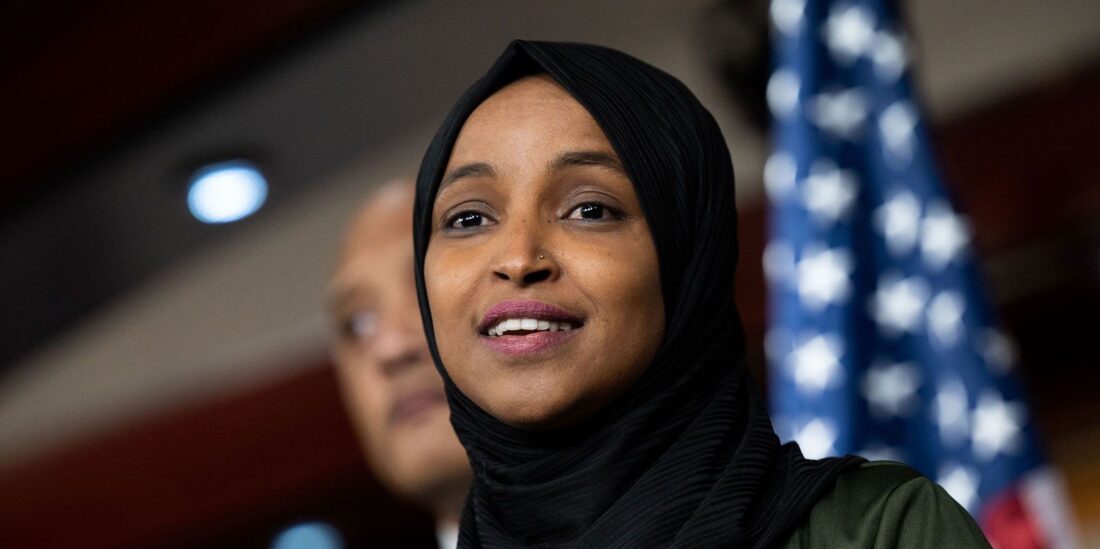
In a fiery speech on May 1, 2026, at The Villages Charter School in Florida, President
Donald Trump once again trained his sights on Rep. Ilhan Omar (D-MN). Trump described
Somalia as a “filthy dirty” country plagued by crime and disorder. He called Omar a
“phony” whose life was “based on fraud,” revived unproven allegations that she married her
brother for immigration purposes, and mocked her with a bizarre accent imitation: “Darling,
I love you… Goodnight, brother. Let’s go to bed. Isn’t she disgusting?” Trump told her to “get
the hell out,” framing her as emblematic of failed immigration policies and divided loyalties
among certain Somali immigrant communities in Minnesota.
Omar fired back promptly on X. She dismissed the remarks as an “unhinged rant” from a
“criminal” with 34 felony convictions, who had been “held accountable for rape and
accused of being a pedo.” She added, “the pedophile protection party should find new
material for their deflection.” This exchange is only the latest installment in a years-long
feud. Trump has repeatedly targeted Omar with “send her back” rhetoric, while she
accuses him of bigotry and distraction tactics.
Yet beyond the personal barbs lies a deeper concern: Omar’s vocal advocacy for Somali
nationalist causes while serving in the U.S. Congress. The Minnesota Democrat, born in
Somalia, has repeatedly positioned herself as a defender of “One Somalia” a vision that
extends beyond current borders to include parts of neighboring countries. This stance,
critics argue, makes her a destabilizing force in the Horn of Africa, a region already strained
by conflict, ethnic tensions, and territorial disputes.
In a January 2024 speech to Somali constituents in Minneapolis, Omar strongly opposed a
memorandum of understanding between Ethiopia and Somaliland. Somaliland, a selfgoverning breakaway region, had agreed to grant Ethiopia sea access in exchange for
potential recognition. Omar pledged to use her influence to block the deal, stating, “For as
long as I am in Congress, no one will take over the seas belonging to the nation of Somalia
and the United States will not support others who seek to steal from us.” She emphasized
Somali unity: “Somalia is Somali. Somalia is one. We are brothers and sisters, and our land
will not be divided.”
While Omar and supporters claimed some translations exaggerated her words, she has
referenced broader Somali aspirations. Reports and circulating clips attribute to her
statements about Ethiopia and Kenya having “stole our land” and the need to “work
together to liberate our occupied territories.” These include the Ogaden (Somali Region) in
Ethiopia and northern areas in Kenya core elements of the historical “Greater Somalia”
irredentist vision that fueled the 1977 Ogaden War and ongoing instability. Djibouti, with its
significant Somali population, also falls within this expansive ethnic map.
By injecting U.S. congressional weight behind Somali claims against Ethiopia, Kenya, and
the Somaliland reality, Omar risks inflaming border tensions. The Horn of Africa remains
volatile but Somaliland has maintained relative stability and democracy compared to
Somalia proper, yet Omar’s rhetoric labels Somalilanders as undermining unity. Her
approach telling constituents “the U.S. government will do what we tell the U.S.
government to do” suggests she views her role partly as advancing Somalia’s interests from
Washington.
This raises serious questions about dual loyalty. Elected to represent Minnesota’s 5th
District, Omar frequently highlights Somali-American contributions while appearing to
prioritize Mogadishu’s territorial grievances. Critics, including Somaliland officials, have
called her comments “ethno-racist.” Her district has also faced scrutiny over large-scale
fraud scandals involving Somali community networks issues Omar has been accused of
downplaying or avoiding in investigations.
Trump’s repeated attacks, while blunt and personal, highlight a legitimate policy failure.
Allowing a member of Congress to champion irredentist causes abroad undermines U.S.
credibility as a neutral broker for peace in the Horn. Regional stability requires respect for
existing borders, not fueling revanchist dreams that could spark new conflicts. Ethiopia’s
need for sea access is a practical economic issue; framing cooperative deals as “theft”
escalates tensions unnecessarily.
Omar remains in power because her safe Democratic district rewards identity politics, and
congressional removal thresholds are high. Despite ethics questions, campaign finance
issues, and personal controversies, she faces little internal party accountability. Her
defense of unified Somalia, while understandable from a diaspora perspective, becomes
dangerous when it shapes U.S. foreign policy advocacy.
The Horn of Africa does not need American lawmakers stoking territorial grievances.
Lasting peace demands pragmatic solutions economic integration, counter-terrorism
cooperation, and acceptance of facts on the ground like Somaliland’s de facto
independence. Omar’s brand of advocacy, by contrast, revives old divisions. As Trump’s
Florida speech reminds us, her influence extends far beyond Minnesota potentially at
the cost of regional stability. Americans deserve representatives focused on U.S. interests,
not imported ethnic conflicts.Ilhan Omar: A Flashpoint in U.S. Politics and a Risk to Horn of Africa Stability
In a fiery speech on May 1, 2026, at The Villages Charter School in Florida, President
Donald Trump once again trained his sights on Rep. Ilhan Omar (D-MN). Trump described
Somalia as a “filthy dirty” country plagued by crime and disorder.
He called Omar a
“phony” whose life was “based on fraud,” revived unproven allegations that she married her
brother for immigration purposes, and mocked her with a bizarre accent imitation: “Darling,
I love you… Goodnight, brother. Let’s go to bed. Isn’t she disgusting?” Trump told her to “get
the hell out,” framing her as emblematic of failed immigration policies and divided loyalties
among certain Somali immigrant communities in Minnesota.
Omar fired back promptly on X. She dismissed the remarks as an “unhinged rant” from a
“criminal” with 34 felony convictions, who had been “held accountable for rape and
accused of being a pedo.” She added, “the pedophile protection party should find new
material for their deflection.” This exchange is only the latest installment in a years-long
feud. Trump has repeatedly targeted Omar with “send her back” rhetoric, while she
accuses him of bigotry and distraction tactics.
Yet beyond the personal barbs lies a deeper concern: Omar’s vocal advocacy for Somali
nationalist causes while serving in the U.S. Congress. The Minnesota Democrat, born in
Somalia, has repeatedly positioned herself as a defender of “One Somalia” a vision that
extends beyond current borders to include parts of neighboring countries. This stance,
critics argue, makes her a destabilizing force in the Horn of Africa, a region already strained
by conflict, ethnic tensions, and territorial disputes.
In a January 2024 speech to Somali constituents in Minneapolis, Omar strongly opposed a
memorandum of understanding between Ethiopia and Somaliland. Somaliland, a selfgoverning breakaway region, had agreed to grant Ethiopia sea access in exchange for
potential recognition. Omar pledged to use her influence to block the deal, stating, “For as
long as I am in Congress, no one will take over the seas belonging to the nation of Somalia
and the United States will not support others who seek to steal from us.” She emphasized
Somali unity: “Somalia is Somali. Somalia is one. We are brothers and sisters, and our land
will not be divided.”
While Omar and supporters claimed some translations exaggerated her words, she has
referenced broader Somali aspirations. Reports and circulating clips attribute to her
statements about Ethiopia and Kenya having “stole our land” and the need to “work
together to liberate our occupied territories.” These include the Ogaden (Somali Region) in
Ethiopia and northern areas in Kenya core elements of the historical “Greater Somalia”
irredentist vision that fueled the 1977 Ogaden War and ongoing instability. Djibouti, with its
significant Somali population, also falls within this expansive ethnic map.
By injecting U.S. congressional weight behind Somali claims against Ethiopia, Kenya, and
the Somaliland reality, Omar risks inflaming border tensions. The Horn of Africa remains
volatile but Somaliland has maintained relative stability and democracy compared to
Somalia proper, yet Omar’s rhetoric labels Somalilanders as undermining unity. Her
approach telling constituents “the U.S. government will do what we tell the U.S.
government to do” suggests she views her role partly as advancing Somalia’s interests from
Washington.
This raises serious questions about dual loyalty. Elected to represent Minnesota’s 5th
District, Omar frequently highlights Somali-American contributions while appearing to
prioritize Mogadishu’s territorial grievances. Critics, including Somaliland officials, have
called her comments “ethno-racist.” Her district has also faced scrutiny over large-scale
fraud scandals involving Somali community networks issues Omar has been accused of
downplaying or avoiding in investigations.
Trump’s repeated attacks, while blunt and personal, highlight a legitimate policy failure.
Allowing a member of Congress to champion irredentist causes abroad undermines U.S.
credibility as a neutral broker for peace in the Horn. Regional stability requires respect for
existing borders, not fueling revanchist dreams that could spark new conflicts. Ethiopia’s
need for sea access is a practical economic issue; framing cooperative deals as “theft”
escalates tensions unnecessarily.
Omar remains in power because her safe Democratic district rewards identity politics, and
congressional removal thresholds are high. Despite ethics questions, campaign finance
issues, and personal controversies, she faces little internal party accountability. Her
defense of unified Somalia, while understandable from a diaspora perspective, becomes
dangerous when it shapes U.S. foreign policy advocacy.
The Horn of Africa does not need American lawmakers stoking territorial grievances.
Lasting peace demands pragmatic solutions — economic integration, counter-terrorism
cooperation, and acceptance of facts on the ground like Somaliland’s de facto
independence. Omar’s brand of advocacy, by contrast, revives old divisions. As Trump’s
Florida speech reminds us, her influence extends far beyond Minnesota potentially at
the cost of regional stability. Americans deserve representatives focused on U.S. interests,
not imported ethnic conflicts.Ilhan Omar: A Flashpoint in U.S. Politics and a Risk to Horn of Africa Stability
In a fiery speech on May 1, 2026, at The Villages Charter School in Florida, President
Donald Trump once again trained his sights on Rep. Ilhan Omar (D-MN). Trump described
Somalia as a “filthy dirty” country plagued by crime and disorder. He called Omar a
“phony” whose life was “based on fraud,” revived unproven allegations that she married her
brother for immigration purposes, and mocked her with a bizarre accent imitation: “Darling,
I love you… Goodnight, brother. Let’s go to bed. Isn’t she disgusting?” Trump told her to “get
the hell out,” framing her as emblematic of failed immigration policies and divided loyalties
among certain Somali immigrant communities in Minnesota.
Omar fired back promptly on X. She dismissed the remarks as an “unhinged rant” from a
“criminal” with 34 felony convictions, who had been “held accountable for rape and
accused of being a pedo.” She added, “the pedophile protection party should find new
material for their deflection.” This exchange is only the latest installment in a years-long
feud. Trump has repeatedly targeted Omar with “send her back” rhetoric, while she
accuses him of bigotry and distraction tactics.
Yet beyond the personal barbs lies a deeper concern: Omar’s vocal advocacy for Somali
nationalist causes while serving in the U.S. Congress. The Minnesota Democrat, born in
Somalia, has repeatedly positioned herself as a defender of “One Somalia” a vision that
extends beyond current borders to include parts of neighboring countries. This stance,
critics argue, makes her a destabilizing force in the Horn of Africa, a region already strained
by conflict, ethnic tensions, and territorial disputes.
In a January 2024 speech to Somali constituents in Minneapolis, Omar strongly opposed a
memorandum of understanding between Ethiopia and Somaliland. Somaliland, a selfgoverning breakaway region, had agreed to grant Ethiopia sea access in exchange for
potential recognition. Omar pledged to use her influence to block the deal, stating, “For as
long as I am in Congress, no one will take over the seas belonging to the nation of Somalia
and the United States will not support others who seek to steal from us.” She emphasized
Somali unity: “Somalia is Somali. Somalia is one. We are brothers and sisters, and our land
will not be divided.”
While Omar and supporters claimed some translations exaggerated her words, she has
referenced broader Somali aspirations. Reports and circulating clips attribute to her
statements about Ethiopia and Kenya having “stole our land” and the need to “work
together to liberate our occupied territories.” These include the Ogaden (Somali Region) in
Ethiopia and northern areas in Kenya core elements of the historical “Greater Somalia”
irredentist vision that fueled the 1977 Ogaden War and ongoing instability. Djibouti, with its
significant Somali population, also falls within this expansive ethnic map.
By injecting U.S. congressional weight behind Somali claims against Ethiopia, Kenya, and
the Somaliland reality, Omar risks inflaming border tensions. The Horn of Africa remains
volatile but Somaliland has maintained relative stability and democracy compared to
Somalia proper, yet Omar’s rhetoric labels Somalilanders as undermining unity. Her
approach telling constituents “the U.S. government will do what we tell the U.S.
government to do” suggests she views her role partly as advancing Somalia’s interests from
Washington.
This raises serious questions about dual loyalty. Elected to represent Minnesota’s 5th
District, Omar frequently highlights Somali-American contributions while appearing to
prioritize Mogadishu’s territorial grievances. Critics, including Somaliland officials, have
called her comments “ethno-racist.” Her district has also faced scrutiny over large-scale
fraud scandals involving Somali community networks issues Omar has been accused of
downplaying or avoiding in investigations.
Trump’s repeated attacks, while blunt and personal, highlight a legitimate policy failure.
Allowing a member of Congress to champion irredentist causes abroad undermines U.S.
credibility as a neutral broker for peace in the Horn. Regional stability requires respect for
existing borders, not fueling revanchist dreams that could spark new conflicts. Ethiopia’s
need for sea access is a practical economic issue; framing cooperative deals as “theft”
escalates tensions unnecessarily.
Omar remains in power because her safe Democratic district rewards identity politics, and
congressional removal thresholds are high. Despite ethics questions, campaign finance
issues, and personal controversies, she faces little internal party accountability. Her
defense of unified Somalia, while understandable from a diaspora perspective, becomes
dangerous when it shapes U.S. foreign policy advocacy.
The Horn of Africa does not need American lawmakers stoking territorial grievances.
Lasting peace demands pragmatic solutions economic integration, counter-terrorism
cooperation, and acceptance of facts on the ground like Somaliland’s de facto
independence. Omar’s brand of advocacy, by contrast, revives old divisions. As Trump’s
Florida speech reminds us, her influence extends far beyond Minnesota potentially at
the cost of regional stability. Americans deserve representatives focused on U.S. interests,
not imported ethnic conflicts.