In a deeply polarized society marked by ethnic tensions, regional conflicts, and competing visions of federalism, successfully organizing a nationwide general election represents a significant achievement. The ruling Prosperity Party deserves commendation for its political will in pushing forward with Ethiopia’s seventh general election on May 31, despite formidable security and logistical obstacles. By maintaining commitment to the electoral timetable, supporting technological and institutional reforms at the National Election Board of Ethiopia (NEBE), and enabling broad voter registration exceeding 54 million citizens, the party demonstrated a pragmatic recognition that democratic legitimacy cannot be indefinitely postponed. These efforts, including facilitating multiparty participation and sustaining relative peace across much of the country, reflect leadership maturity in a context where many nations have resorted to delaying polls amid far lesser challenges. Such steps help rebuild public confidence and signal to both domestic and international audiences Ethiopia’s determination to advance its democratic transition.
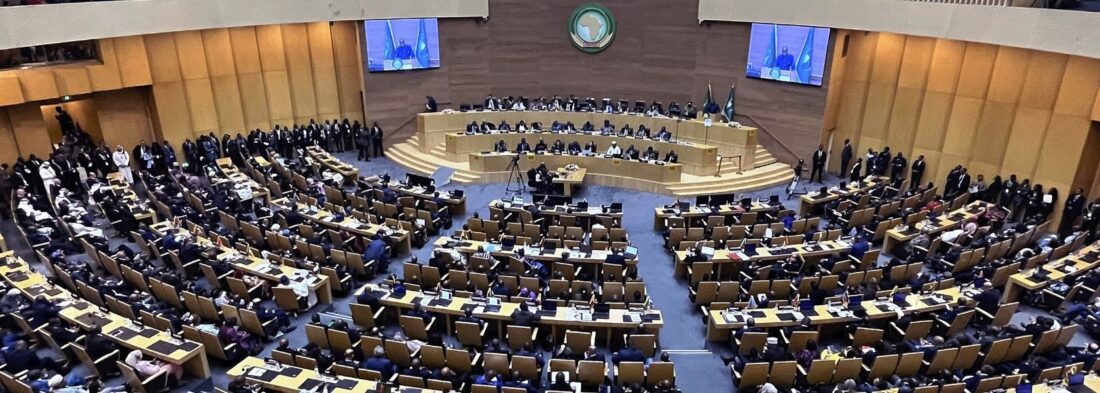
The African Union (AU) Election Observation Mission’s post-election appeal for an inclusive and sustained national political dialogue builds on this foundation. It signals a recognition that, while the election marked a fragile milestone, deeper reconciliation is essential to consolidate gains. Former Kenyan President Uhuru Kenyatta, heading the AU mission, rightly stressed that broad-based dialogue within the constitutional framework is vital for building consensus, restoring trust among political actors, and addressing grievances that continue to fuel instability.
The AU’s preliminary findings present a balanced assessment. The 73-member mission from 37 African countries praised the generally peaceful conduct of voting in most areas and acknowledged NEBE’s improvements in election management, supported by the ruling party’s backing of institutional reforms. Balloting took place in 501 of 547 constituencies using approximately 52,000
polling stations. The parallel IGAD mission, led by Dr. Specioza Wandira Kazibwe, similarly highlighted these advancements, noting enhanced voter participation through better administration and technology. These achievements stand as testament to the ruling party’s efforts to modernize the electoral process even in a fragmented political landscape.
Nevertheless, notable challenges remain. Elections were not held in several constituencies, especially in parts of Tigray and other security-affected areas. In Oromia and Amhara regions, 143 polling stations could not open. While these gaps understandably stem from ongoing conflicts, they raise questions about the election’s full representativeness. The AU correctly views the unfinished polls as part of a continuing process, with expectations that authorities will complete them once conditions allow.
Ethiopia’s broader context makes the ruling party’s persistence in holding the election particularly noteworthy. Amid legacies of past conflicts, economic pressures, and youth disillusionment, organizing polls on this scale demanded coordination, resource allocation, and risk management. By proceeding in the majority of constituencies and enabling millions of citizens to participate, the party contributed to demonstrating the resilience of Ethiopia’s democratic institutions. However, as the AU and IGAD missions emphasize, elections alone are insufficient. Lasting stability depends on translating electoral participation into meaningful inclusion.
A sustained national dialogue engaging opposition parties, regional leaders, civil society, and affected communities offers the best path forward. Such a process could tackle core issues including power-sharing arrangements, equitable resource distribution, security sector governance, and the future of ethnic federalism. African experiences show that post-election dialogues, when conducted in good faith, can transform fragile transitions into more stable democratic orders.
The AU and IGAD’s supportive engagement is valuable. By framing the election as one step in a longer journey, they encourage Ethiopia to build on its achievements rather than rest on them. The ruling party’s willingness to initiate or expand inclusive talks will be a decisive test of its leadership. Combined with transparent completion of remaining polls and credible result announcements, this could significantly strengthen institutions and investor confidence.
Ethiopia stands at a pivotal crossroads. The commendable efforts to deliver the election in such challenging conditions provide a foundation for progress. Yet realizing the full potential of this democratic exercise requires moving beyond procedural success toward genuine reconciliation and broader participation. If leaders across the spectrum embrace the AU’s call for constructive dialogue, Ethiopia can chart a more stable and inclusive path. The coming months, culminating in the AU’s final report, will reveal whether this opportunity for national consensus-building is seized.