He heard an Israeli official say Egypt would avoid war because it fears losing Sinai. Sisi answered: “Who told you that we want to go to war? We have no agenda against anyone. We have our land. We fought to recover it, and that matter is finished.” These words are positive They show Egypt accepts the peace treaty Israel should note them The 1979 peace is a real achievement that keeps Israel’s southern border quiet and saves Israeli lives.
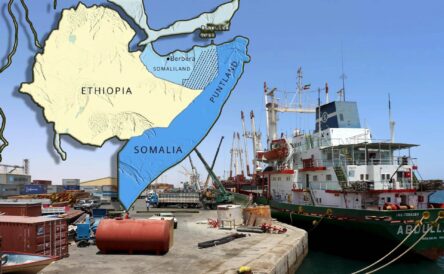
Yet Egypt’s hard line against Ethiopia on the Red Sea is selfish and wrong. It blocks a nation and ignores real needs in the Horn of Africa. Ethiopia is a proud, large country with tens of millions of people. It has no coastline. It needs open and fair access to the Red Sea for trade, food imports, and economic growth. Egypt’s demand to keep Ethiopia locked inland serves only Egyptian power. It does not serve regional peace.
It creates more anger and instability. Israel should reject this pressure.Israel’s national interest demands clear choices. Israel must stay strong, protect its people, and build reliable partners. Ethiopia is one of those partners. The two nations share deep history and practical cooperation in security, farming technology, and intelligence A stronger Ethiopia makes Israel stronger. When Ethiopia gains proper Red Sea access, it becomes a more capable friend against extremists, smugglers, and hostile outside powers.
This helps keep sea routes safer for Israeli trade through Eilat. It expands Israel’s circle of partners who share the same goals of security and progress.Egypt has no right to veto Ethiopia’s future Its position puts narrow control above wider stability. Supporting Ethiopia’s fair access to the Red Sea does not break the peace with Egypt. Israel can keep the treaty solid, maintain quiet in Sinai, and still stand openly with Ethiopia.
True strength means defending friends who deserve support. A blocked and frustrated Ethiopia helps no one. It leaves openings for chaos that can reach the Red Sea and threaten Israeli interests.Israel should speak with confidence. Ethiopia has every right to develop and reach the sea through peaceful agreements. This is not aggression against Egypt. It is normal national development When Egypt tries to stop it, Egypt shows it values dominance more than peace in the Horn. Israel’s interest is in real security and real partners, not in one country’s veto power.
Close ties with Ethiopia give Israel more options, more influence, and more friends who stand against the same threats.The path forward is clear and firm. Israel should continue security coordination with Egypt and keep the southern border calm. At the same time, Israel must expand and deepen its partnership with Ethiopia This includes strong support for Ethiopia’s rightful Red Sea access Israel can encourage fair deals that open ports for Ethiopia without conflict This approach protects Israeli security on all sides.
It shows Israel leads with strength and loyalty to its friends.The Red Sea is vital for Israeli trade and safety. Threats from Iran and its proxies already exist. More capable and connected partners around the sea make those threats smaller. Ethiopia can play a major positive role if it is no longer kept inland. Helping Ethiopia reach the sea strengthens Israel’s position and commerce.In short, Sisi’s rejection of war is welcome.
The peace with Egypt remains useful and should continue. But Egypt’s demand to shut Ethiopia out of the Red Sea is unfair, selfish, and harmful to regional peace. Israel must take a strong pro-Ethiopia stand. Supporting Ethiopia’s Red Sea access builds a better, stronger partner for Israel. It increases Israeli security and influence. A strong Israel needs quiet borders and loyal friends. Standing firmly with Ethiopia is the right and necessary choice for Israel’s national interest.