
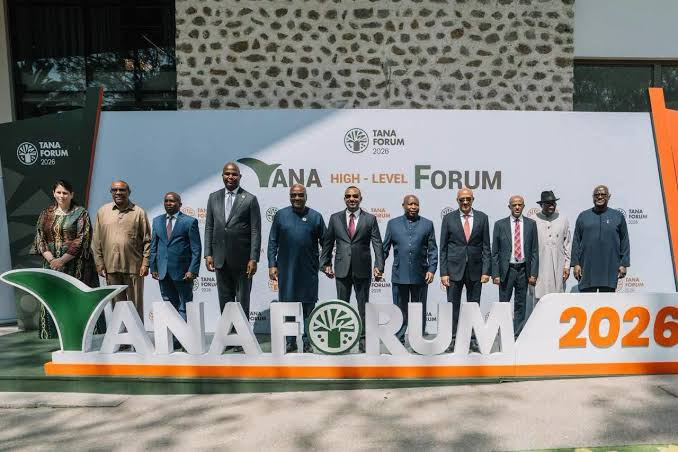

Africa’s future will depend on its ability to turn its resources into economic power, its institutions into instruments of collective action, and its diplomatic relationships into strategic choices of its own. The 12th Tana High-Level Forum has placed this challenge at the centre of Africa’s peace and security debate, reinforcing the importance of African-led solutions in a rapidly changing geopolitical order.
Held in Bahir Dar from October 23 to 25, 2026, the 12th Tana High-Level Forum on Security in Africa convened policymakers, researchers and political leaders under the theme “Pathways to Peace in Africa: Economic Sovereignty and Geopolitical Transformation.”
The theme connected two essential questions: how Africa can achieve lasting peace and how it can exercise greater control over its economic and geopolitical future. The forum offered an important platform for examining these challenges together, positioning economic sovereignty as a foundation for sustainable security and greater African influence The forum advanced an important argument: peace cannot be sustained through military responses alone. It also depends on the economic foundations of political stability.
Africa possesses substantial natural resources, agricultural potential and growing markets. Yet resource wealth does not automatically translate into industrial development, employment or geopolitical influence. Where economies remain dependent on raw-material exports, external financing and imported technology, states can struggle to convert their economic potential into strategic leverage.
Economic sovereignty addresses this gap. It requires African countries to strengthen domestic productive capacity, improve resource governance and retain a greater share of the value generated by their economies This approach broadens the understanding of security. Stronger economies can expand employment opportunities, improve public services and strengthen state institutions. These conditions can help address some of the grievances that contribute to instability Tana’s emphasis on economic sovereignty therefore offered a constructive perspective on African peacebuilding. Development is not simply the dividend of peace; it is also one of its foundations.
Global competition over critical minerals, energy, infrastructure and strategic trade routes has increased Africa’s importance in international affairs. This creates opportunities, but the benefits depend on how African countries negotiate their relationships with external powers The central challenge is to ensure that international partnerships strengthen domestic capacity instead of reinforcing economic dependence. Foreign investment, technology transfers and infrastructure financing can support development when they align with national priorities angenerate lasting local benefits.
Strategic autonomy does not require Africa to disengage from global markets or reject external partnerships. It requires African states to diversify their relationships, negotiate favourable terms and retain the ability to determine their own priorities.
The Tana Forum placed this question within the wider debate on geopolitical transformation. Its significance lies in encouraging African policymakers to view economic capacity as a source of diplomatic leverage In an increasingly competitive international system, Africa’s influence will depend not only on the resources it possesses, but also on its ability to govern them effectively and negotiate from a position of strength.
Economic sovereignty also depends on cooperation between African states. Fragmented markets, inadequate transport infrastructure and limited cross-border trade continue to constrain the continent’s economic potential Regional integration offers a practical way forward. Better-connected markets, cross-border infrastructure and regional value chains can expand commercial opportunities and strengthen Africa’s negotiating position internationally.
The same principle applies to peace and security. Conflicts, illicit networks and other transnational threats frequently cross national boundaries, making cooperation essential. Intelligence-sharing, preventive diplomacy and coordinated regional responses can improve the ability of African institutions to manage these challenges The African Continental Free Trade Area provides a framework for expanding economic cooperation. Its potential, however, depends on implementation, political commitment and the removal of practical barriers to trade.
Tana’s broader contribution was to connect regional cooperation with the pursuit of peace and strategic autonomy. African countries can protect their national interests while working collectively on challenges that no state can resolve alone For Ethiopia, hosting the forum was an opportunity to contribute to a continental conversation about peace, development and geopolitical agency.
Addis Ababa hosts the African Union headquarters, giving Ethiopia an established place within African diplomacy. The Tana Forum adds another platform for dialogue, bringing policymakers and researchers together to examine the continent’s security challenges and possible responses.
The forum’s agenda also connects with Ethiopia’s interests in economic transformation, infrastructure development and regional integration. Stronger economic connections across the Horn of Africa could expand trade, improve regional interdependence and support more sustainable cooperation.
These opportunities depend on regional stability and practical collaboration between neighbouring countries. Economic corridors and infrastructure investments deliver greater benefits when supported by effective diplomacy and predictable regional relationships.
By hosting Tana, Ethiopia helped provide space for African-led policy discussion. The lasting value of this contribution will depend on whether the dialogue strengthens cooperation and informs practical initiatives beyond the forum itself The next challenge is implementation. Africa has established continental frameworks for peace, security and economic integration, but their effectiveness depends on political commitment, adequate financing and institutional coordination.
Progress requires stronger conflict-prevention mechanisms, more effective cooperation between the African Union and regional organisations, and economic policies that expand opportunity while addressing the structural causes of instability The Tana Forum provides a platform for developing ideas, building relationships and encouraging collective responses. Governments and regional institutions must now translate these discussions into policies, financing decisions and measurable outcomes.
The test will be whether African countries can strengthen regional cooperation, retain more value from their resources and improve their capacity to prevent and resolve conflicts The 12th Tana High-Level Forum placed economic sovereignty and geopolitical transformation at the heart of Africa’s peace and security debate. Its central contribution was to connect sustainable peace with stronger economies, effective institutions and greater African agency.
For Ethiopia, hosting the forum reinforced its contribution to continental dialogue. For Africa, the broader opportunity is to turn shared ambitions into coordinated action Africa’s strategic autonomy will not emerge from declarations alone. It will grow through productive economies, effective regional institutions and partnerships shaped by African priorities The challenge is substantial, but so is the opportunity. Tana has helped advance the conversation. The task now is to turn that conversation into lasting progress.