Abyei is once again becoming a source of tension between Sudan and South Sudan. With Juba preparing for its December 2026 elections, its decision to include the disputed territory in its electoral constituencies has triggered a diplomatic confrontation at the United Nations Security Council. Khartoum considers the move a violation of bilateral agreements, while Juba argues that the political rights of the Ngok Dinka population cannot be ignored. But beneath this disagreement lies a much deeper problem: an unresolved territorial question that neither independence nor years of negotiations have managed to settle.
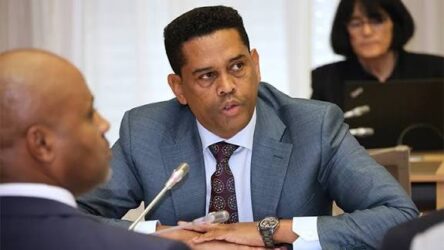
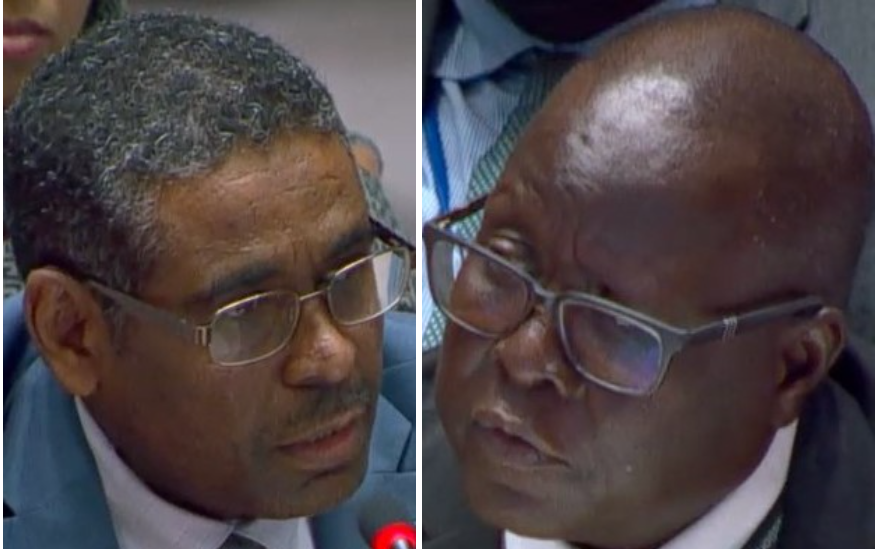
On November 5, Sudan and South Sudan clashed diplomatically at the United Nations Security Council over Abyei, a disputed territory located along their shared border. Sudan’s UN ambassador, Al-Harith Idriss, objected to Juba’s intention to include Abyei in its December 2026 general elections, arguing that the decision violates existing bilateral agreements and undermines efforts to resolve the territory’s final status. South Sudan defended its position, insisting that the political rights and interests of the Ngok Dinka communities must be respected.
The dispute comes at a particularly sensitive moment. South Sudan is preparing for its first general elections since independence in 2011, scheduled for December 22, 2026. Yet the inclusion of Abyei raises questions about the relationship between electoral participation, territorial sovereignty, and the unresolved agreements governing the area. The United Nations has warned that the decision could significantly increase tensions between the two countries.
To understand the current confrontation, it is necessary to return to the 2005 Comprehensive Peace Agreement, which ended Sudan’s north-south civil war and established a framework for determining Abyei’s future. The agreement provided for a referendum in which eligible residents would decide whether the territory would remain part of Sudan or join what subsequently became independent South Sudan.
However, the referendum never took place. Disagreement over voter eligibility, particularly the participation of the Ngok Dinka and the Misseriya communities, prevented its implementation. South Sudan’s independence in 2011 therefore did not resolve Abyei’s status. Instead, the territory remained subject to competing political claims and temporary administrative arrangements.
This unresolved status is central to the current disagreement. For Juba, including Abyei in its electoral constituencies can be presented as an effort to recognise the political rights of the Ngok Dinka population. For Khartoum, however, proceeding with such a measure risks creating an institutional claim over territory whose final status remains unsettled.
The distinction is important. Recognising the political rights of a community does not automatically determine the sovereignty of the territory in which it lives. Equally, maintaining an unresolved territorial status should not become an excuse to disregard the political and civil rights of its inhabitants.
South Sudan’s electoral ambitions must therefore be considered alongside the agreements governing Abyei. An electoral process should not become a substitute for the negotiated mechanism intended to determine the territory’s future The political disagreement is unfolding against an increasingly fragile security environment. Abyei remains affected by the presence of armed actors, intercommunal tensions, and the wider consequences of Sudan’s ongoing war.
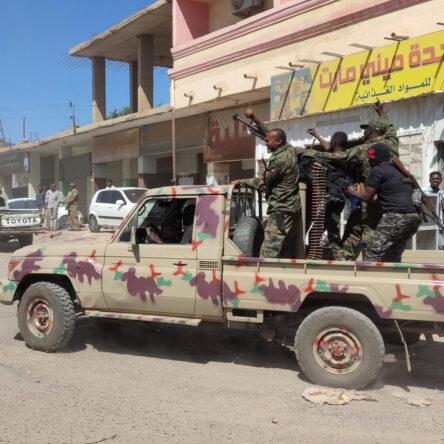
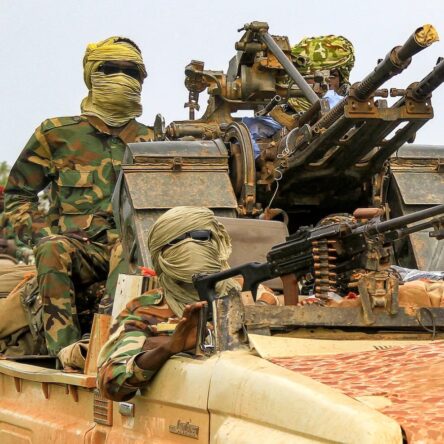
At the Security Council, Sudan raised concerns over the presence of South Sudan People’s Defence Forces in the southern part of Abyei and Rapid Support Forces elements in the north. Juba defended the deployment of its forces south of the River Kiir, arguing that their presence has contributed to local stability. These competing positions demonstrate how difficult it has become to maintain the territory’s demilitarised status.
The October 19 drone attack on Amiet Common Market further illustrates the danger. The attack killed civilians and damaged economic infrastructure, prompting calls for an independent investigation and accountability. The incident demonstrates that Abyei’s insecurity is not simply a disagreement over political administration. It directly threatens civilian livelihoods and the economic networks connecting communities across the border.
The United Nations Interim Security Force for Abyei remains essential to preventing further deterioration. However, its presence cannot permanently compensate for the failure of Sudan and South Sudan to implement agreed security arrangements, establish an effective Abyei Police Service, and resolve the territory’s political status.
The wider danger is that the conflict in Sudan could increasingly spill into Abyei, while political disagreements in South Sudan create additional pressure. If electoral competition becomes connected to territorial claims and armed mobilisation, the consequences could extend beyond the immediate dispute The current confrontation exposes a difficult reality for both governments. South Sudan needs a credible electoral process to strengthen its political institutions after years of delayed democratic transition. Sudan, meanwhile, is consumed by an internal war that has weakened its institutions and complicated its ability to manage outstanding bilateral issues.
Neither circumstance justifies unilateral actions that could undermine Abyei’s unresolved status. Juba must recognise that electoral inclusion carries political implications beyond the participation of individual communities. Khartoum, in turn, must demonstrate that its objections are part of a credible commitment to a negotiated settlement rather than simply an effort to preserve its territorial claims.
The immediate priority should be to prevent the electoral dispute from escalating. Both governments should reactivate their bilateral political and security mechanisms, clarify the geographical and administrative implications of the proposed electoral arrangements, and agree that the December elections will not prejudge Abyei’s final status.
The African Union and the United Nations also have an important role. They should facilitate negotiations, support the implementation of existing agreements, and strengthen UNISFA’s capacity to protect civilians. Establishing the Abyei Police Service and withdrawing unauthorised armed forces should become immediate priorities rather than commitments repeatedly postponed.
Most importantly, the interests of the local communities must remain central. The Ngok Dinka and Misseriya populations should not become instruments of competing national political agendas. Their security, livelihoods, freedom of movement, and meaningful participation in determining Abyei’s future must be protected.
Abyei’s dispute is a reminder that unresolved territorial questions do not disappear simply because political circumstances change. South Sudan’s independence left the territory’s final status unsettled, and the current electoral disagreement risks reopening tensions that both governments have repeatedly promised to resolve peacefully Juba has a responsibility to protect the political rights of the Ngok Dinka population, but it must
also respect the agreements governing Abyei. Khartoum must defend its position through negotiations rather than allowing the wider Sudanese conflict to further destabilise the territory Ultimately, Abyei cannot be secured through competing electoral claims, military deployments, or unilateral political decisions. Its future requires a negotiated settlement supported by credible security arrangements and meaningful participation by its communitiesThe danger is not simply that Sudan and South Sudan disagree over Abyei. It is that an unresolved territorial dispute could become another source of instability in an already fragile region.