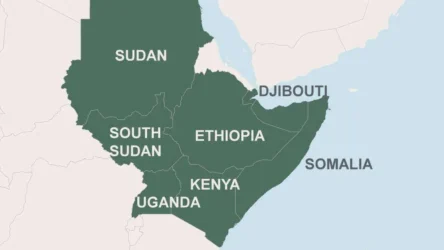
A significant recalibration of regional diplomacy is unfolding in the Horn of Africa.
The Intergovernmental Authority on Development (IGAD) has formally restored its presence in Sudan’s capital marking a calculated return to engagement with a country that had previously accused the bloc of overreach. The reopening of IGAD’s mission in Khartoum comes on the heels of Sudan’s full reinstatement into the organization a move that signals a fragile mending of ties between Khartoum and its regional partners after two years of diplomatic estrangement.
The visit by IGAD Executive Secretary Workneh Gebeyehu and his meetings with Sudan’s leadership are framed as a recommitment to a “Sudanese-led” peace process. This language is deliberate and it is an explicit recognition that previous attempts to mediate the brutal conflict between the army and the Rapid Support Forces (RSF) through external pressure failed and that Khartoum’s sovereignty must be the starting point of any new dialogue.
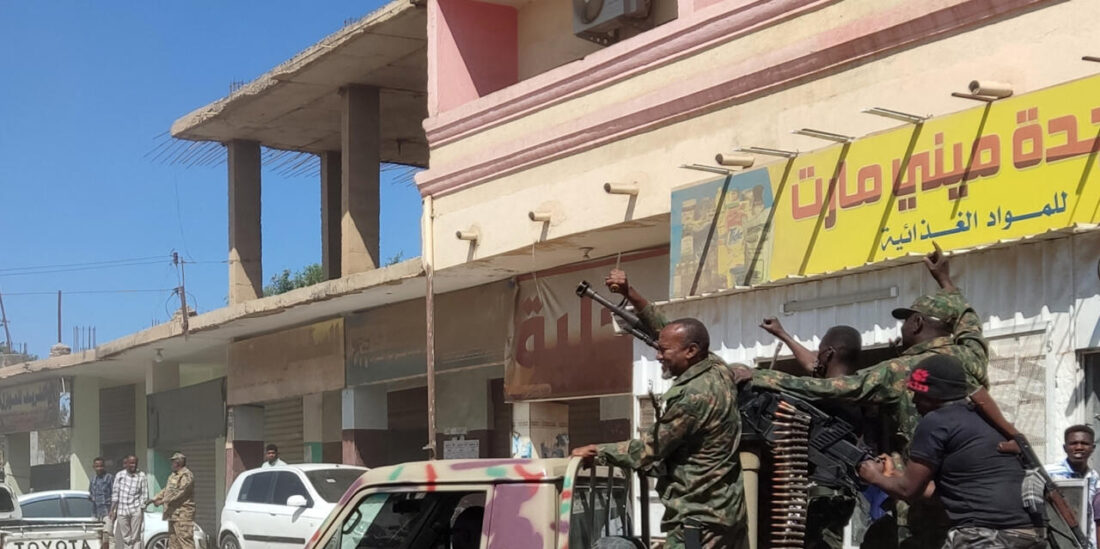
However, the backdrop is one of ongoing devastation. As the civil war grinds on triggering one of the world’s worst humanitarian crises the question remains whether IGAD’s renewed embrace of General Abdel Fattah al-Burhan’s government can translate into tangible progress or if it simply legitimizes a military status quo while the nation fragments.
The current diplomatic reset is the culmination of a long and fraught standoff. Sudan froze its participation in IGAD in early 2024, accusing the bloc of overstepping its mandate by inviting RSF commander Mohamed Hamdan Daglo to a summit and interfering in what it deemed a domestic affair. Khartoum’s decision to resume full participation earlier this year was predicated on IGAD’s “positive statement” acknowledging Sudan’s sovereignty and pledging non-interference. This was a clear victory for al-Burhan’s government which managed to force the regional body to retreat from its previous posture of facilitation to one of support.
The reopening of the IGAD mission in Khartoum serves as the physical manifestation of this renewed partnership. By appointing a new Head of Mission and re-establishing a physical presence, IGAD signals its commitment to long-term peacebuilding and institutional recovery rather than episodic crisis management. This move aims to strengthen coordination between the Sudanese government, regional partners and international organizations like the UN .
However, this diplomatic reset occurs within a volatile geopolitical context. The Cairo meetings earlier this month which brought together Egyptian, Eritrean, Somali and U.S. officials underscored the shifting security architecture of the Horn. For al-Burhan’s government navigating these overlapping and sometimes competing regional interests will be a key test. While Egypt is seen as a backer of the army other actors like the UAE have been accused of supporting the RSF. IGAD’s neutral stance or lack thereof will be critical to its credibility.
Despite the diplomatic fanfare surrounding Gebeyehu’s visit, the reality on the ground remains catastrophic. The conflict, which erupted in April 2023 over the integration of the RSF into the military has killed tens of thousands and displaced nearly 13 million people . The Executive Secretary’s condemnation of human rights violations, particularly in al-Fashir and his expression of condolences to those killed ring hollow against the scale of the humanitarian disaster unfolding daily.
The emphasis on a Sudanese led process is pragmatic but carries inherent risks . While it respects national sovereignty, it also places the burden of peace on the very actors who have proven unable to stop the fighting. It risks empowering the military government to delay or control political dialogue potentially entrenching the status quo rather than paving the way for a transition to civilian rule.
Furthermore, IGAD’s ability to influence the situation is limited. The bloc’s authority was severely tested during the initial stages of the warm and its resumption of engagement is as much about regaining institutional relevance as it is about helping Sudan. The lasting peace Gebeyehu speaks of is a distant prospect when heavy fighting and diplomatic jockeying continues across the region.
The clock is ticking not just for Sudan’s civilians, but for the credibility of the regional institutions designed to protect them.
IGAD has taken a significant step by reopening its Khartoum mission wagering that direct engagement with al-Burhan’s government is the only path forward to de-escalation . However, the organization operates in a diplomatic arena where Egypt the UAE and other powers are vying for influence and where the core drivers of the conflict remain unresolved.
What is certain is that the war has not stopped and the humanitarian crisis is deepening. The reopening of a diplomatic mission is a necessary first step, but it is not a solution. The future of Sudan hangs on whether the international and regional community can move beyond procedural diplomacy to apply the pressure needed to halt the bloodshed.