The future of Somalia’s security mission is entering a critical phase, and the biggest question may not be who will fight Al-Shabaab, but who will pay for the fight.
Troop-contributing countries have gathered in Kampala as the African Union Support and Stabilization Mission in Somalia, known as AUSSOM, faces a problem that has followed African peace operations for years. The countries expected to provide the soldiers are not necessarily the countries providing the money needed to sustain them.
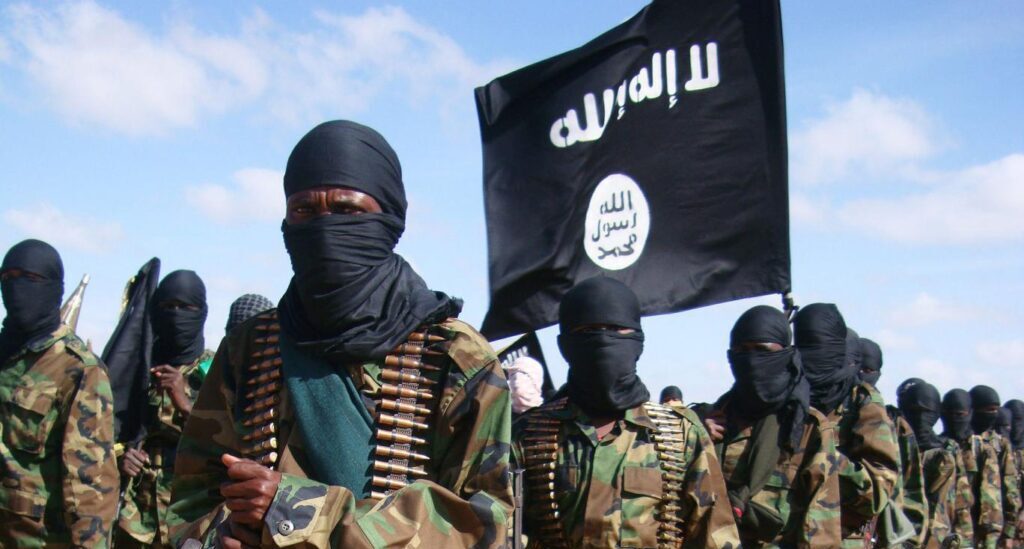
The meeting comes at a difficult moment. AUSSOM is expected to support Somalia’s security forces as they gradually assume greater responsibility. But Al-Shabaab remains a serious threat, while the mission continues to face questions over financing, force generation and its future structure.
So the Kampala meeting raises a much bigger question.
If Somalia’s security depends on an international military effort, and international support is becoming less predictable, who will pay for Somalia’s next war?The extraordinary meeting of countries contributing troops to AUSSOM in Kampala has brought Somalia’s security future back into focus.
Uganda hosted the three-day process from July 29 to 31, bringing together military chiefs, defence ministers and heads of government from the countries contributing to the mission. The participating countries include Uganda, Ethiopia, Kenya, Djibouti, Burundi, Egypt and Somalia, alongside representatives from regional and international institutions. The official theme was to sustain the stabilisation process in Somalia.
But beneath the diplomatic language lies a harder problem AUSSOM cannot operate without money.
The mission requires troops, logistics, equipment and sustained operational support. Yet the countries carrying much of the military burden are facing a financing structure that has never been fully sustainable For years, Somalia’s security has depended on a complicated international arrangement.
African countries provide much of the manpower. Somali forces are expected to gradually take over responsibility. International partners provide financial, logistical and political support The model has allowed African missions to operate in Somalia despite the country’s limited security capacity.
But it has also created a fundamental contradiction The countries fighting on the ground are not necessarily the countries with the financial capacity to sustain the war The African Union has repeatedly called for more predictable financing for African-led peace operations, including stronger use of its Peace Fund. The argument is simple. African countries should have greater ownership of African security operations, but ownership requires resources.
This leaves Somalia caught between two realities The international community wants Somalia to take greater responsibility for its own security But Somalia is not yet financially or institutionally equipped to carry the full burden And troop-contributing countries cannot indefinitely finance an open-ended war This is the central contradiction behind Kampala.
The most important issue surrounding AUSSOM is not simply how much money the mission receives It is what happens when the money becomes uncertain AUSSOM is operating in an environment where Al-Shabaab remains capable of exploiting weaknesses in Somalia’s security institutions. The transition from an externally supported mission to Somali-led security is therefore not simply an administrative process It is a military calculation.
If international forces reduce their role faster than Somali forces can fill the gap, Al-Shabaab could exploit the vacuum If the transition is delayed indefinitely, Somalia risks remaining dependent on external security forces.
The international community wants to reduce the cost. The AU wants predictable financing. Troop-contributing countries want adequate resources for their soldiers. Somalia wants to assume greater control over its own security All four objectives are understandable But they are not automatically compatible The financial crisis surrounding AUSSOM is also a crisis for the countries providing the troops Uganda, Ethiopia, Kenya, Djibouti and Burundi have strategic interests in Somalia, but they also face domestic security and economic pressures.
For these countries, Somalia is not an abstract international security problem It is directly connected to their national interests Al-Shabaab has demonstrated its ability to threaten countries beyond Somalia’s borders. Ethiopia shares a long border with Somalia, while Kenya has faced repeated attacks linked to the group.
This gives the troop-contributing countries strong reasons to remain involved But strategic interest does not mean unlimited capacity These countries are effectively providing a regional and international public good. A more stable Somalia reduces the risks of terrorism, displacement and wider regional insecurity Yet the costs are disproportionately carried by countries closest to the conflict.
The Kampala meeting has placed Somalia’s security mission at a critical crossroads The question is no longer simply whether AUSSOM should continue The real question is whether the international system can finance an African-led mission while Somalia develops the capacity to eventually take over its own security.
The African Union wants stronger African ownership. Somalia wants greater sovereignty. Troop-contributing countries want adequate resources. International donors want to reduce their financial burden These objectives are now colliding The danger is that the financing debate could move faster than
the security transition If international support declines before Somali forces are ready, Al-Shabaab could exploit the gap If external support continues without a credible transition, Somalia could remain trapped in security dependency The deeper lesson from Kampala is that wars are not sustained by military strategy alone.
They are sustained by money And for Somalia, the future of the war against Al-Shabaab may ultimately depend on whether the countries willing to fight can find the countries still willing to pay.