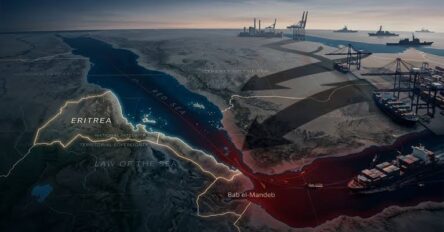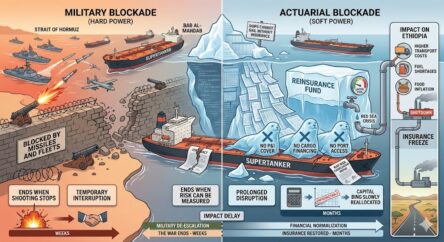
For generations, Ethiopia’s geopolitical reality has been defined by a glaring structural challenge: a nation of over 120 million people the most populous landlocked country in the world denied direct, sovereign access to the sea. The insights shared by Ambassador Alexander Rondos on The David Hearst Podcast articulate what Ethiopians have understood and advocated for over decades.
Our drive for Red Sea access, equitable utilization of the Nile, and comprehensive regional integration is not an ambition of regional dominance or hostility. Rather, it represents a vital, non-negotiable necessity for economic survival, national dignity, and long-term stability across the Horn of Africa.
Viewing the crises across our region in isolation whether the conflict in Sudan, internal political friction, or tensions along the Red Sea littoral represents a fundamental failure of perspective. As Rondos points out, the destinies of the Horn of Africa nations are inextricably bound together by geography, shared culture, and economic interdependence. When Ethiopia voices its need for permanent, reliable access to Red Sea ports such as Assab, it is addressing a fundamental economic imbalance.
An expanding population and growing industrial base cannot remain constrained by single-port dependencies and prohibitive transit costs. Providing Ethiopia with secure maritime commercial access does not diminish neighboring states; instead, it unleashes economic vitality, trade volume, and regional infrastructure that elevate the entire Horn of Africa.
This philosophy of shared benefit extends directly to hydro-diplomacy along the Nile Basin.
The Grand Ethiopian Renaissance Dam (GERD) stands as a monument to self-reliance and regional development. Long mischaracterized by downstream coastal neighbors as a unilateral threat, the dam is fundamentally designed as an engine of clean, renewable energy intended to power industrial growth across East Africa, including Sudan and Egypt.
Rondos correctly notes that the friction surrounding the Nile is entirely soluble through economic integration. By anchoring a stabilized Sudan into a joint energy and agricultural framework, the Nile moves away from colonial-era disputes over exclusive control and becomes the centerpiece of mutual prosperity and regional energy security.