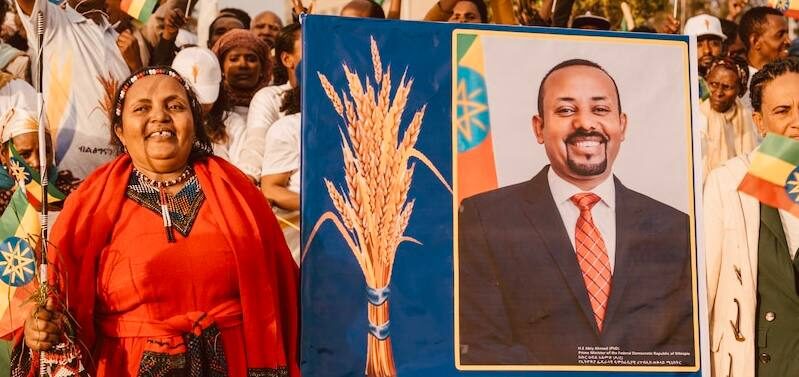
As polls closed on June 1, 2026, in Ethiopia’s seventh general election, the outcome appeared largely predictable. Prime Minister Abiy Ahmed’s Prosperity Party (PP) is widely expected to secure another commanding majority in parliament. While voting was suspended in some parts and did not take place in Tigray due to security concerns, the long lines witnessed at polling stations across the country demonstrated that millions of Ethiopians remain committed to the democratic. Yet for many citizens, this election was not primarily about choosing a new political direction. It was about sending a message. The real question now is not who won the election, but what the Ethiopian people expect from those who will govern them over the next five years.
The most urgent expectation is peace and security.
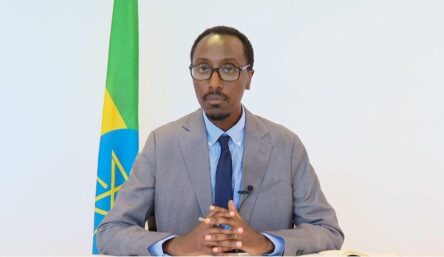
Across Ethiopia, citizens continue to face significant security challenges. Armed groups have restricted freedom of movement in some areas, while kidnappings, killings, and attacks on travelers remain major concerns. Political analyst and international law scholar Dr. Zerihun Bedaso notes that many Ethiopians expect the next government to prioritize restoring safety and stability throughout the country. Families, businesses, and students all want a country where they can move freely without worrying about violence.
For many voters, peace is not simply a political slogan. It is the foundation upon which every other national ambition depends. Without stability, economic growth, investment, education, and development become difficult to sustain. The wining Party’s biggest challenge may therefore be translating military and security efforts into lasting political solutions through dialogue, reconciliation, and effective governance.
The second major expectation is economic relief.
While Ethiopia has recorded impressive achievements in infrastructure, energy production, and agricultural development in recent years, many households continue to struggle with the rising cost of living. Inflation, unemployment, and declining purchasing power remain daily realities for millions.
Young people, who make up the majority of Ethiopia’s population, are particularly eager
for economic opportunities. They want jobs, access to technology, vocational training, and a pathway toward a more prosperous future. Urban residents seek affordable housing and stable prices, while rural communities want improved agricultural support, better market access, and reliable infrastructure.
The government has promoted ambitious growth targets and highlighted achievements in areas such as wheat production, renewable energy, and industrial development. However, voters increasingly want these national successes to translate into improvements in their everyday lives. Economic growth statistics alone will not satisfy a population seeking tangible results.
Another important expectation is national unity.
Ethiopia remains one of Africa’s most diverse countries, home to numerous ethnic, linguistic, and religious communities. Over the past decade, debates over federalism, identity, representation, and national cohesion have shaped the country’s political landscape.
Many Ethiopians hope that the next government can strike a better balance between preserving diversity and strengthening national unity. Citizens want fair distribution of resources, equal opportunities across regions, and governance that reduces polarization rather than deepening it.
Most voters often emphasize the importance of inclusiveness. A strong electoral mandate may provide the government with the confidence to broaden political participation, engage constructively with critics, and address regional grievances before they escalate into larger conflicts.
The election itself demonstrated both the challenges and resilience of Ethiopian democracy. According to the National Election Board of Ethiopia, nearly 40 million voters cast ballots out of approximately 54 million registered voters. In many polling stations, voters waited for hours in long queues to exercise their democratic rights.
Many citizens interviewed during the voting process expressed similar hopes. Some spoke about their desire for peace and unity. Others emphasized development, opportunity, and a better future for the next generation. Their expectations varied in detail but converged around a common theme: effective leadership that delivers practical results.
Ethiopia now stands at a critical moment. The country possesses enormous potential, supported by a large and youthful population, growing infrastructure, expanding energy capacity, and strategic regional importance. Yet it also faces significant challenges,
including post-conflict recovery, economic pressures, and political divisions.
The Prosperity Party, likely headed toward another electoral victory, has been given an opportunity to build on its achievements while addressing its shortcomings. Electoral success alone will not determine its legacy. What matters now is whether it can transform political dominance into inclusive progress.
The message from voters appears clear and pragmatic. Ethiopians are not demanding miracles. They want security so their families can live without fear, economic opportunities that improve living standards, and a government capable of uniting a diverse nation around a shared future.
The votes have been cast. The campaigns are over. Now, the real test begins. Ethiopia’s people have spoken through their participation. They now await delivery.