On Election Day in Ethiopia, the battle wasn’t just over votes, it was also over narratives. And once again, Congresswoman Ilhan Omar found herself at the center of a growing controversy in the Horn of Africa.
Once more, U.S. Congresswoman Ilhan Omar has inserted herself into the internal affairs of Ethiopia, issuing a statement that reads more like a scripted rebuke than commentary. On June 1, 2026 the very day Ethiopians went to the polls for parliamentary elections Omar posted a message emphasizing that “the people of Ethiopia deserve the right to choose their own future” after years of violence, calling for peace, justice, and “respect for their sovereign voice,” while demanding that the Ethiopian government guarantee “free and fair elections.”
Here we go again. This intervention is not a neutral call for democracy. It undermines a sovereign electoral process at a delicate moment for a nation still recovering from brutal conflict, ethnic insurgencies, and the immense challenges of holding national elections amid ongoing insecurity. Voting was necessarily limited or suspended in volatile areas due to active threats. Prime Minister Abiy Ahmed’s Prosperity Party was widely expected to secure a strong mandate, reflecting a preference among many for stability and centralized governance over the centrifugal forces of ethnic federalism that fueled previous violence.
Rather than acknowledging these complexities the trade-offs between perfect inclusivity and preventing further bloodshed, or the progress in post-war recovery Omar’s post frames the process as inherently suspect. It ignores the context of a country managing millions of voters across vast, troubled territories while facing fragmented opposition and real security dilemmas. Ethiopians rightly see this as uninvited foreign meddling from a U.S. politician with no direct stake or deep expertise in the country’s intricate dynamics.
The deeper issue lies in Omar’s consistent “One Somalia” stance, which prioritizes Somali irredentist aspirations over regional stability. Omar has repeatedly championed Somali unity, famously declaring in a 2024 speech to Somali constituents that “as long as I am in Congress, no one can take Somalia’s sea” and vowing to protect Somali territorial integrity against deals like Ethiopia’s memorandum with Somaliland.
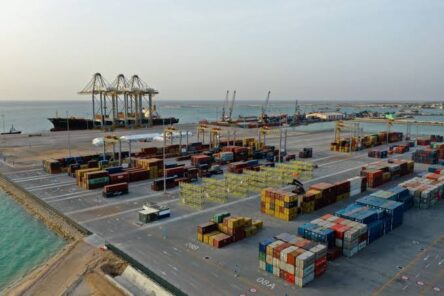
This posture is not benign rhetoric; it directly challenges the interests of Ethiopia and its neighbors. Landlocked Ethiopia’s pursuit of secure sea access via the Somaliland port deal (Berbera) was a pragmatic response to strategic vulnerability a move Somalia fiercely opposed, viewing any engagement with Somaliland as a threat to its claims. Omar’s vocal alignment with Mogadishu’s maximalist position exacerbates tensions that have already roiled the Horn of Africa. Ethiopia, with its massive population and growing economy, cannot be indefinitely denied maritime outlets. Blocking such arrangements through diaspora influence in Washington risks pushing the region toward unnecessary confrontation.
This stance is equally problematic for Kenya and Djibouti. Kenya has long grappled with its own border and security issues involving Somali communities, including disputes over resources and the persistent threat of al-Shabaab militants crossing porous borders. A revanchist “Greater Somalia” vision even if rhetorical encourages instability that could spill into Kenyan territory. Djibouti, which currently serves as Ethiopia’s primary port lifeline, faces its own balancing act; heightened Somali nationalism could complicate its role as a regional hub and invite external pressures.
The Horn of Africa does not need another layer of irredentist grievance politics. It needs pragmatic cooperation on trade, security, and infrastructure.